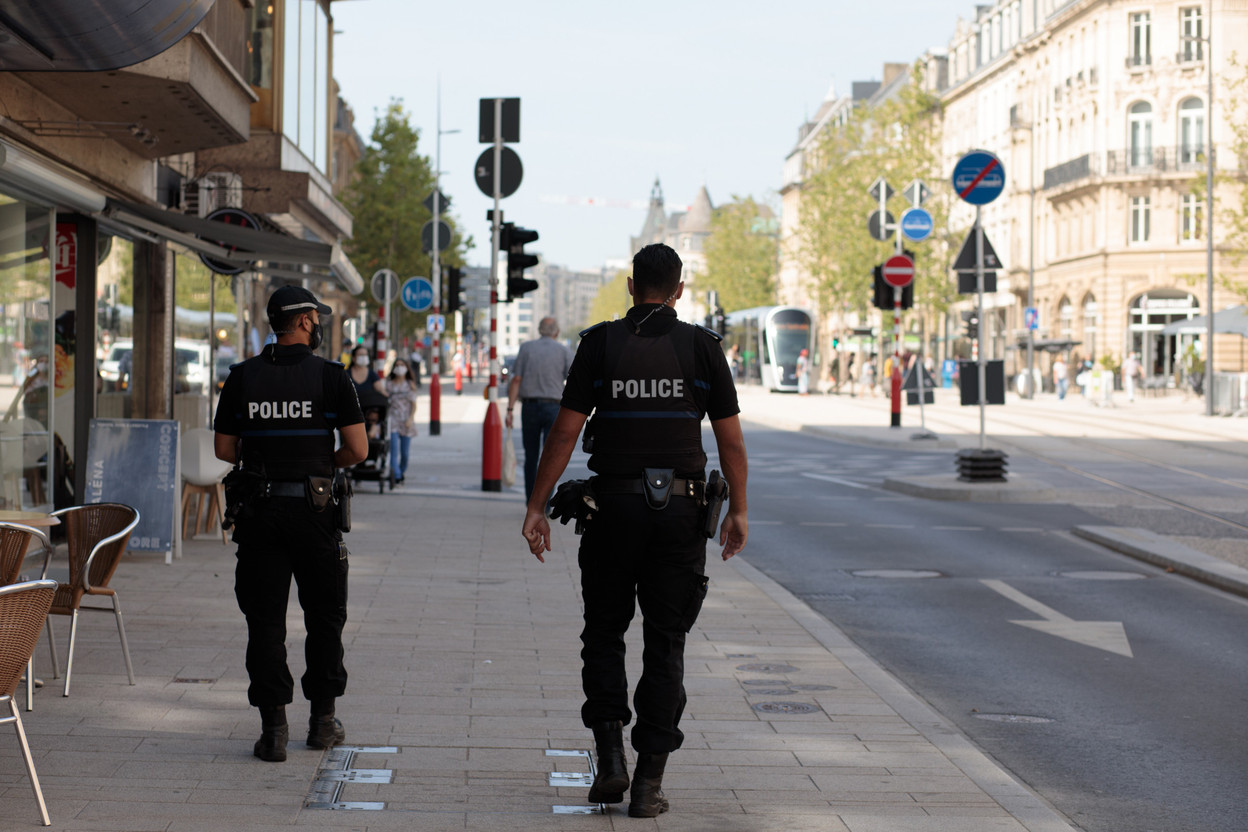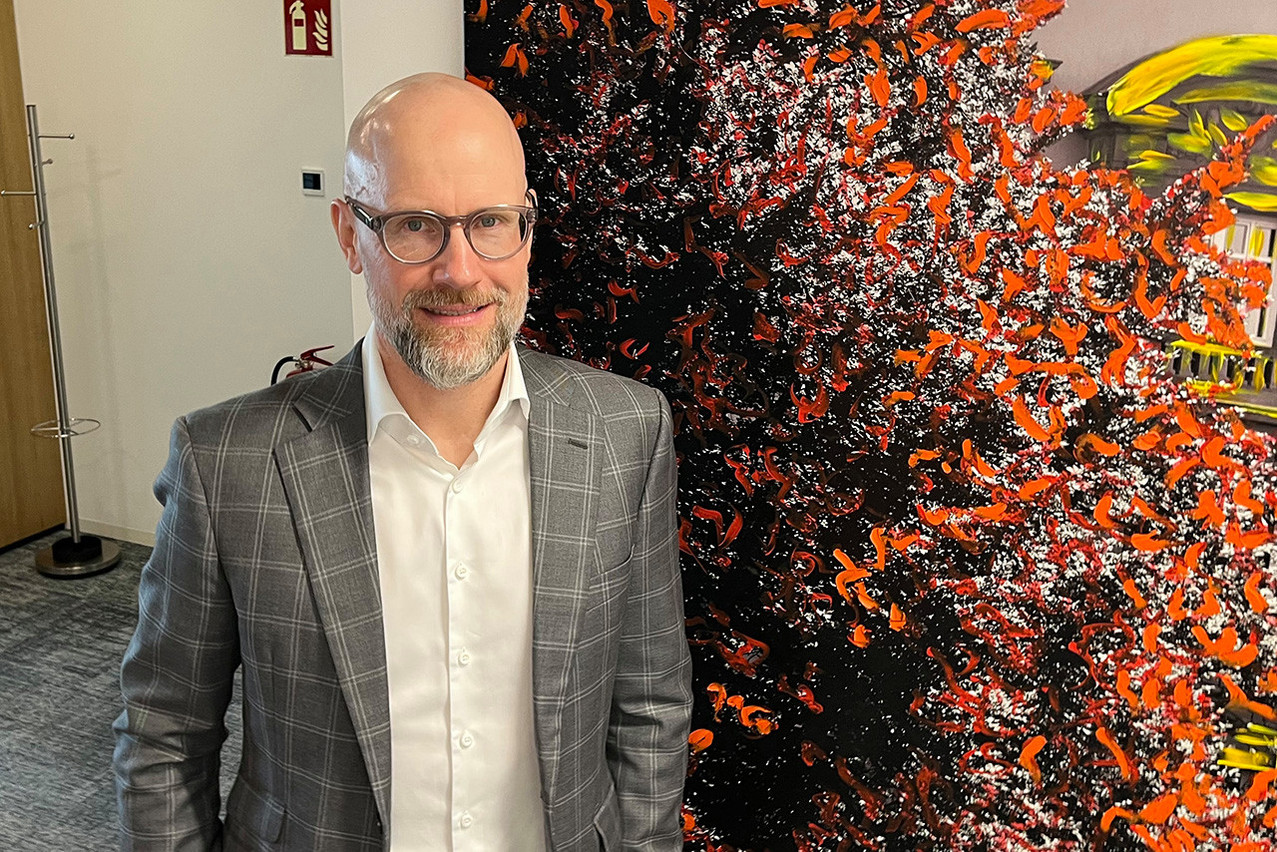
Luxembourg’s communes are being introduced to a planning-led approach to urban safety that focuses less on policing alone than on how public spaces are designed, managed and used. The method was presented in Luxembourg by Swiss urban security specialist Tillmann Schulze, who argued that many problems emerge long before police are called in.
“The city is too complex to just put the security topic in the hands of the police,” Schulze said, arguing that new districts, buildings and public spaces should be designed with safety in mind from the start rather than patched later with patrols, cameras or other visible fixes.
That was the case the ministry of home affairs wanted to put before communes, particularly mayors and the people involved in planning and architectural design. Vania Henry, press relations officer at the ministry, said the aim was to integrate prevention into thinking about future infrastructure, while Arno Munhowen, a former police officer who now serves as the link between the police and the ministry, framed it as an alternative to relying too heavily on patrols, cameras and other enforcement tools. Some municipalities have already shown interest, according to Henry.
Beyond policing
“Most of the challenges in public urban spaces are below criminality,” Schulze said. In his account, the issue in Swiss cities is often less crime in the narrow sense than questions of public order, coexistence and the subjective feeling of safety.
That broader view is rooted in Swiss practice. The 2013 study ‘Sichere Schweizer Städte 2025’, produced with 33 pilot cities, treated security as something wider than policing, covering social, technical and natural risks and offering municipalities practical options for planning ahead.
The study points away from spectacular threats and towards everyday disorder. In Swiss cities, alcohol abuse in public space, vandalism and littering ranked above rarer high-impact events. Schulze described a similar shift in blunt terms: “Twenty years ago, we mostly had alcohol in public spaces. Now we have a lot of crack and cocaine in public spaces.”
Tools, not slogans
For Schulze, the point is not simply to talk more broadly about safety, but to change when and how cities respond. He argued that security can be built into projects through design review, interdisciplinary workshops, mapping exercises and other planning tools rather than being treated as a late compliance exercise.
One slide in Schulze’s Luxembourg presentation referenced DGNB, the German sustainable building certification system. Its assessment framework includes indicators related to safety in the built environment, such as visibility and lighting — an example of how security considerations are increasingly being incorporated into formal planning standards.
Visible interventions may reassure the public and show that authorities are acting, but in his view they address symptoms rather than causes. “Only with the camera, nothing will change,” Schulze said.
Long-term answers, he argued, depend on bringing together policy goals that are usually handled separately. “You have urban planning, you have security, you have climate goals,” he said. “The challenge is to combine them.”
Swiss lessons
For Schulze, Lucerne remains the clearest example of what that integrated approach can look like. He described the city as a success story he has presented internationally, with regular security reports feeding into public-space planning and urban development rather than remaining one-off studies.
Munich, by contrast, stood for the limits of expertise without institutional follow-through. Schulze cited it as a cautionary case where a more holistic effort stalled despite the work and money invested in it.
His advice to Luxembourg’s communes was to build those considerations into projects when new districts, buildings or public spaces are being planned. “Whenever you plan something in your city, please think of safety and security,” Schulze said.
Open, not fortified
Schulze stressed that integrating security into planning does not mean turning cities into fortified environments. Security planning and architectural quality are often assumed to clash, he said, but they do not have to.
“This is not contradictory to creativity, to art, to openness,” he said.
Luxembourg is not, at this stage, importing a ready-made Swiss model. Schulze was clear that he came as an invited expert rather than to work on a national security plan. But the ministry’s interest suggests a more modest ambition: to give communes a preventive vocabulary for thinking about public space before the fallback options become uniforms, cameras and late-stage fixes.