Ruger’s shareholders have thrown the door wide open to Beretta. They offered 6.24 million shares to the Luxembourg-based group, even though the latter was only seeking 2.4 million. However, this strong showing will stop just short of the threshold for a controlling stake. By the time the offer expired on 15 October, 3,589,647 shares had been validly tendered and not withdrawn. A further 2,652,256 shares, tendered under a delivery guarantee, could be added to this total. If all of these are actually delivered, demand will represent 2.6 times the volume sought.
Beretta Holding will repurchase only 2,400,184 shares, at a price of $44.80 each. The group provisionally estimates that each contributing shareholder will be able to sell it approximately 38,45% of the shares offered. This ratio is yet to be confirmed by the custodian. At its maximum, the investment will amount to $107.5 million. Beretta already held 1,587,000 Ruger shares, representing approximately 9,9% of the share capital. The acquisition of the additional shares will increase its holding to 3,987,184 shares, representing 24,95% of the share capital based on the number of shares in issue at the launch of the offer. The proposed price represents a premium of approximately 21% on Ruger’s closing price on 16 September, the day before the offer was launched. It also exceeds the weighted average price over the 60 trading sessions preceding the initial announcement of the plan in March by approximately 20%.
Strategic location
Beyond these figures, Beretta is transforming its position as a minority shareholder into a strategic foothold in the United States. Ruger will remain a listed, independent American company, but its largest shareholder will now have a direct stake in its development and will be able to appoint up to two independent directors.
“This investment marks an important milestone for Beretta Holding,” said Pietro Gussalli Beretta, the group’s chairman and CEO. The deal represents the group’s first investment in a listed company. The CEO intends to strengthen Beretta’s presence in the United States, its primary market, whilst supporting Ruger’s international expansion.
Geographical complementarity lies at the heart of the merger. Ruger has a brand and production facilities based in the United States. Beretta brings an international portfolio of brands, distribution capabilities outside the US market and a presence in firearms, ammunition, optics and equipment for hunting, sport shooting and defence.
The agreement reached between the two groups therefore provides for the exploration of opportunities for collaboration in sales, procurement, supply chains and production. It constitutes neither a merger nor a commitment to integration: the options are yet to be explored and remain non-binding.
Months of confrontation
This collaboration follows several months of confrontation. Having acquired a stake in Ruger in 2025, Beretta had criticised its corporate governance and attempted to put forward four candidates for the board of directors. Ruger had responded with a defence mechanism designed to prevent an unnegotiated increase in its shareholding. The agreement reached in May 2026 brought this battle to an end: Beretta withdrew its candidates and secured the right to increase its stake to 25%.
This influence remains subject to certain conditions. Beretta will be entitled to two directors as long as its shareholding is at least 20%, and to just one if it falls to between 15 per cent and 20%. The representatives must be independent of both groups. The US Federal Trade Commission has also imposed restrictions on any non-public information that may be disclosed to them.
Ruger’s board of directors has neither recommended that shareholders accept nor reject the offer. The agreement permanently caps Beretta’s stake at 25%, sets out the framework for the exercise of its voting rights and imposes a standstill period of approximately three years. Approval had been obtained from the Committee on Foreign Investment in the United States and the antitrust authorities prior to the launch of the offer.
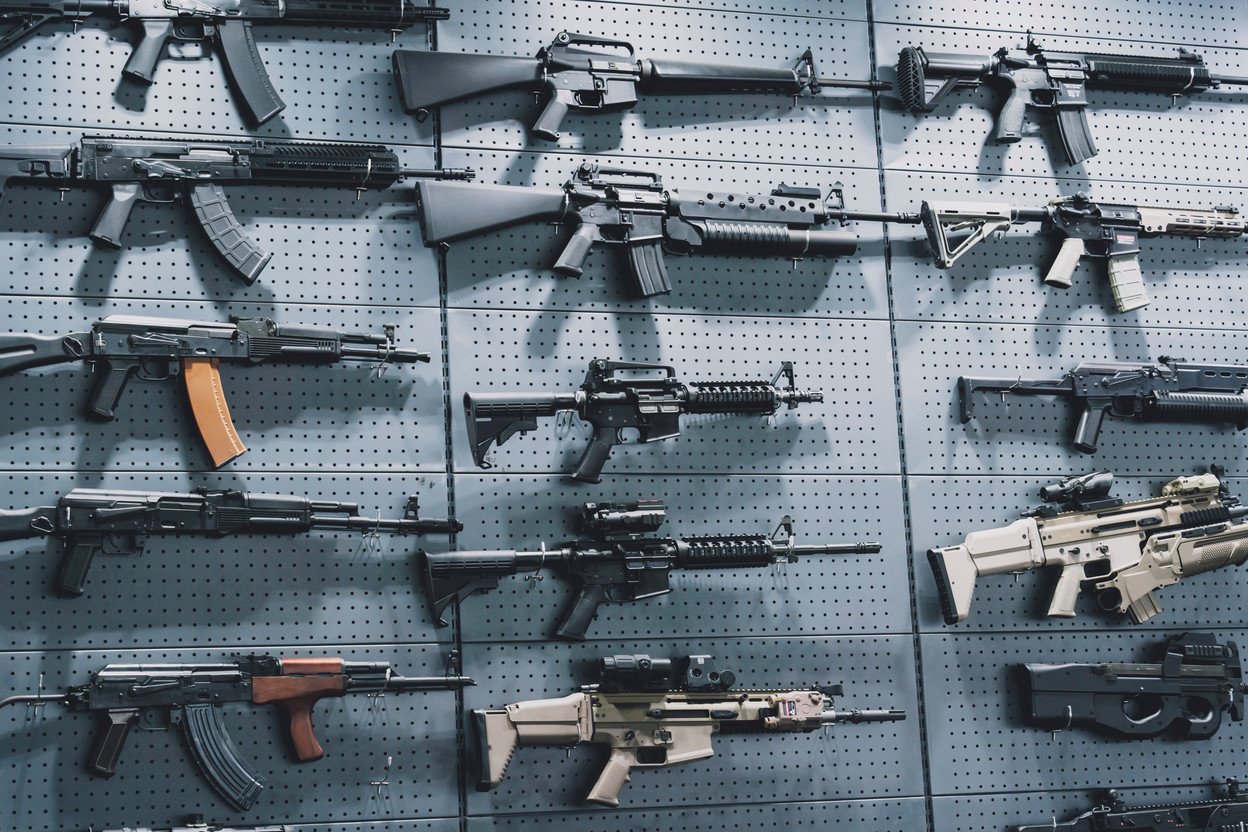
However, this acquisition involves an industry that cannot be separated from the US debate on firearms. Ruger mainly sells pistols, revolvers and rifles to the civilian market, in a country where the right to own and carry a firearm is constitutionally protected, but where the scope and regulation of that right are the subject of ongoing political and legal disputes. This polarisation also poses an economic risk to manufacturers. Ruger itself cites fluctuations in demand, future gun legislation and legal proceedings among its risk factors. A tightening of purchasing conditions could weigh on its sales, whilst expectations of new restrictions may occasionally stimulate purchases.
By acquiring a stake of nearly 25% in Ruger, Beretta is therefore increasing its exposure not only to its group’s primary market, but also to the cycles and controversies specific to the US firearms industry. This aspect sets the deal apart from a simple geographical diversification. For Beretta Holding, the arrangement represents an alternative to a traditional acquisition. The family-owned group gains potential representation on Ruger’s board and access to future collaborations, without incorporating the American company into its consolidated accounts. For its part, Ruger is transforming its most assertive shareholder into an industrial partner, whilst formally retaining its autonomy.
Beretta Holding, headquartered in Luxembourg, comprises more than 50 companies, 20 brands and nearly 6,000 employees. The group reports that it generated turnover of €1.68bn in 2025. This is not a new acquisition: the group is establishing a foothold at the heart of the US firearms market, with sufficient clout to influence Ruger’s strategy, but not enough to make decisions on its own — nor to escape the tensions surrounding this sector in the United States.