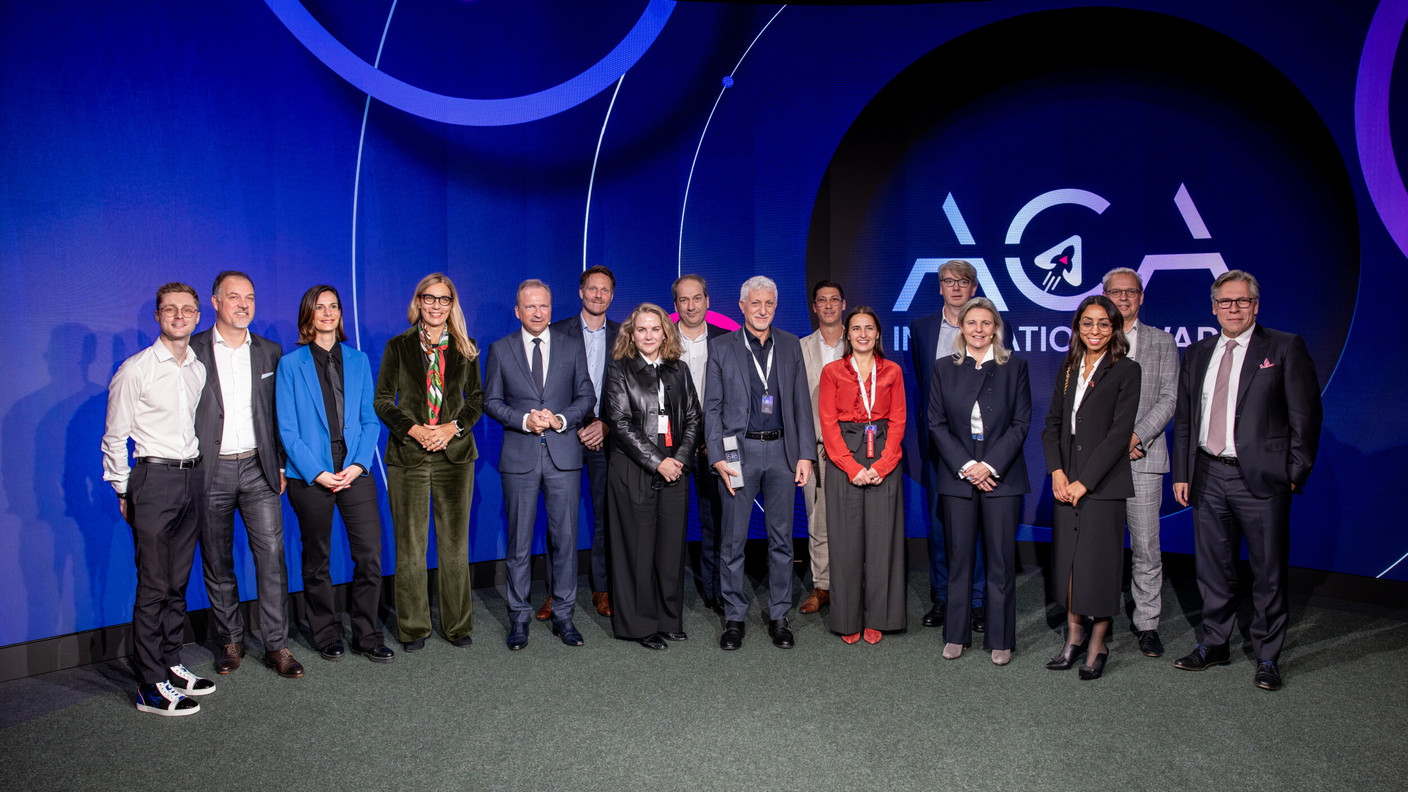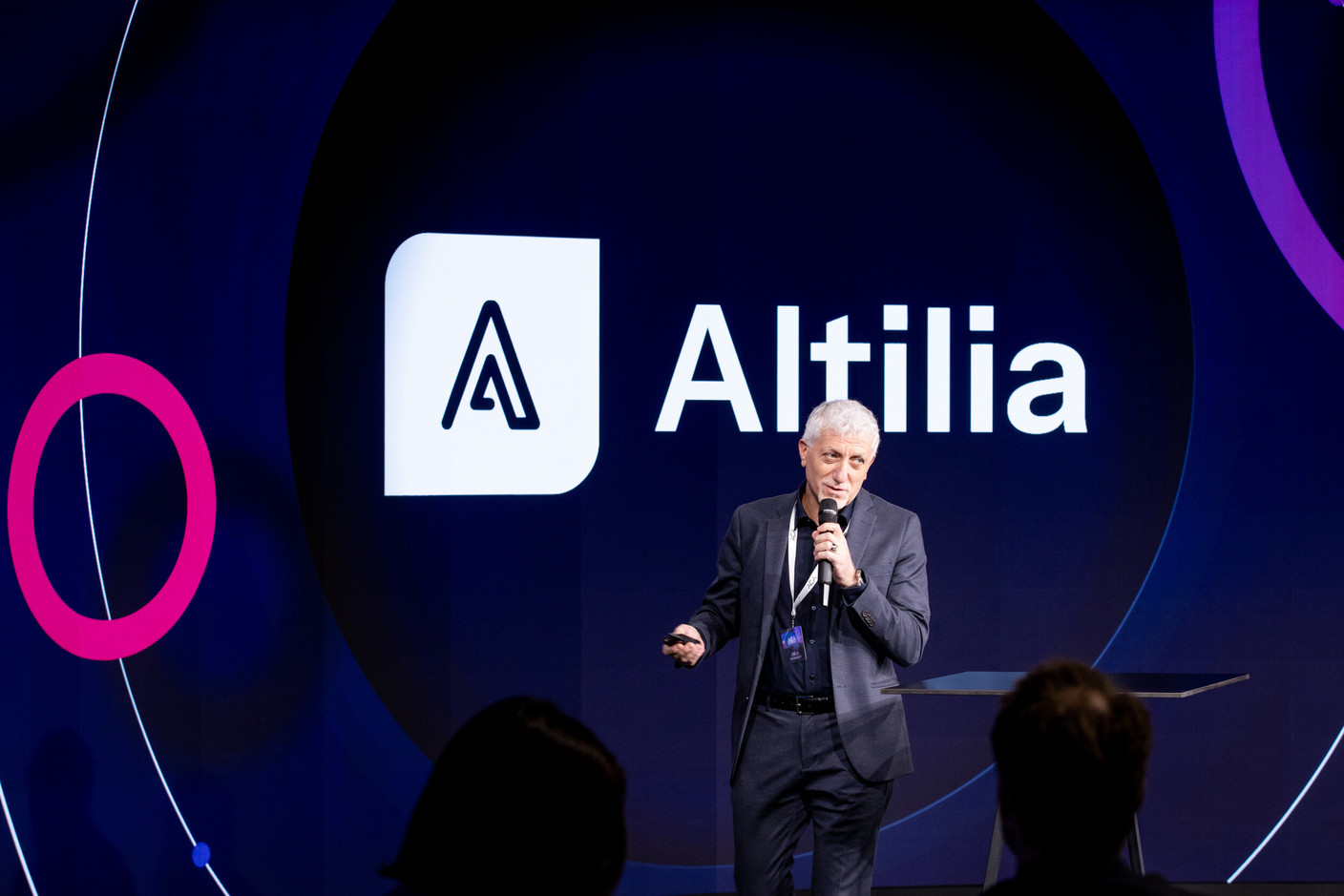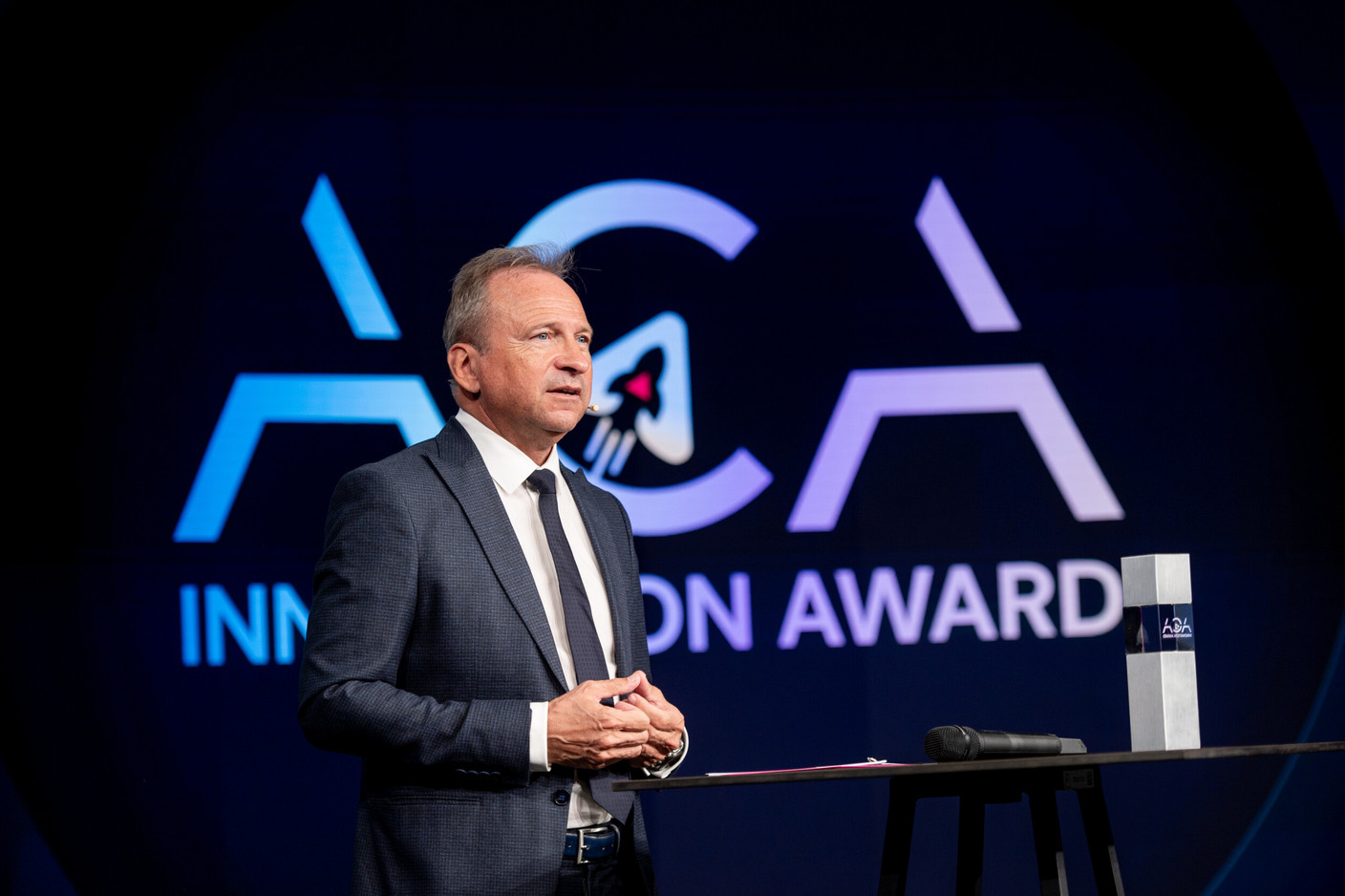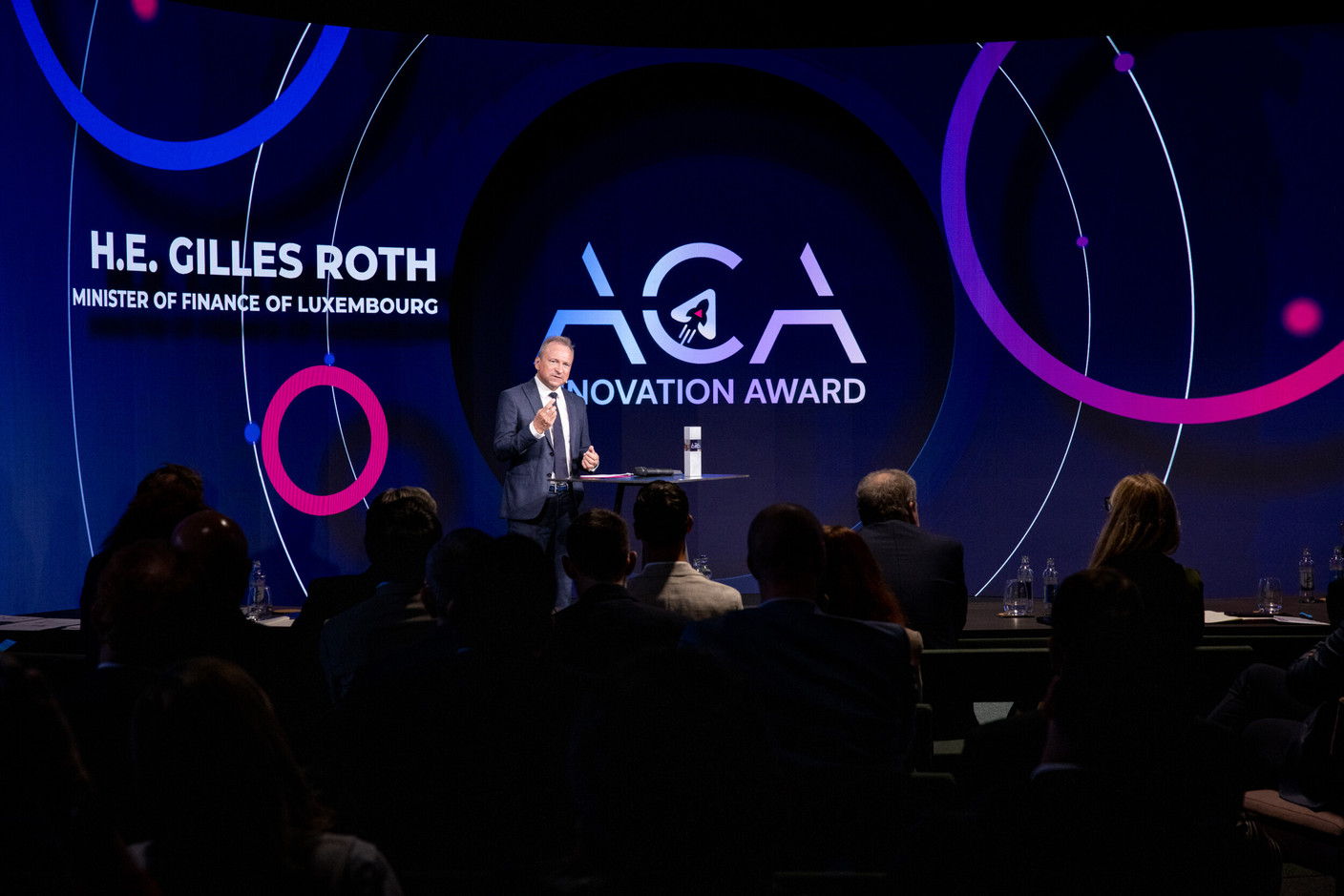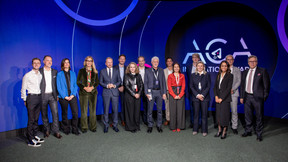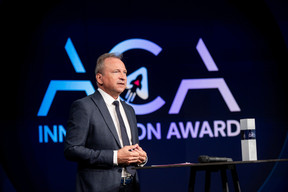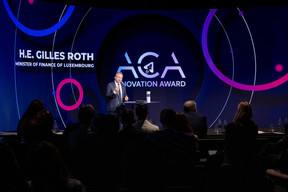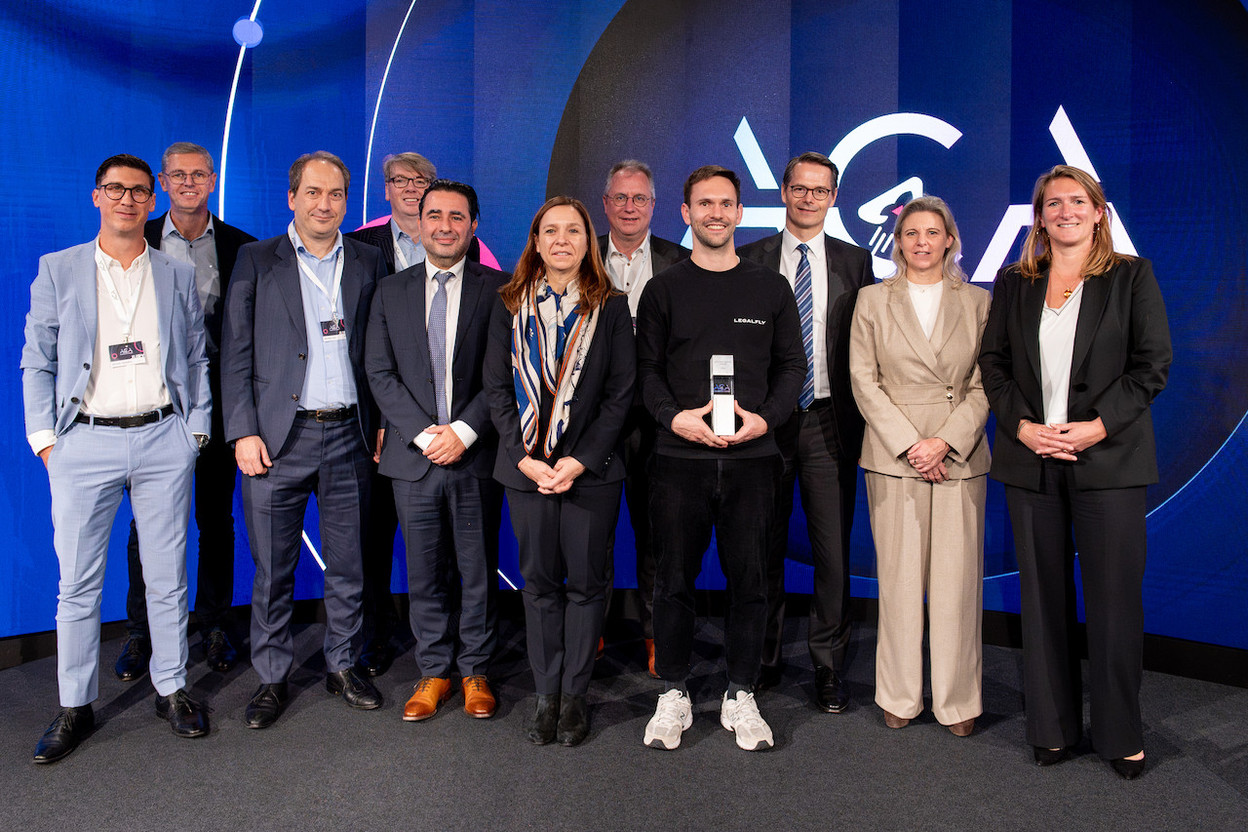
Automating insurance processes whilst retaining control over decision-making: it is in this area that Altilia won the 7th Aca Innovation Award ceremony, on 27 October at Luxexpo The Box. 
Automation under human supervision
Altilia is applying its solution to the automation of an insurance process. According to the Association of Insurance and Reinsurance Companies (ACA), the judging panel particularly noted the balance between automation and human oversight, compliance with professional confidentiality, and the ability to audit data processing. It also praised the prospects for short-term roll-out at an insurer or reinsurer in Luxembourg. “Innovation is useful when it meets a real need,” emphasised 
Altilia competed alongside Devana, Figen AI, Interloom, Kalipso and MarvelX. Each start-up had one day to adapt its technology to a use case in collaboration with insurers, reinsurers and experts from the fields of law, consultancy and technology. Working on a shared challenge, the six teams tested their proposals against the operational and regulatory requirements of the Luxembourg market, before presenting them to the judging panel that evening.
Determine what AI can handle
“The main challenge is no longer to experiment with AI, but industrialising it,” says the vice-president of the Aca and sponsor of its Innovation working group, 
Insurers are looking for tools that distinguish between tasks that AI can carry out and those that require expert intervention, whilst maintaining a paper trail at every stage. For regulatory monitoring, solutions must detect changes, identify applicable obligations and organise actions, whilst the interpretation of the rules and the final decision remain the responsibility of humans.