More than a year into the new EU term, European airline CEOs say they have seen “little action” to reinforce competitiveness, support aviation’s transition to net zero, or ensure resilient airspace. Meeting this week, members of Airlines for Europe (A4E)—which includes major groups such as Air France-KLM, Lufthansa and Ryanair—urged EU leaders to launch a Strategic Dialogue for European Aviation before year-end in a joint statement on 14 October.
According to A4E, the aviation sector contributes over 4% of EU GDP and supports 12 million jobs, yet faces growing costs and regulatory burdens. This summer, passengers endured 12 million minutes of delay (equivalent to 23 years lost) due to fragmented airspace and repeated strikes. A4E calls for mandatory arbitration, advance notice for industrial action, and better protection for overflights.
The group also urges Brussels to revisit delay compensation rules and cabin baggage policies, saying current thresholds and mandates distort costs and fail to match passenger priorities.
A4E members warn that the EU’s sustainable aviation fuel (SAF) mandates have made flying through European hubs more expensive, while competitors outside the bloc face lower costs. They call for multi-year SAF allowances, reinvestment of Emissions Trading System (ETS) revenues, and transparent pricing to accelerate the fuel’s adoption without undermining competitiveness.
Luxembourg airline’s position
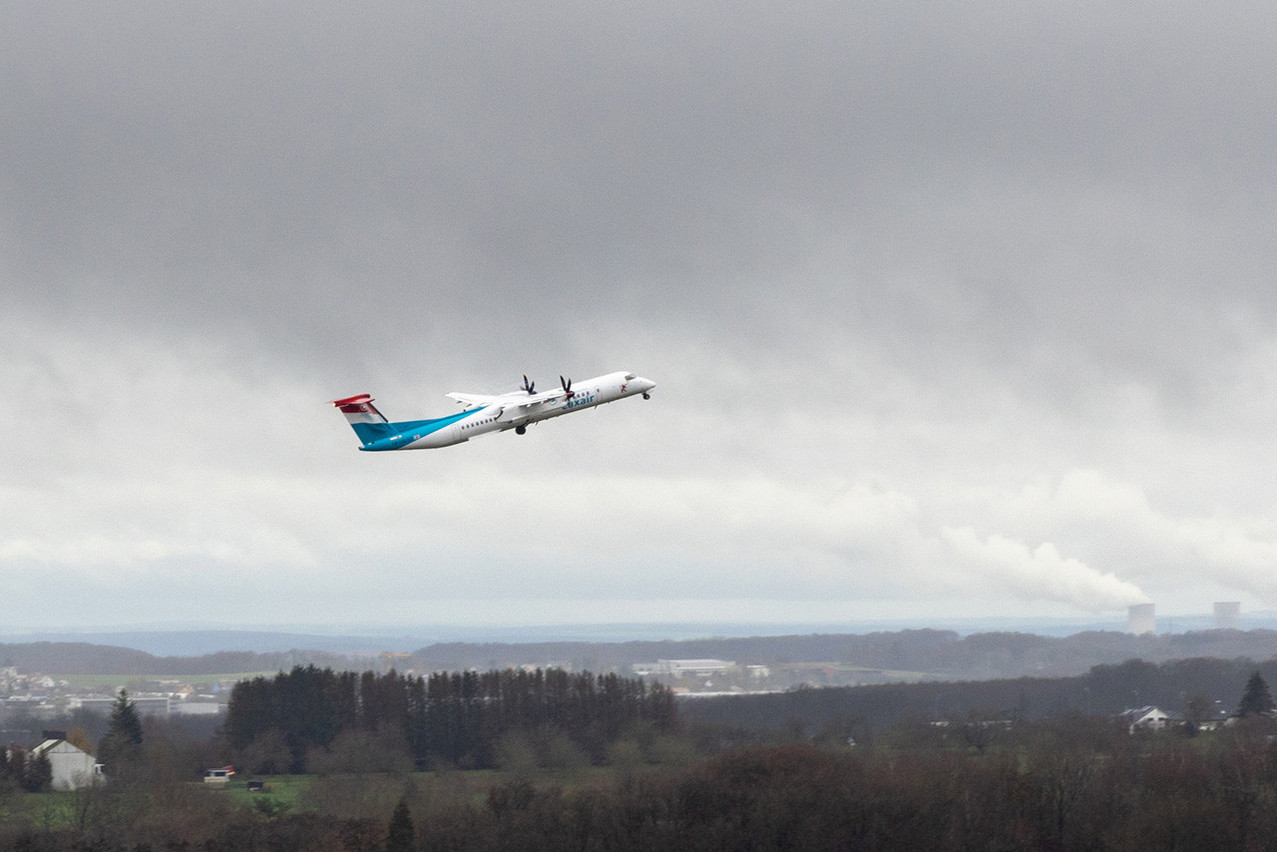
Luxair, not a member of A4E but of the European Regions Airline Association (ERA), shares the same concerns, particularly about airspace management and SAF affordability. “Luxair supports full, rapid implementation of the Single European Sky (SES) to address fragmented airspace and strengthen air traffic management resilience,” the airline said. “More direct routings and better cross-border coordination would cut delays, fuel burn and CO2 [emission].”
Complying with the new RefuelEU 2% SAF mandate from 2025, Luxair calls for EU action to scale up SAF production, ensure supply at regional airports, and avoid cost imbalances between large and smaller carriers. Its new Embraer and Boeing aircraft are compatible with blends of up to 50%, allowing a gradual ramp-up as supply improves.
“Europe’s small states and regional hubs must not be left behind,” the airline said, urging Brussels to balance environmental goals with economic competitiveness.