Europe’s legislators are drawing a clear line in the clouds: passengers come first. The Transport and Tourism Committee of the European Parliament has voted to defend and expand air travellers’ rights, setting the tone for negotiations with EU governments that begin on 15 October.
Among the headline changes: the right to compensation after a three-hour delay would stay untouched — despite attempts by some member states to push the limit to four or six hours. MEPs argue that flight distance should not matter for when passengers are eligible, only for how much they can claim, ranging from €300 to €600. The same compensation would apply to cancelled flights or denied boarding.
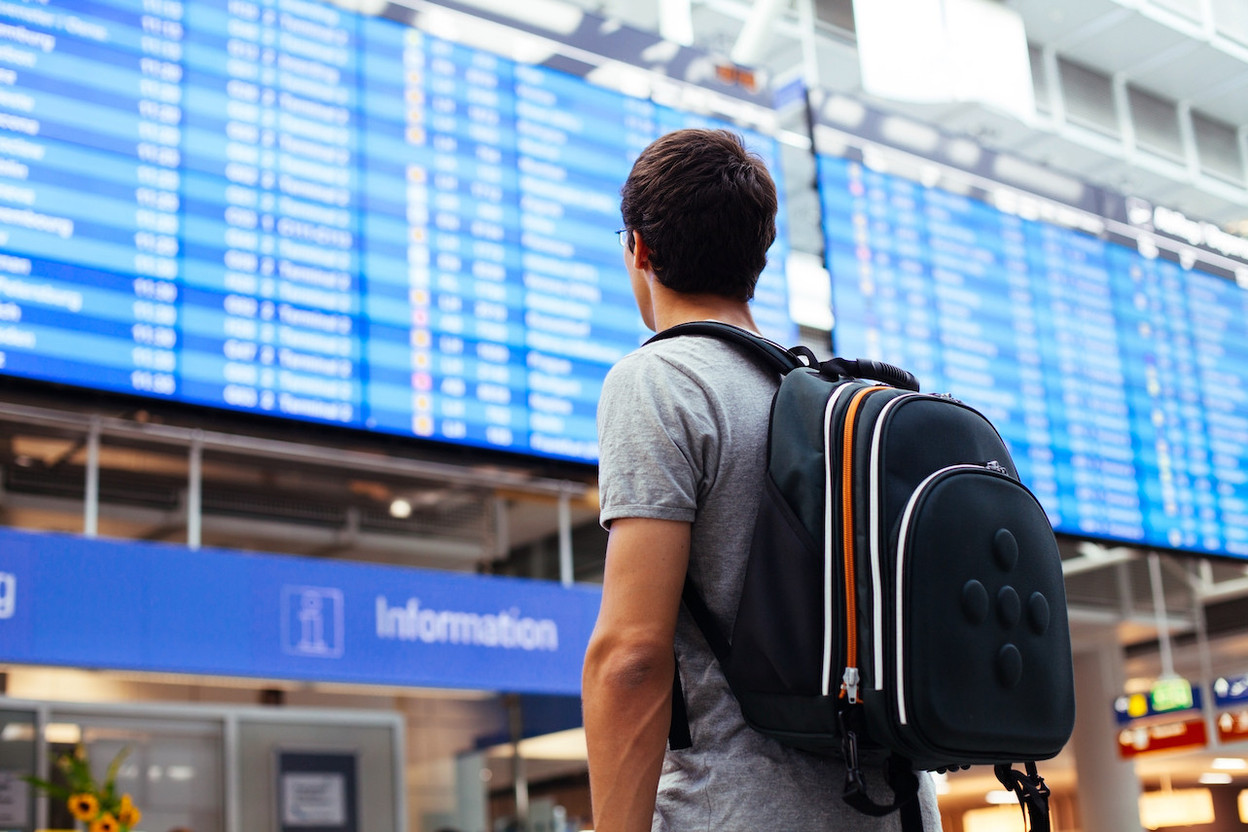
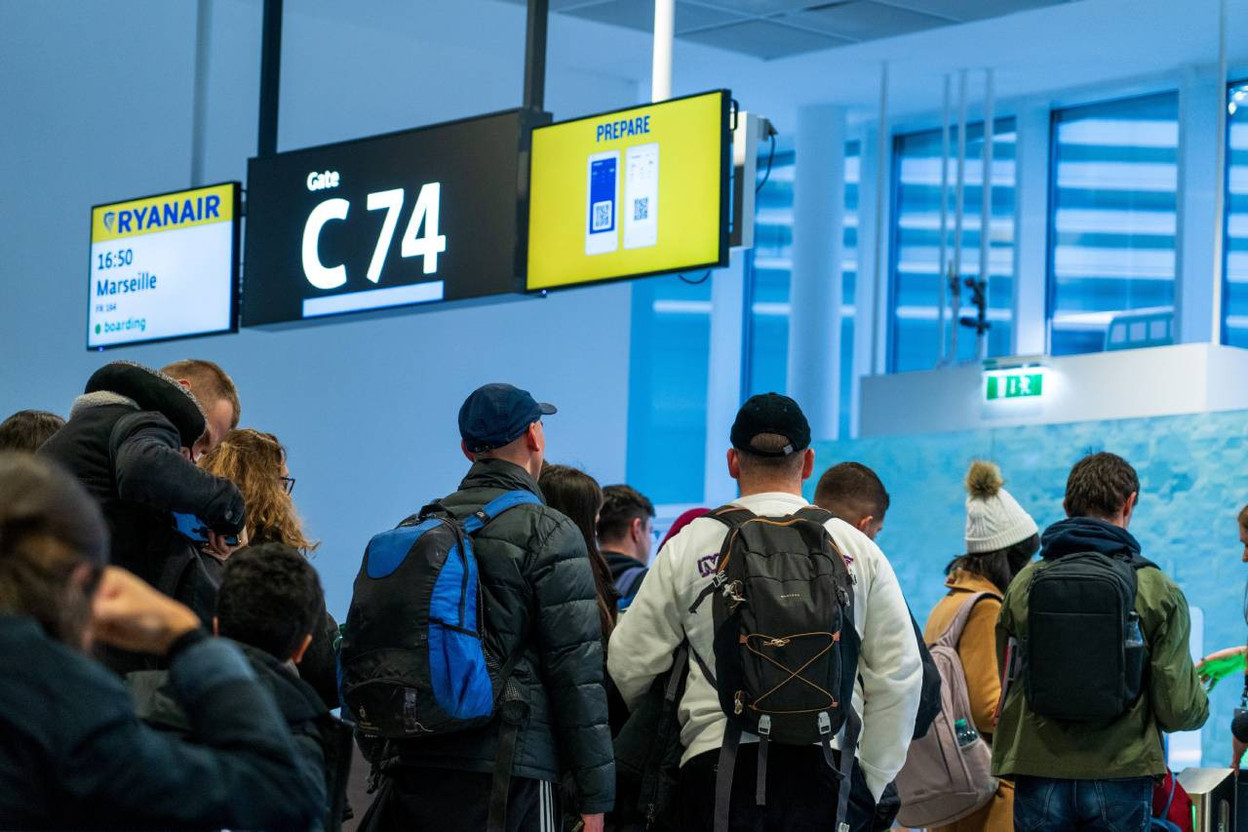
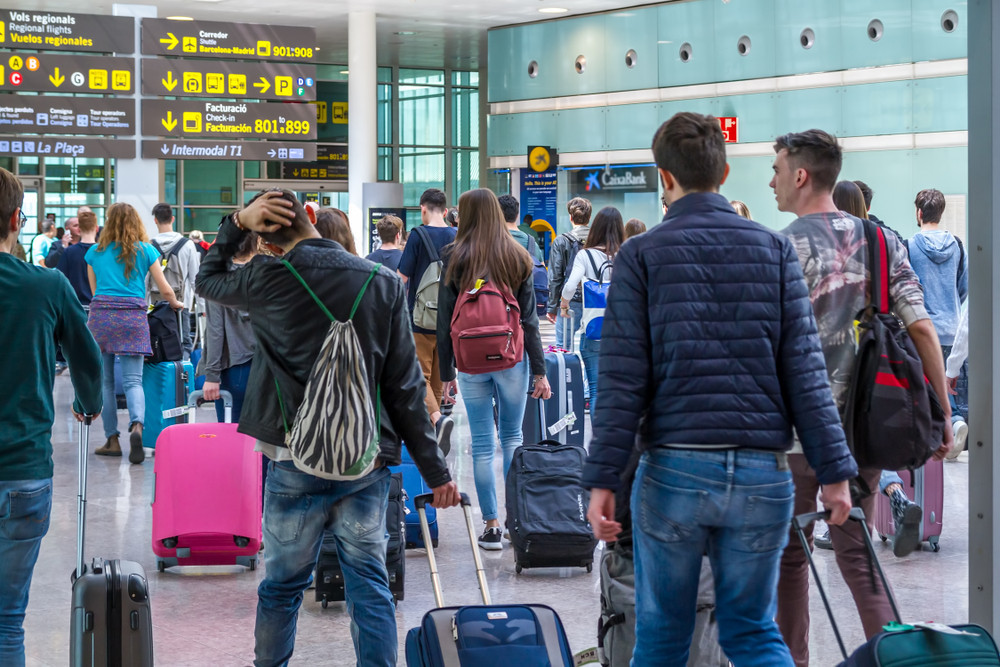
Beyond money, new perks are on the table. Every passenger would be entitled to bring a free personal item (like a handbag, backpack or laptop) and one small trolley bag up to seven kilograms, ending the confusing mix of airline luggage rules. MEPs also want to scrap extra fees for checking in, correcting typos on tickets, or seating children under 14 next to their parents — calling these basic passenger rights, not add-ons.
Exceptional circumstances
To simplify the paperwork, airlines would have to send passengers a prefilled compensation form within 48 hours of a disruption, or contact them automatically through other digital channels. Travellers would then have up to a year to file a claim, with immediate payment in cases of denied boarding.
The reform would also bring clarity on when airlines can avoid paying compensation. Only exceptional circumstances such as natural disasters, wars, extreme weather, or external labour disputes would qualify — but not strikes by the airline’s own staff.
“The European Parliament is ready to fight for Europe’s passengers,” said rapporteur Andrey Novakov (EPP, Bulgaria). “Behind every delay or cancellation, there are real people, missed birthdays, funerals, weddings and job interviews. We will not allow citizens to be left behind.”
Talks with the Danish Council presidency kick off this month, with three months to reach an agreement — and a potential one-month extension if needed. For Europe’s frequent flyers and holidaymakers alike, this could mark the biggest upgrade to air passenger rights in a decade.