In a constantly changing world of work, what skills will make the difference in the future?

A recent study indicated that, over the past two decades, the ability to focus on a single task has fallen from 2.30 to 40 seconds (Mark, G., Iqbal, S. T., Czerwinski, M., Johns, P., & Sano, A. (2016)). Our attention is a resource that is constantly being drawn upon. Between two employees, both supported in the same way by AI, this will certainly make a difference to the quality of the work delivered. Many Luxembourgish companies are already considering neuro-diverse individuals, which extends the discussion on emotional intelligence.
I also believe that new skills will emerge naturally and be championed by the younger generations. ‘Prompting’, for example, could develop our ability to be clear, precise and concise, and to articulate our needs. If we add a human touch to this, generative AI might well become an asset in strengthening mutual understanding. Ultimately, AI reveals less our mastery of technology than our cognitive clarity and our relational intelligence.
If you had to identify a key HR priority for companies over the next three years?
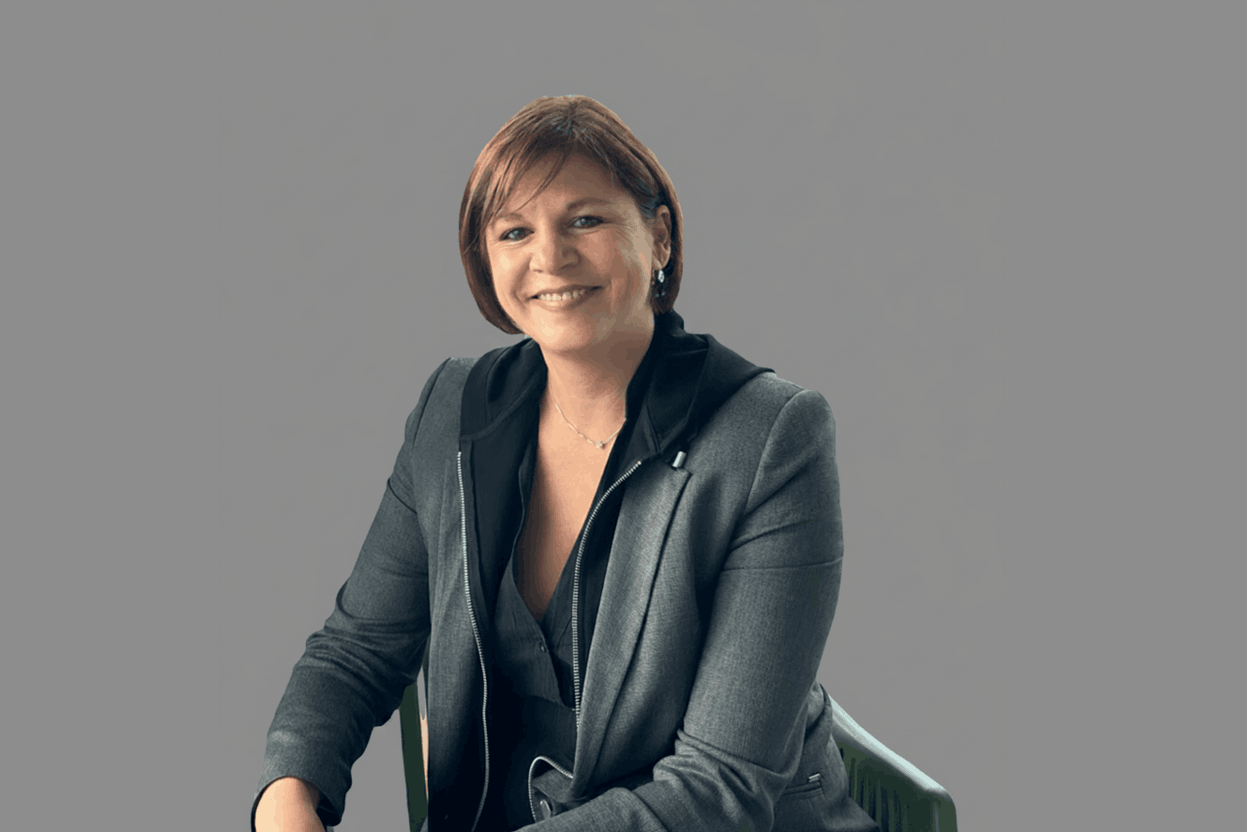
“From an HR perspective, I believe the challenge lies not only in defining new skills but, above all, in when and how to integrate them. It is no longer enough simply to take staff away from their roles and train them over a set period. The pace of global change means we must respond immediately to new needs. Hard skills are becoming obsolete at an ever-faster rate.
How are we going to combine practical experience with learning? I think this is the challenge facing many SMEs. HR’s understanding of the business context must therefore become the norm. Only then will we be able to truly support our staff in building a coherent career path. The traditional model pitting decision-makers against those who carry out tasks must evolve to allow teams to develop greater autonomy, judgement and situational awareness.
This is where teams will deliver their added value. Managers and HR will be at the forefront of these changes, so we will need to work together to learn how to navigate new challenges: how do we manage teams that are supported and augmented? The legal framework, on its own, is no longer a robust pillar to underpin our HR policies. We talk about the right to disconnect even as we become increasingly connected. It is up to us to prepare and protect our teams in these new ways of working.
Will AI have a greater impact on jobs or on skills?
“The two are inevitably linked: if AI renders certain tasks obsolete, jobs will change. AI supports us, either by replacing us and/or assisting us with low-value-added tasks, or by ‘augmenting’ us; so it’s clear that we’re going to see new roles and functions emerge (whether in robotics or not). I believe we are experiencing a two-speed transformation.
When Anthropic announced in June 2026 that it wanted to slow down the development of AI because technological changes could lead to very significant upheavals, what proportion of companies have actually fully integrated it into the optimisation of their processes? Generative AI, in particular, has become embedded in everyone’s daily lives, but it has not yet become an organisational norm. Whilst it influences our practices, corporate cultures, management and process structures are still in the early stages of their transformation.
The polarisation of the debate on AI is very pronounced and skews our view of the reality on the ground. This, too, is part of the skills we need to develop: being aware of the direction of prevailing discourse and the power of algorithms. By maintaining a critical mindset at all times, we can develop a healthy relationship with AI, understand how it works and integrate it in a way that contributes to our own development: creativity, responsiveness, and so on. The challenge is to build our strategies in line with each company’s unique vision, making AI a strategic lever rather than a driving force that dictates the direction. It is a question of staying in control of the course, rather than becoming mere executors of AI ourselves.”
This article was originally written in French, then translated and edited into English for the Paperjam website.