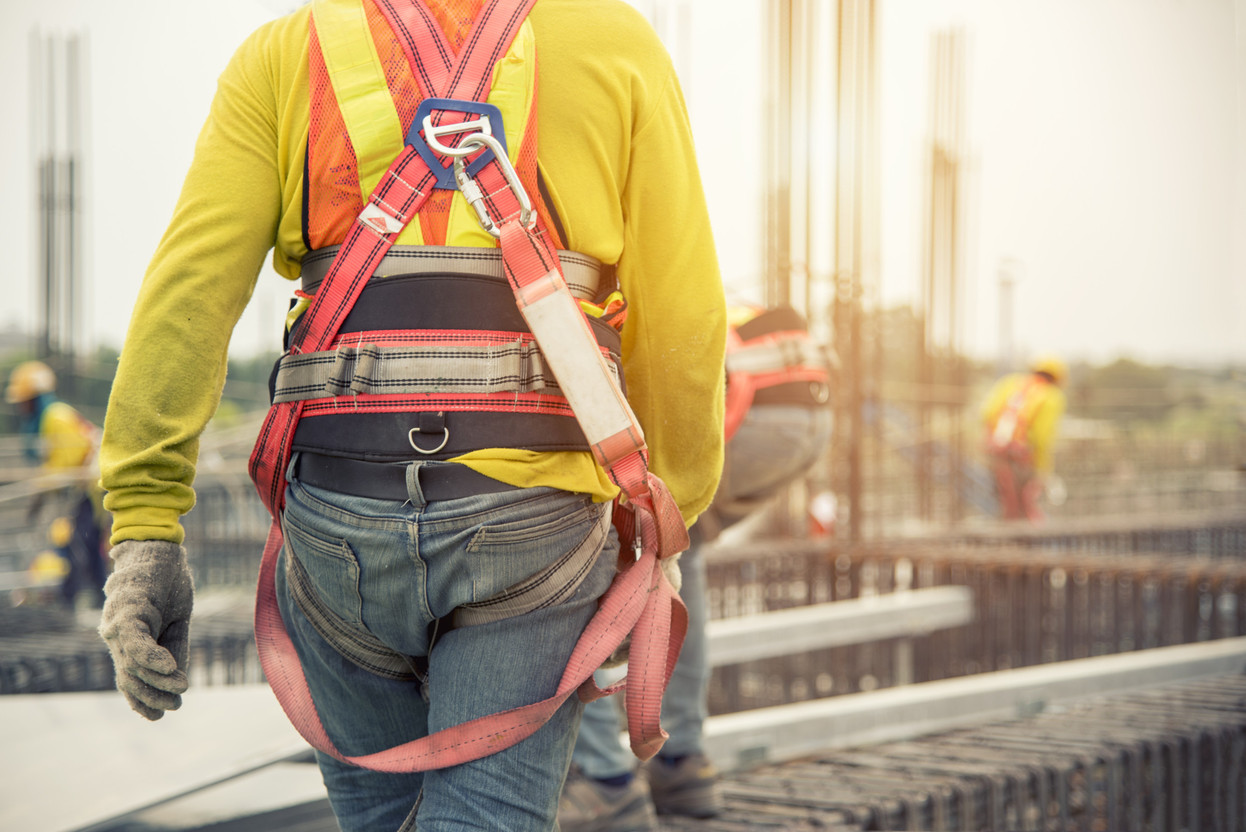
With 16.751 occupational accidents reported in 2024, 658 fewer than in 2023, and just five fatal accidents - an all-time low, the latest report from the Accident Insurance Association (AAA) paints a generally positive picture. The frequency rate is falling, and the proportion of accidents on construction sites has fallen from 25.69% to 22.20% of the total. For a historically exposed sector, these figures are an encouraging sign.
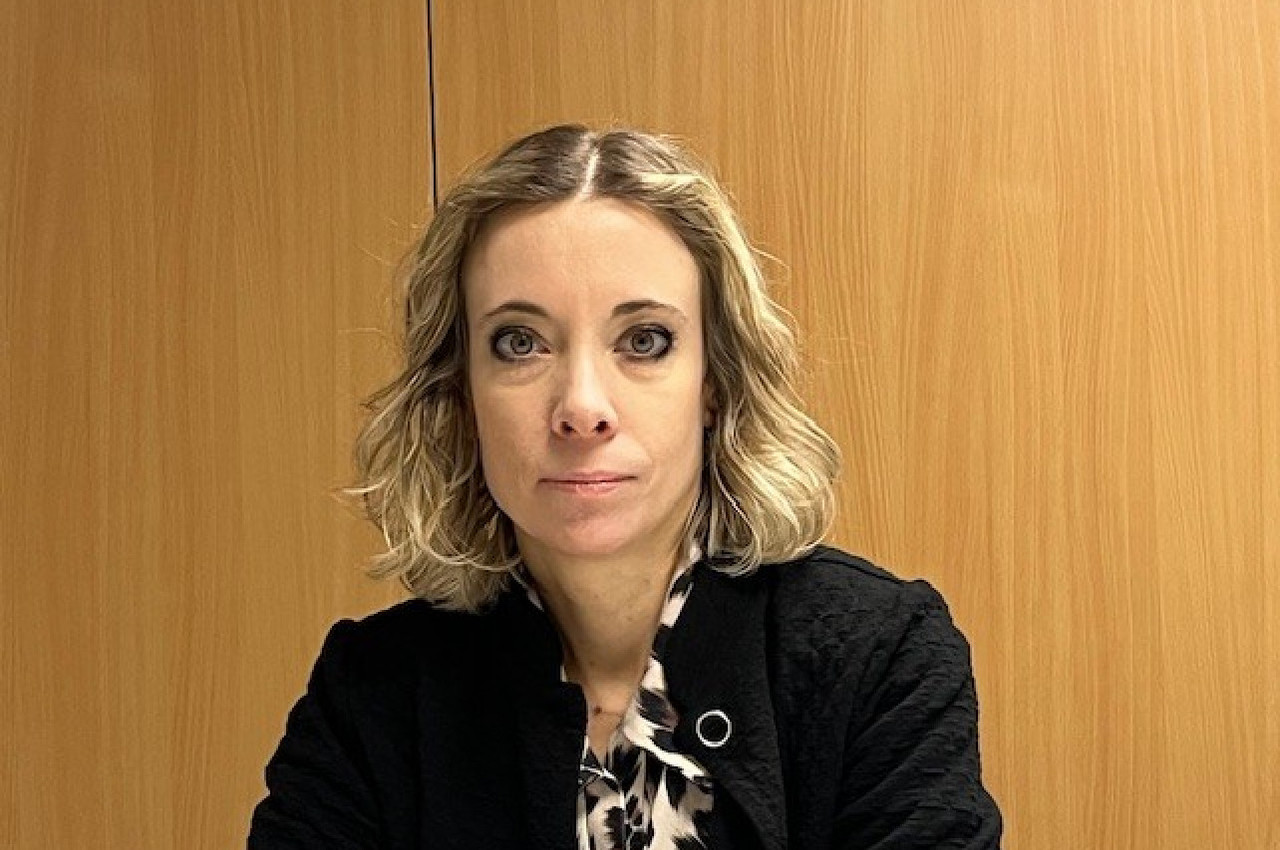
On the ground, this development is seen as the result of a more structured and better integrated regulatory framework. "There has been a clear improvement in the application of safety rules in Luxembourg, in line with current regulations," notes Amandine Chaudy, QSE & RSE manager at Equans, a group specialising in the installation, operation and maintenance of technical systems for buildings and industrial sites.
Genuine progress but still patchy, in her view. "There is still a big gap between the regulations on safety on construction sites and their actual implementation. Laws and standards impose strict protection measures, but in practice, some sites do not fully comply with these requirements, creating a two-tier safety system."
While the framework is now clearly defined, its application comes up against the operational realities of construction sites. Pressure on deadlines, economic constraints and organisational complexity further weaken the effectiveness of the rules, even though they are well established.
Beyond "human error"
In this context, when an accident occurs, the finger is regularly pointed at "human error". "Yes, an individual's judgement at a given moment can be the cause of an accident or incident," admits the professional. "But, in most cases, it is above all the result of a chain of decisions taken upstream, particularly at organisational or economic level."
It is precisely upstream that her role takes on its full meaning. "Because every accident is one too many. The challenge is not to correct after the event, but to anticipate. "Rather than concentrating on correcting problems, the QSE & CSR manager today adopts a proactive approach in which employee awareness and commitment play a key role in reducing risks," she explains. "He or she must also support teams in integrating new technologies on a daily basis."
Because these new technologies have become a key support for prevention. At Equans, several systems have been put in place to limit exposure to risks. Drones now inspect industrial sites and roofs where access is dangerous or complex, limiting the number of high-risk interventions. At the same time, immersive virtual reality training programmes simulate sensitive situations - working at height, handling equipment, emergency situations - to better prepare teams without exposing them physically.
When risk can no longer be seen
But prevention is not just about tools and processes. It is a long-term process, working closely with teams. And that's often where other risks come into play. "The psychosocial risks associated with stress, organisational pressure and mental fatigue are still largely underestimated on construction sites", observes the expert. Less visible than physical risks, it nevertheless has a direct impact on safety, the quality of work and the commitment of teams.
"Our world is changing very fast and becoming increasingly volatile. International tensions and the impact of social networks on daily life have a major impact on workers' mental health", she continues. And, in everyday life, the effects can quickly be felt. An increase in errors, more frequent absences, a deterioration in the social climate: these are all signals that end up weighing on overall performance. "Taking this hazard into account and preventing it means making lasting improvements to the reliability and safety of operations", she stresses.
Beyond the human factor, safety is now a fully strategic issue. "It is a lever for social performance and governance, but also a criterion for differentiation in invitations to tender and the selection of partners. Safety in the workplace remains the cornerstone of ESG initiatives. Without it, no social or environmental strategy is credible", concludes Amandine Chaudy.