“The CO2 emissions targets are frankly unreachable, aren’t they?” the boss of the world’s fourth-largest carmaker quipped at a conference in Paris organised by Kepler Cheuvreux. Having taken up his post in June, the Italian drew an “obvious direct correlation” between the strictness of the standards and the decline in the European market: “Before the covid-19 crisis, the European industry was producing around 19m cars a year. Now we’re on the way to 15m. Europe is the only major region to be declining so fast.”
Faced with this observation, the head of the group of 14 brands (including Peugeot, Citroën, Fiat and Jeep) is calling for greater flexibility on emissions reduction targets and defending the development of more compact models. “Regardless of the type of engine, a small car will always pollute less and have lower CO2 emissions than a large one,” he insists, suggesting at the same time the introduction of “super-credits” to encourage the purchase of these vehicles.
The debate is not limited to manufacturers. On the political front too, voices are being raised in favour of making the European framework more flexible. On Tuesday, German chancellor Friedrich Merz called for more “flexibility” in European regulations. “We are of course committed to the transition to electric cars, but we need intelligent, reliable and flexible regulations,” he said at the opening of the Munich Motor Show.
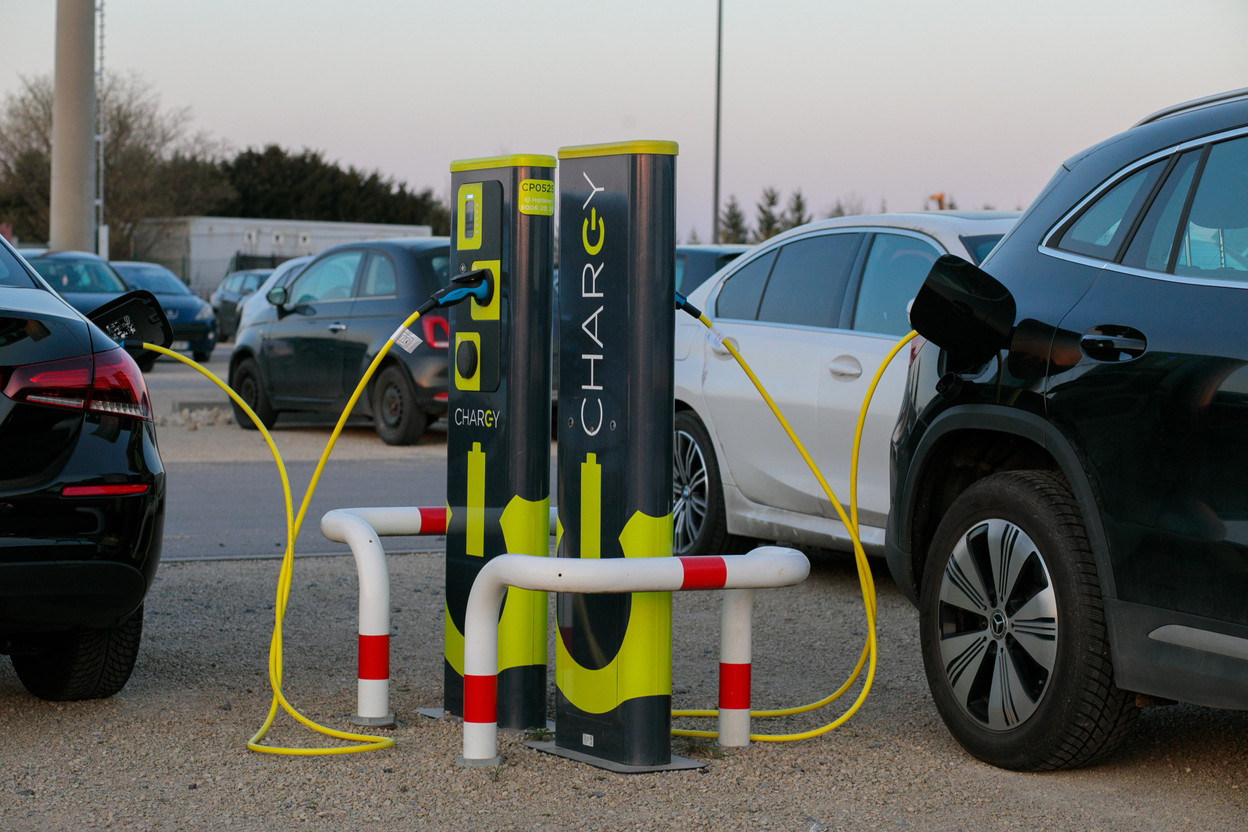
On the other hand, the electric car camp is calling for the EU to stay the course. Earlier this week, 150 industry leaders wrote to Ursula von der Leyen urging her “not to turn back.” Battery manufacturers, terminal operators, materials suppliers and energy companies point out that hundreds of billions of euros have already been invested since 2023 to make this transition a success. “Going back on the legislation would undermine investor confidence and give our global rivals a competitive advantage,” they warn.
This article was originally published in French.