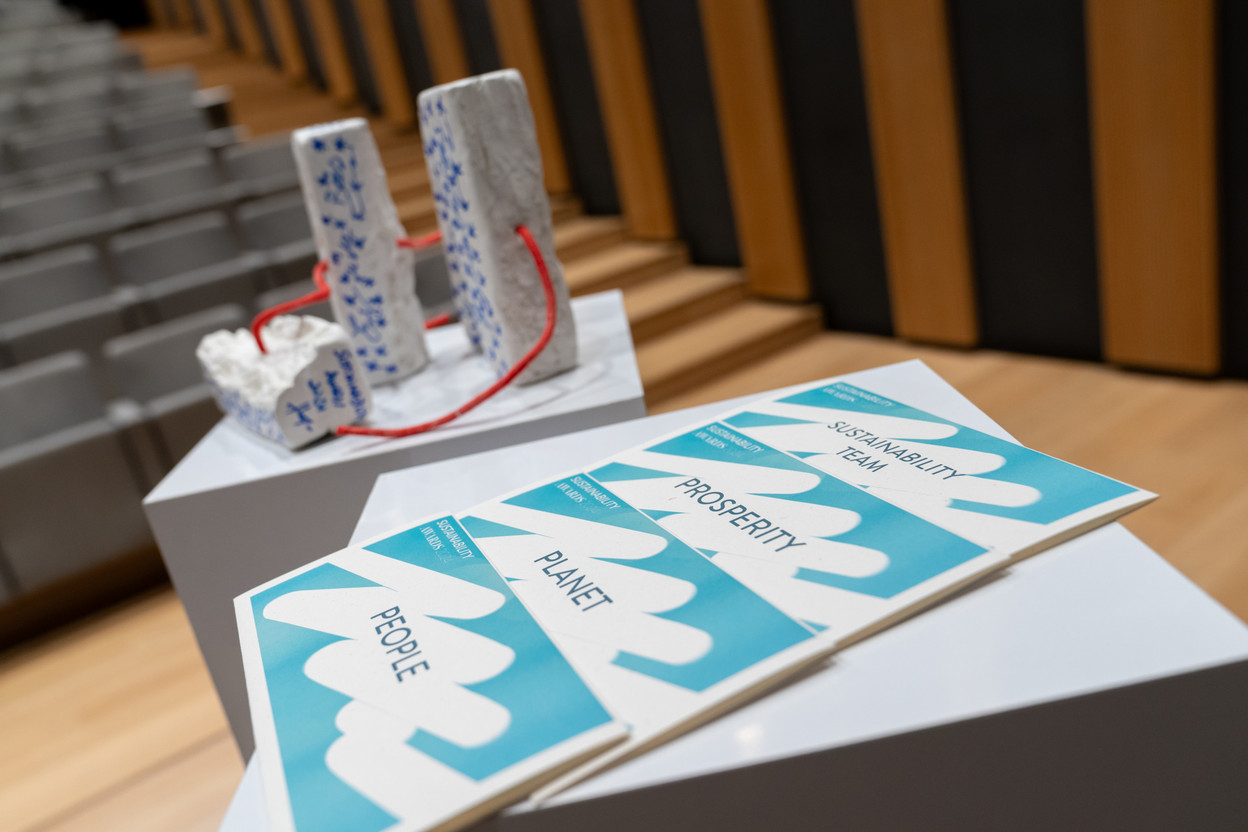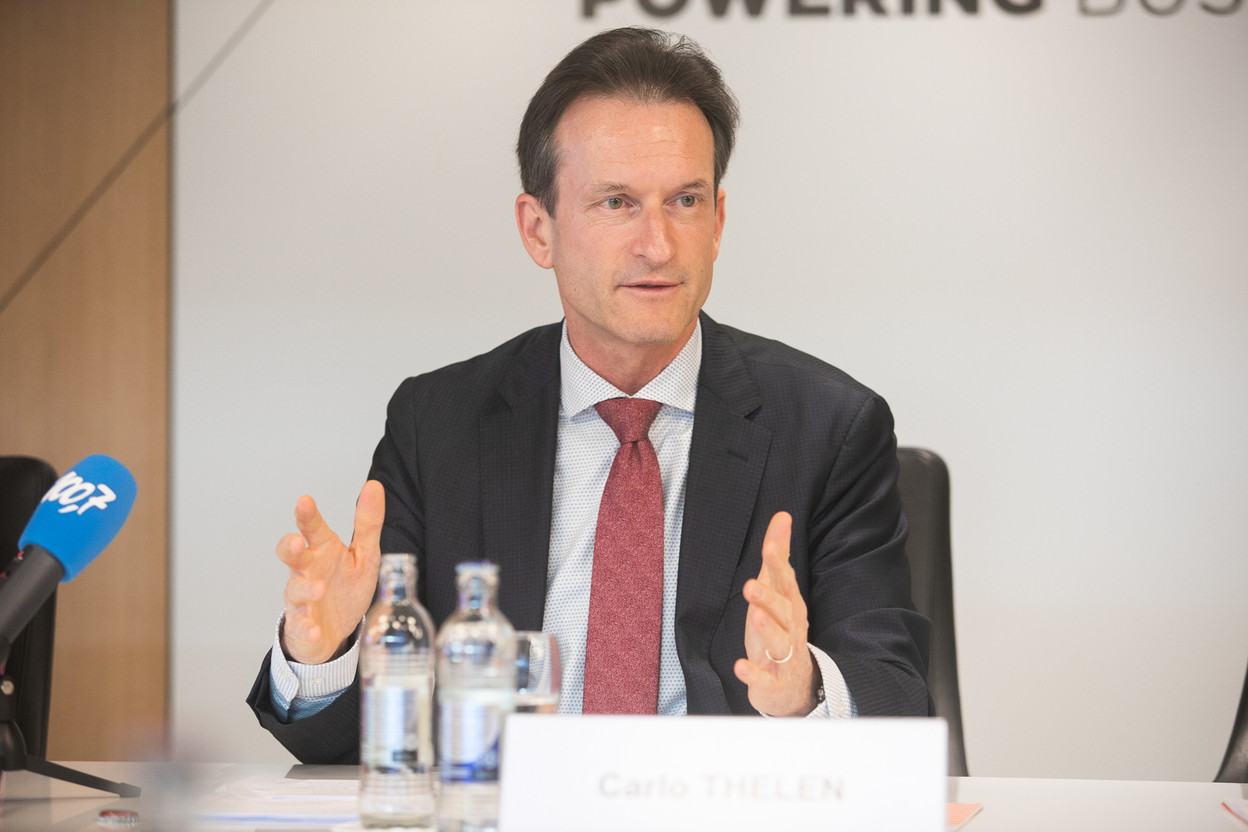
44% of companies are applying a sustainable development approach, and an equivalent proportion believe that this is vital for their future. These figures, from the second edition of the sustainable development panorama, presented by the House of Sustainability of the Chamber of Commerce in partnership with the Chamber of Trades, IMS Luxembourg and the National Institute for Sustainable Development and Corporate Social Responsibility (INDR), are stable when compared with 2022, when 41% of businesses said they were integrating sustainability into their management.
The study, which surveyed 609 companies in July 2024, provides a representative overview of the key sectors of Luxembourg’s economy: finance, construction, commerce, industry and services.
In 2024, “71% of companies had formalised or were planning to formalise their sustainability strategy.” However, there is still a lack of strategic commitment: “67% of the companies surveyed said that they had not implemented any strategic actions to protect the environment.” These initiatives, which are often more complex to implement, are still mainly concentrated in large companies. On the other hand, “100% of the companies surveyed have implemented at least one operational action, such as recycling, waste management or energy efficiency.”
Financial sector leads the way in CSR practices
“The most mature sector in terms of implementing corporate social responsibility (CSR) remains the financial sector,” says the report, with 65% of companies in this field having integrated CSR into their management. Sustainable development is particularly advanced in large companies: “between 70% and 91% of companies employing more than 250 people have already introduced sustainability initiatives.” These structures have the human and financial resources to meet these complex challenges.
Competitiveness is one of the main motivations for companies. “A clear increase in the number of companies acting under the influence of customer demand, legal obligations or competition,” says the report. In addition, “43% of initiatives come directly from managers themselves.” This internal leadership is particularly marked in SMEs, where the impetus of decision-makers plays a crucial role.
The CSRD (Corporate Sustainability Reporting Directive), which imposes increased transparency requirements, is acting as a catalyst to structure sustainability initiatives, particularly in large organisations.
Concrete initiatives, but still not enough
The companies surveyed show a significant commitment to operational actions such as
- Reducing energy consumption.
- Increased use of recycled materials.
- Developing eco-designed products.
However, “only 33% of companies currently have at least one strategic action in place to preserve the environment,” such as roadmaps for decarbonisation, the report states. Of these companies, more than half have introduced circular economy concepts, while “only 15% have already drawn up a roadmap for the gradual decarbonisation of their activities.”
When it comes to well-being at work, Luxembourg companies are showing a growing interest. “Almost 71% of companies have adopted initiatives to improve well-being, notably through flexible working hours, mental health programmes or training in the prevention of psychosocial risks.”
Urgent need for financial and information support
The report identifies clear needs to support the transition, noting that “more than half of companies say they need financial support, and 51% are looking for better access to information and training.” These requests particularly concern SMEs, which are often limited by insufficient resources.
At the same time, “41% of companies include sustainability criteria in the selection of their service providers and subcontractors.” Although this practice is making progress, it remains insufficiently widespread.
Despite the benefits attributed to sustainability in terms of image and customer positioning, “less than half of companies actively communicate about their initiatives.” This lack of visibility, which is often the result of poorly formalised approaches and limited resources, is an obstacle to making the most of the efforts made.
This article was originally published in French.