More than 75,000 international students were studying at universities in Ukraine in 2020, according to government data. Over 15,000 came from Africa, mainly Nigeria, Morocco and Egypt. Displaced by the war they face an uncertain future, with their education in jeopardy.
Tina and Lisa both studied in Kharkiv when the war broke out. Their names have been changed and other information omitted from this article to help protect their identities. They crossed the border from Ukraine after an arduous trek, each spending more than 24 hours on the road by foot.
“Everybody just kept moving,” Lisa told Delano about how she ended up in Luxembourg, adding that she is still recovering from the strain of the journey. Neither of the young women knew anyone in the grand duchy before arriving, joining others along the way in search of a safe haven.
While Lisa was able to cross into Hungary fairly easily, Tina faced long delays at the Polish border. “It wasn’t a good experience,” she said, confirming reports that third-country nationals were made to wait while Ukrainians could pass. People were stuck for four days or more, in poor health, exhausted and undernourished, she said.
Both women left most of their possessions behind, carrying only some essentials.
“We lost everything too,” said Lisa. “We were also directly hit. Why can’t I get the same treatment?” Luxembourg’s immigration office has denied temporary protection to both Lisa and Tina, giving them 30 days to leave the country and paying for their flight home. They have the right to appeal the decision.
“I left there for a reason”
The EU temporary protection mechanism applies to Ukrainian nationals and long-term residents. Almost everyone else, including students from third countries, are not included. Activists and advocacy groups, such as Human Rights Watch, had urged for protection to be given to all civilians escaping the war.
“Every decision is based on an individual analysis,” the foreign affairs ministry said in an email. The duration of residence is one criterion, but also whether applicants will be able to return safely to their country of origin if refused protection in the grand duchy. “With regard to students who have lived during a limited time in Ukraine, many still have their family in their country of origin where a safe and durable return is possible.”
But for the two women, Nigeria is anything but safe. “I left there for a reason. There’s no war going on, but terrorism, kidnapping, rape… it happens almost every day,” Tina said. “Read what’s happening in Nigeria,” said Lisa, adding that she wouldn’t have left “if it was such a great place.”
My parents had to make a lot of sacrifices.
If they go back, it is uncertain whether they will ever be able to return to Europe. “It would be very difficult,” said Tina. “My parents had to make a lot of sacrifices.” And the future of her education is also in doubt. “The education system in Nigeria is really choked up,” she said, with students waiting five or six years to start their degree after leaving high school.
Ukraine was also one of the few countries that accepted Nigerian diplomas for admission. Applying for other universities in Europe isn’t impossible but it will be an uphill climb to get accepted. Tina, who is still following classes from Kharkiv online, hasn’t given up hope to go back. “If I could just stay until the war is over and then return to Ukraine…”
She has told authorities that she does not want to go back to Nigeria and is waiting for the next steps.
Other options
Among the student refugees, reports have spread that the Netherlands is more accommodating, but Lisa was unsure about leaving Luxembourg and trying her luck elsewhere. “I’m tired of moving around,” she said.
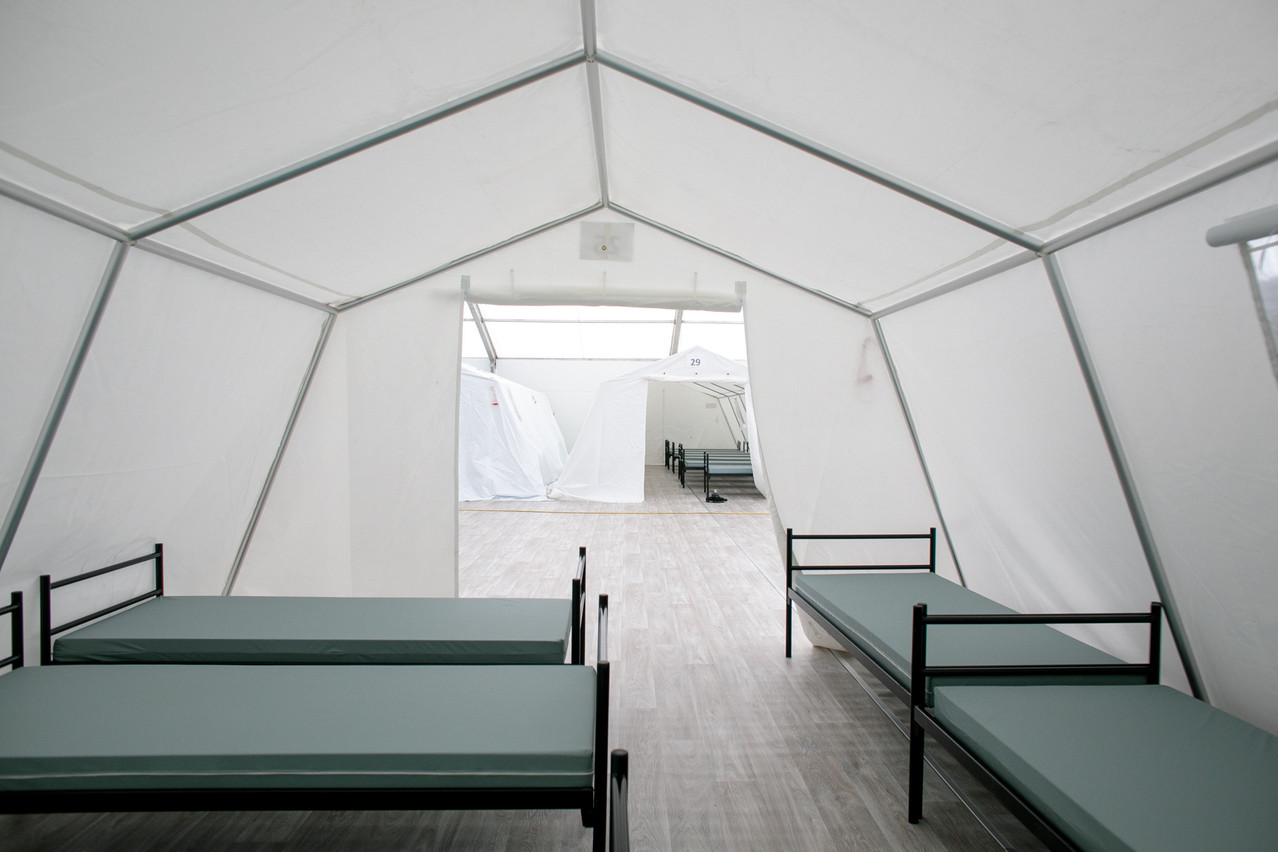
Lisa is still considering her next move but after nearly three months of living in a tent at a refugee shelter, she wants to be able to do something. “We’re being made useless,” she said of her status being in limbo.
As of 24 May this year, 109 third-country nationals had received temporary protection from Luxembourg. Another 31 persons were refused. This out of more than 5,000 received applications from people who fled Ukraine.
“Independent of the temporary protection status, people have the option to apply for a resident permit based on Luxembourg’s immigration law. A resident permit will be granted when the conditions foreseen by the targeted category are met,” the foreign ministry said. But with no degree and limited options, Lisa’s not holding out hope.
“At least let us complete our education,” she said. “You want to come back to your country better than how you left it.”