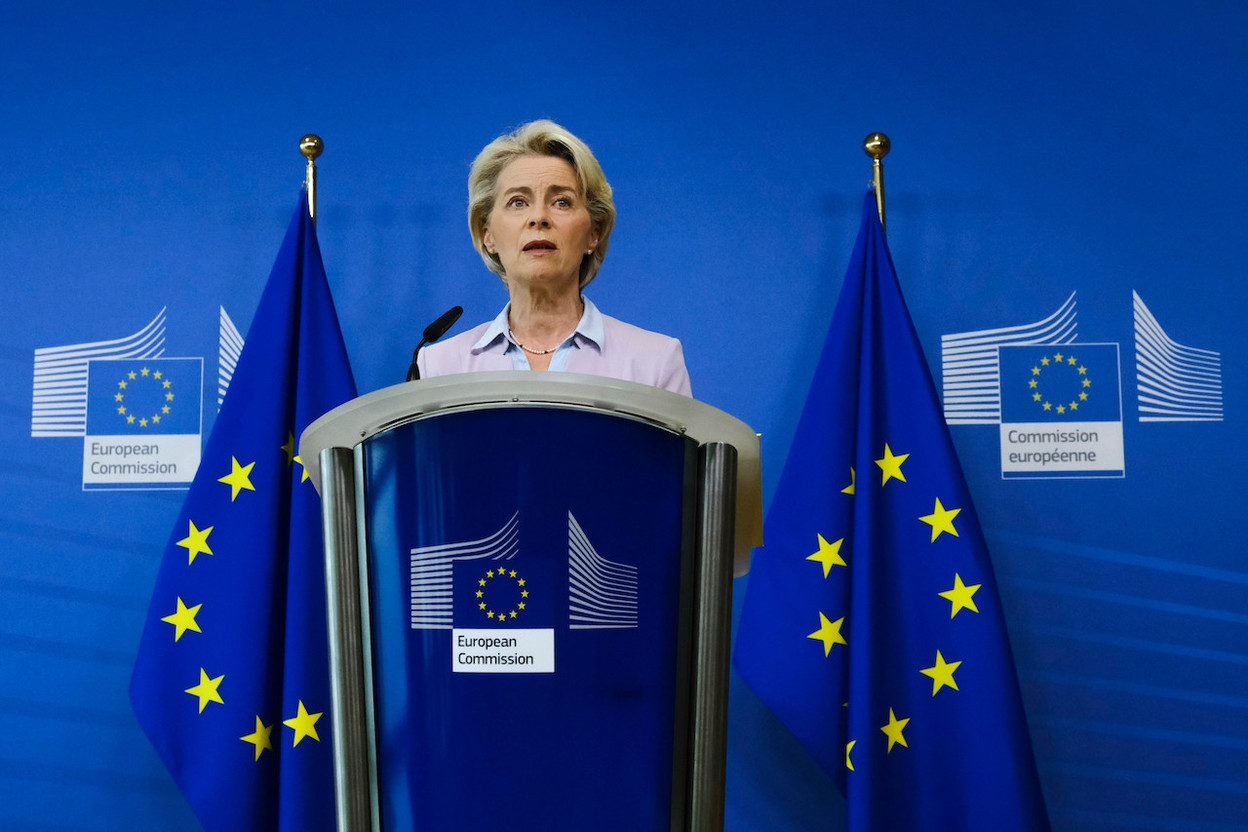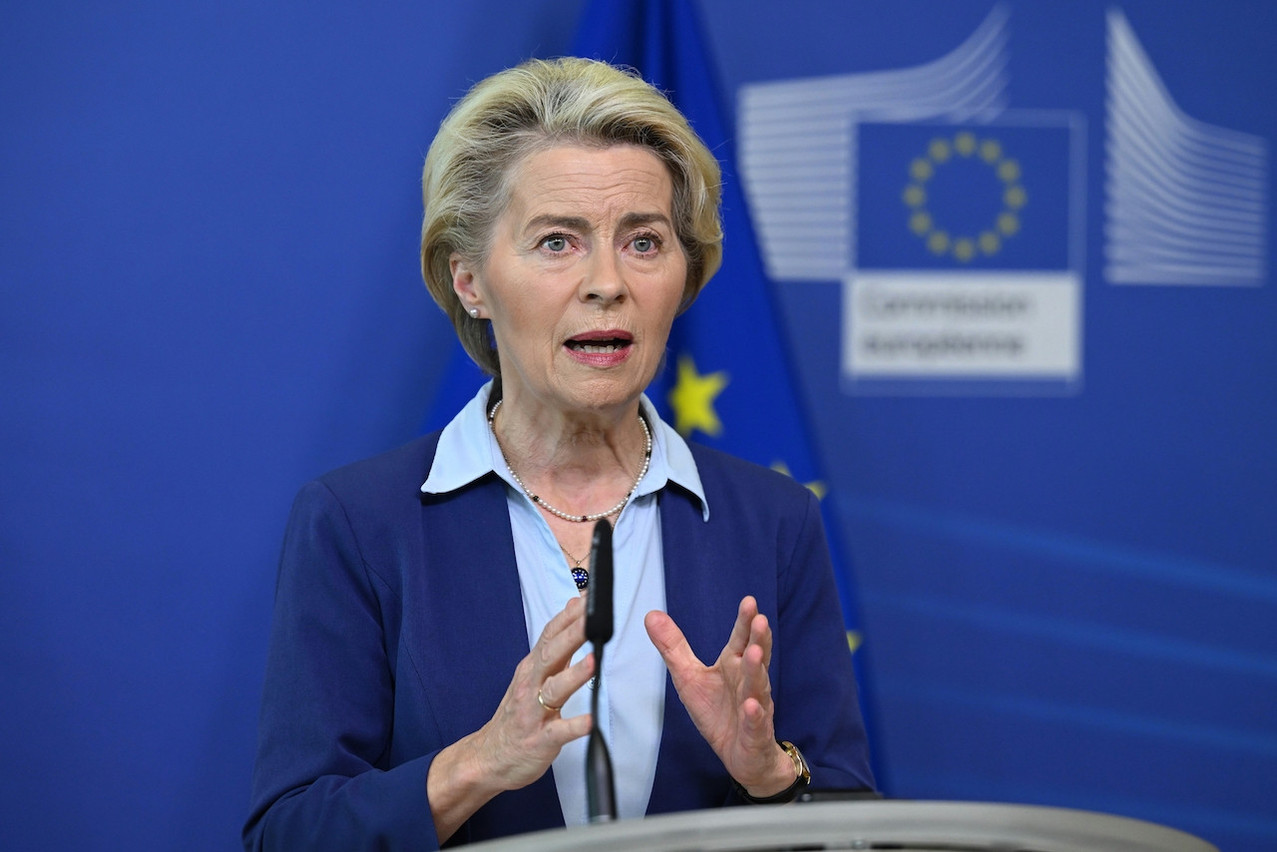
To be confirmed, the college of commissioners needed a majority of the votes cast. This has now been achieved. However, Ursula von der Leyen's majority is less pronounced than in 2019, when she obtained 461 votes against 157 oppositions and 89 abstentions. This was due to a strong surge by the populist right in the June 2024 elections. It is also due to the differences that have emerged in the theoretical majority of the new president of the European Commission. Together, the EPP, Renew and S&D have 401 elected members. There were 31 missing.
Including Luxembourg's 

In the debate with MEPs preceding the vote, Ursula von der Leyen said she was ready "to get down to work immediately", stressing that the European Commission would always be dedicated to the fight for freedom, sovereignty, security and prosperity. She announced that the first initiative would be a competitiveness compass, to close Europe's innovation gap with the United States and China, strengthen security and independence, and achieve decarbonisation.
European commissioners
In addition to Ursula von der Leyen, the European Commission is made up of six executive vice presidents: Teresa Ribera Rodríguez (Spain) in charge of clean, fair and competitive transition; Henna Virkkunen (Finland) in charge of technological sovereignty, security and democracy; Stéphane Séjourné (France) in charge of prosperity and industrial strategy; Kaja Kallas (Estonia), high representative of the union for foreign affairs, will be responsible for foreign and security policy; Roxana Mînzatu (Romania) for people, skills and training; and Raffaele Fitto (Italy) for cohesion and reform.
The other commissioners are Maros Sefčovič (Slovakia) in charge of trade, economic security, interinstitutional relations and transparency; Valdis Dombrovskis (Latvia) will be in charge of economy and productivity and simplification; Dubravka Suica (Croatia) will be the first commissioner in charge of the Mediterranean; Olivér Várhelyi (Hungary) will be in charge of animal health and welfare; Wopke Hoekstra (Netherlands) will be in charge of climate and clean growth; Andrius Kubilius (Lithuania) will oversee defence and space issues; Marta Kos (Slovenia) will be responsible for enlargement; Josef Síkela (Czech Republic) will be in charge of international partnerships; Costas Kadis (Cyprus) will be responsible for fisheries and oceans; Maria Luís Albuquerque (Portugal) will be in charge of financial services and the savings and investment union; Hadia Labib (Belgium) will be in charge of resilience and crisis management as well as equality; Magnus Brunner (Austria) will be in charge of home affairs and migration; Jessika Roswall (Sweden) will be in charge of the environment, water management and the competitive circular economy; Piotr Serafin (Poland) will be in charge of the budget, the fight against fraud and public administration; Dan Jørgensen (Denmark) will be the first European housing commissioner and will also be responsible for energy; Ekatarina Zaharieva (Bulgaria) will be in charge of startups, research and innovation; Michael McGrath (Ireland) will be in charge of democracy, justice and the rule of law; Apostolos Tzitzikostas (Greece) will be in charge of sustainable transport and tourism; 
The college of commissioners will take up its duties on 1 December.
Read the French-language version of this news report here / lire en français