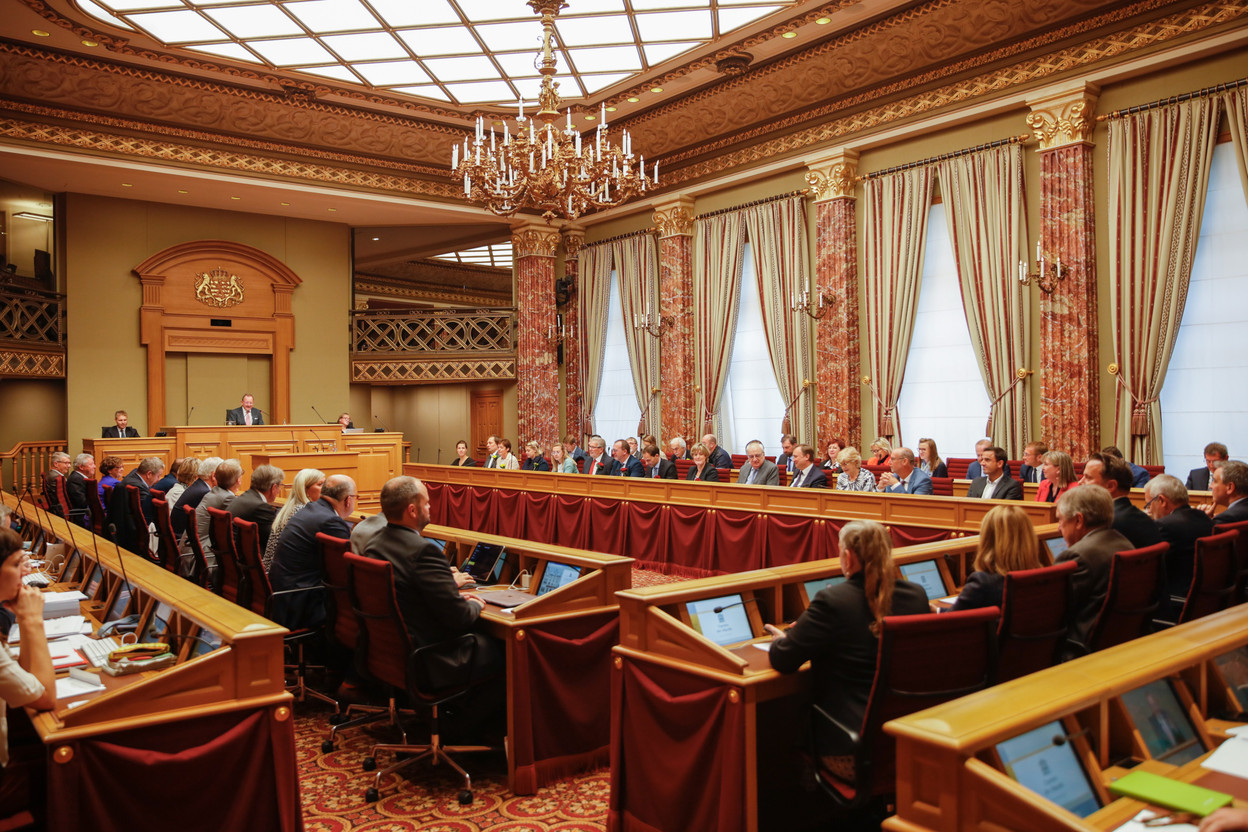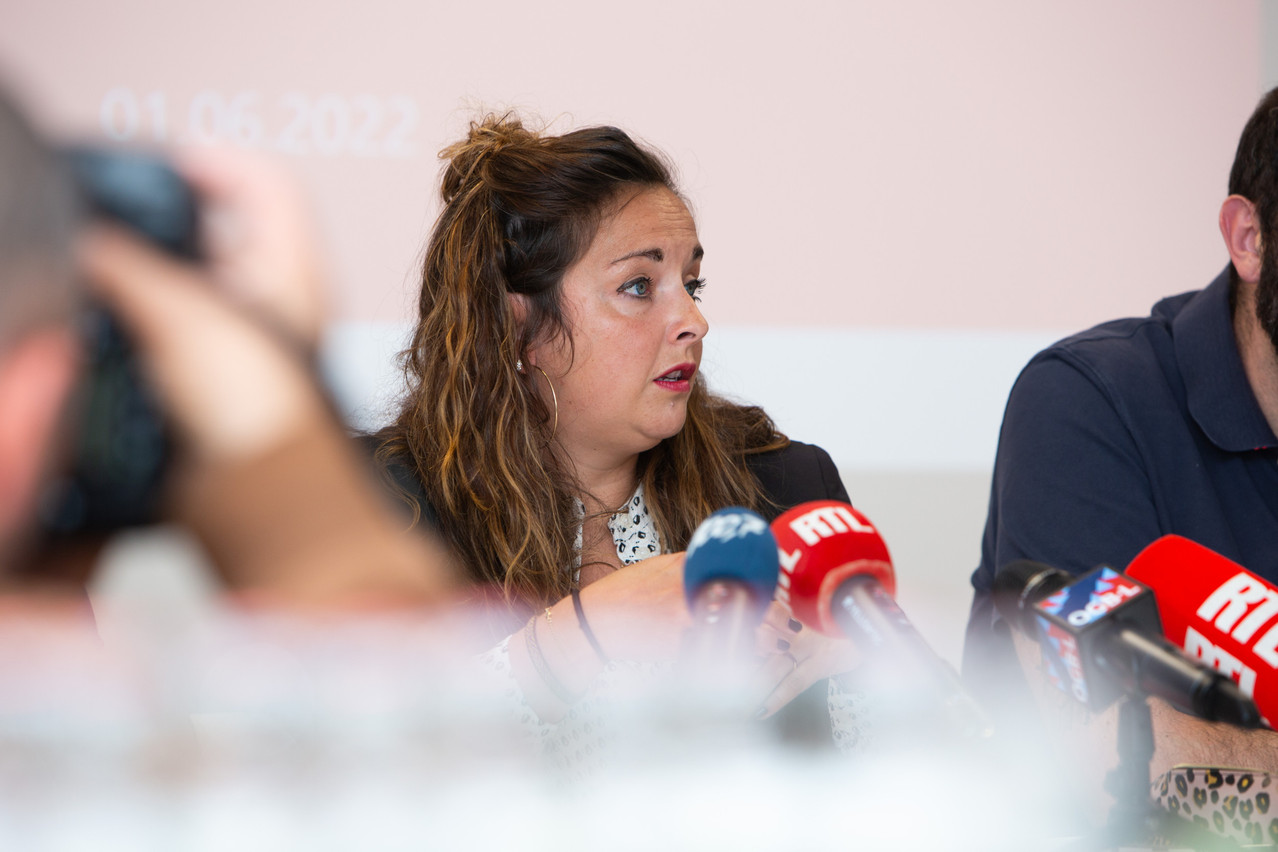
Parliament is preparing to pass a law to introduce a rent freeze as well as a tax credit for households to help ease the burden of rising energy prices. But more efforts are needed to support taxpayers, said the OGBL and ULC on Monday.
The two organisations said that they are “disappointed” that the government hadn’t even discussed freezing the prices of care and nursing homes. “This would not only contribute to slow down inflation but would also not burden families even more,” the OGBL and ULC said in a statement.
National statistics office Statec in May said that prices for care and nursing homes had risen 2% in April compared to the month before. It said this price rise was prompted by the payment of indexation at the start of April. The 2.5% wage increase to adjust salaries to inflation brought a wave of price increases, Statec said, meaning that the benefit of the extra money quickly shrinks.
Business groups like the UEL and Chamber of Commerce have long called for the indexation of wages to be abolished or reformed, saying it leads to spiralling costs as, when prices rise because of indexation, this in turn will trigger another index payment.
But unions like the OBGL have long defended the system, saying it upholds purchasing power of households.
The OGBL and ULC said there should be more transparency on how private care homes set their prices.
The groups also demanded banking fees to be frozen, saying they grew on average 15% in one year, and suggested that there should be a set amount for daily banking activities that are exempt from fees.
A report by banking sector association ABBL in April said that around 20% of banks based in Luxembourg are unprofitable. However, only a handful of the 123 lenders registered in Luxembourg cater to retail clients with many of the other institutions investment banks that require a certain minimum investment amount to open an account.
The OGBL and ULC have criticised the fact that banks for small-scale clients are increasingly moving online, closing bank branches or limiting opening hours in rural regions, making it more difficult for elderly customers or persons with limited mobility to access banking services. And while online services are often free, banks can charge extra for processing papers, such as transfer slips.