Particularly active--and now rewarded for its efforts--the alcohol lobby has ensured that the new European obligation to display information such as the product’s nutritional table and list of ingredients on wine bottle labels (in force since last December) will only apply from the 2024 vintage, whose harvest is currently under way. The measure will therefore not be retroactive.
Another success won in the corridors of Brussels is that, with the exception of the energy value per 100 millilitres, all these elements will be able to take the form of a single, discreet QR code, rather than being displayed in black and white text on the back of the bottle.
Positive for the consumer
There are two overriding feelings in Luxembourg about the fact that wine is now on the same footing as any other everyday consumer product. On the one hand, understanding. “Our position is more oriented towards the consumer’s point of view, who has the right to know what is in a foodstuff,” says the agriculture ministry, which organises numerous information meetings with the sector. These meetings are considered all the more necessary “in view of the many last-minute changes to the text made by the European Commission.”
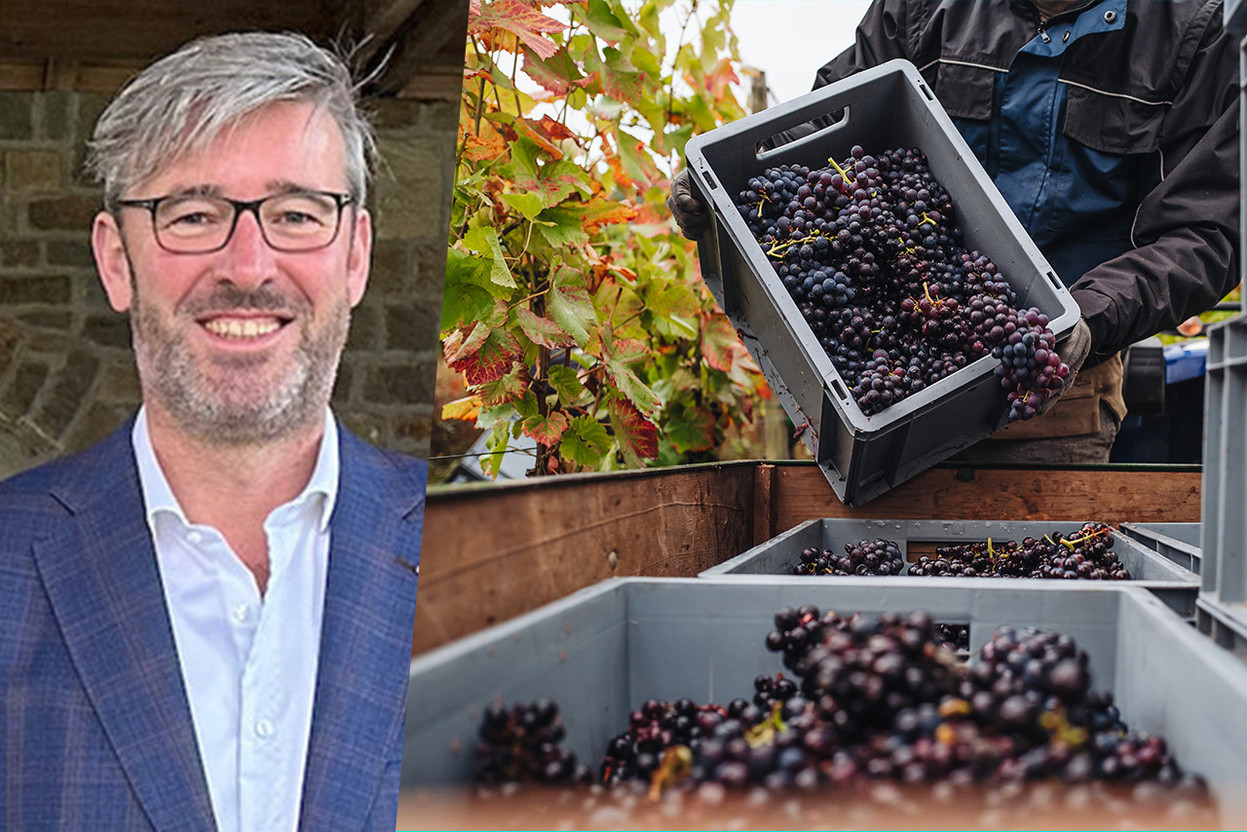
The same is true of Vinsmoselle, the cooperative of 170 winegrowers: “This regulation is good for the consumer, as it gives them more information and makes the product more transparent,” sums up its managing director, André Mehlen. “At European level, wine has always had a special position. Today, it is regarded as any other foodstuff. The question I ask myself is whether consumers will really go looking for information.”
Chemistry and extra work
Another question raised by the former head of the Appellation d’Origine Contrôlée (AOP) department and former wine inspector at the Institut Viti-Vinicole (IVV) is the list of ingredients. “If you write the names of ingredients as text, it takes up space. And if you use a code, it’s going to look chemical. To balance the wine, for example, you can add citric acid. That will have to be declared. But how will the customer react if you write ‘E something’?”
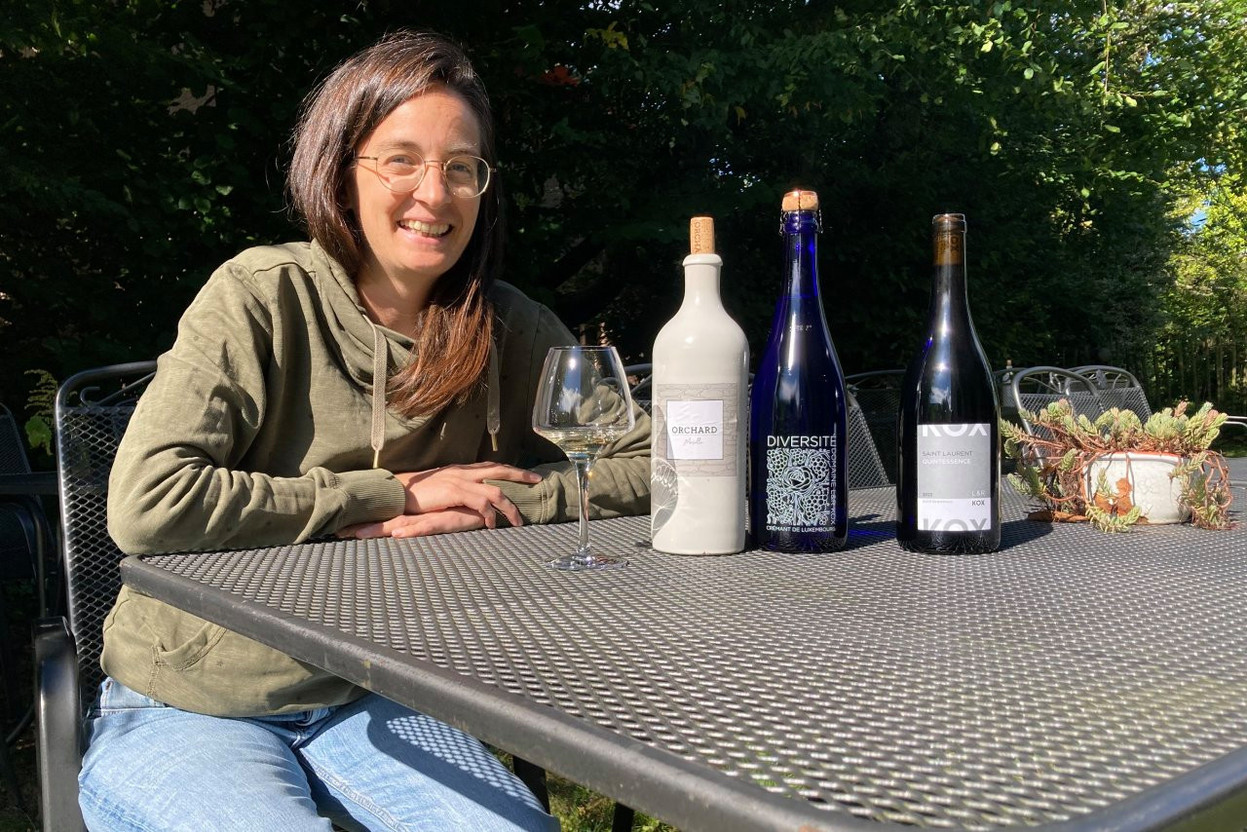
Corinne Kox, manager of the eponymous estate in Remich and one of around 30 independent winegrowers in the country, agrees. “From the consumer's point of view, it's a very logical decision. But for us small winegrowers, it’s just one more task. It won’t simplify administration. On the contrary, it’s getting more complicated. For a small business, it’s enormous.” And that’s the other overriding feeling: mistrust of this text.
“With three wines, these regulations are fairly easy to implement,” Kox explains. “But with fifteen grape varieties, as is our case, things are different. Our philosophy is to experiment. But I’m afraid of making mistakes, we’re still human. And if I do, how will these errors be punished?”
Tobacco kills. What about wine?
Mehlen of Vinsmoselle also wonders about what to expect from this tightening of the screws. Will there soon be deterrent messages such as ‘Alcohol kills,’ as there are for tobacco on cigarette packets? Brussels seems keen to move in this direction... “We’re worried that the EU will put wine in such a box. But our position is clear: we want people to enjoy wine as a pleasure, not as a way of getting drunk. We even say: ‘Drink in moderation.’ I fear that the introduction of such warning messages will cause us more problems in the future.”
A wealth of information
In the meantime, what will be in the famous QR code that Luxembourg campaigned for, instead of a text printed on the label, as soon as Brussels looked into the matter? In an informational note, the IVV sets out the new details required of professionals. These include:
- Energy. In other words, the KJ and kcal per 100 ml. The standard value is around 80 or 90 kcal/100 ml, or roughly the equivalent of half a handful of peanuts or a mouthful of chocolate bar. The QR code alone will not be enough; this information will have to appear on the label.
- The list of ingredients. This includes grapes and concentrated grape musts, acidity regulators, stabilisers, gases and packaging gases used, preservatives and antioxidants, as well as allergens. The latter must also be accessible from the label.
- The nutritional table. A familiar little chart detailing the proportion of carbohydrates (including sugars), fats (including saturated fats), proteins and salt.
The other compulsory information remains unchanged, i.e., the regulatory category of the product (wine, sparkling wine, semi-sparkling wine, AOP, protected geographical indication, etc.), the environmental logo, the capacity, the origin, the percentage of alcohol, the place of packaging and the bottle identification number. A whole novel.
This article was originally published in French.