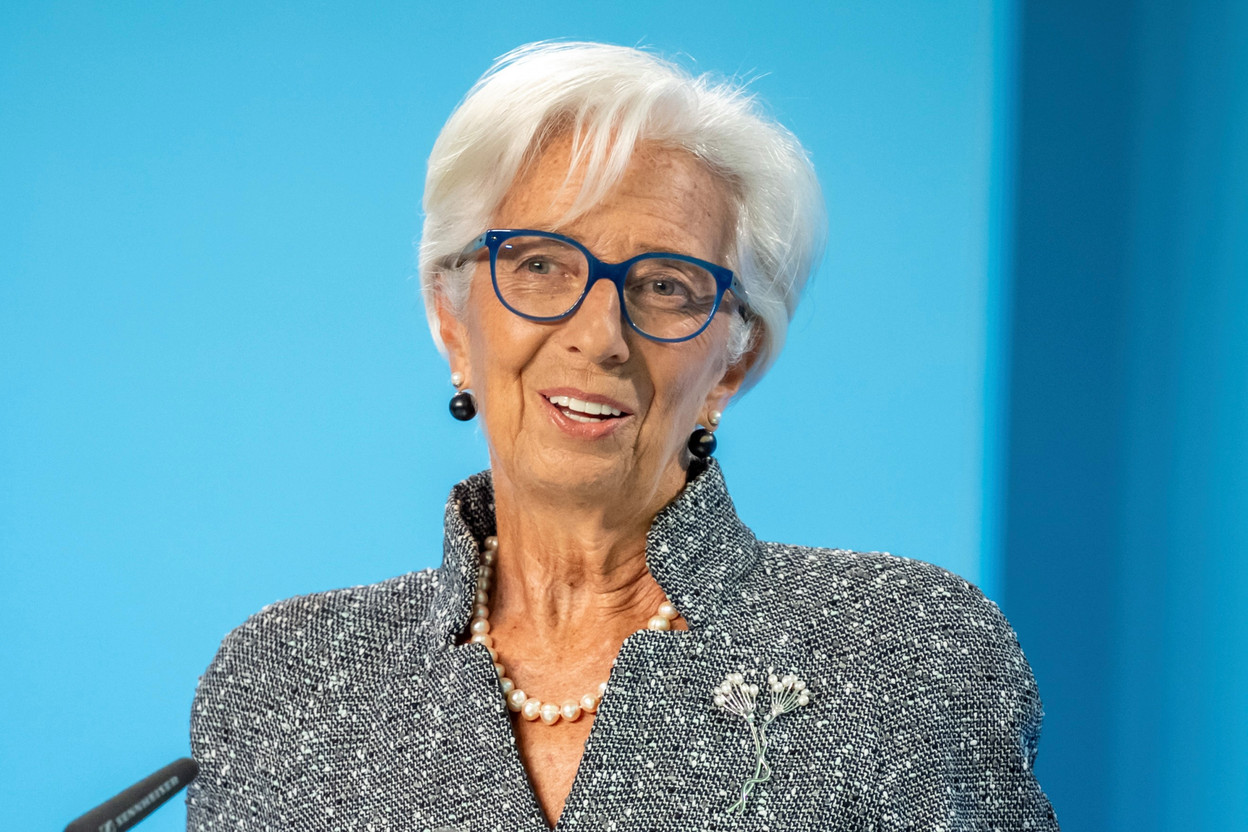
Katharine Neiss, chief European economist for PGIM Fixed Income, a global asset manager specialising in fixed-income investments and managing over $830bn for institutional and retail investors, in an interview with Paperjam on 18 February 2025. She stated that while labour markets were resilient and inflation-adjusted incomes had recovered from the recent energy shock, rising energy prices in early 2025--due to relatively low storage levels and colder winter weather--would likely push inflation higher later in the year. Inflation was expected to remain above the European Central Bank’s 2% target.
Three more rate cuts
The ECB had already lowered key euro area banking rates by 25 basis points in its first meeting of 2025 on 30 January. Neiss expected the central bank to continue its rate-cutting cycle with three additional 25-basis-point reductions, bringing benchmark interest rates down to 2.0% by June. This followed a similar scale of policy easing in 2024. She stressed that the cuts would be gradual as the ECB sought to balance inflation risks with economic growth concerns.
Recession risks and trade tensions
Despite the anticipated rate cuts, Neiss warned that “the biggest risk facing the eurozone is a potential recession.” She described the situation as a “perfect storm” of cyclical and structural headwinds, where interest rates, although declining, remained in restrictive territory.
Trade tensions with the United States posed an additional threat to European growth. Neiss highlighted that the EU was far more dependent on trade than either the US or China, with total trade accounting for approximately 45% of GDP, compared to 35% for China and 25% for the US. She cautioned, “Given the importance of trade to the EU economy, the impact of higher tariffs imposed by its largest trading partner would be more severe. These headwinds could exacerbate job losses and hit investor sentiment.”
Stagflation
“A lesser but notable concern is the risk of stagflation,” remarked Neiss. She argued that recent inflation spikes in Germany and France indicated that the risk of persistently high inflation combined with weak growth was still present. She noted that such a scenario could dampen investor confidence further, compounding economic challenges.
However, not all indicators were negative. Despite these pressures, Neiss highlighted economic diversity across the eurozone as a stabilising factor. She noted that peripheral economies, including Spain, Portugal and Greece, were experiencing growth rates that, in some cases, rivalled those of the US. Projections for these economies had been revised upwards, accompanied by credit rating upgrades. She added that bond yield spreads between peripheral and core eurozone government debt could tighten further, reflecting increased investor confidence in these regions.
The next ECB rate-setting meeting for the euro area is scheduled for 6 March 2025.