In practical terms, how is your generation changing the way business is done in your sector?
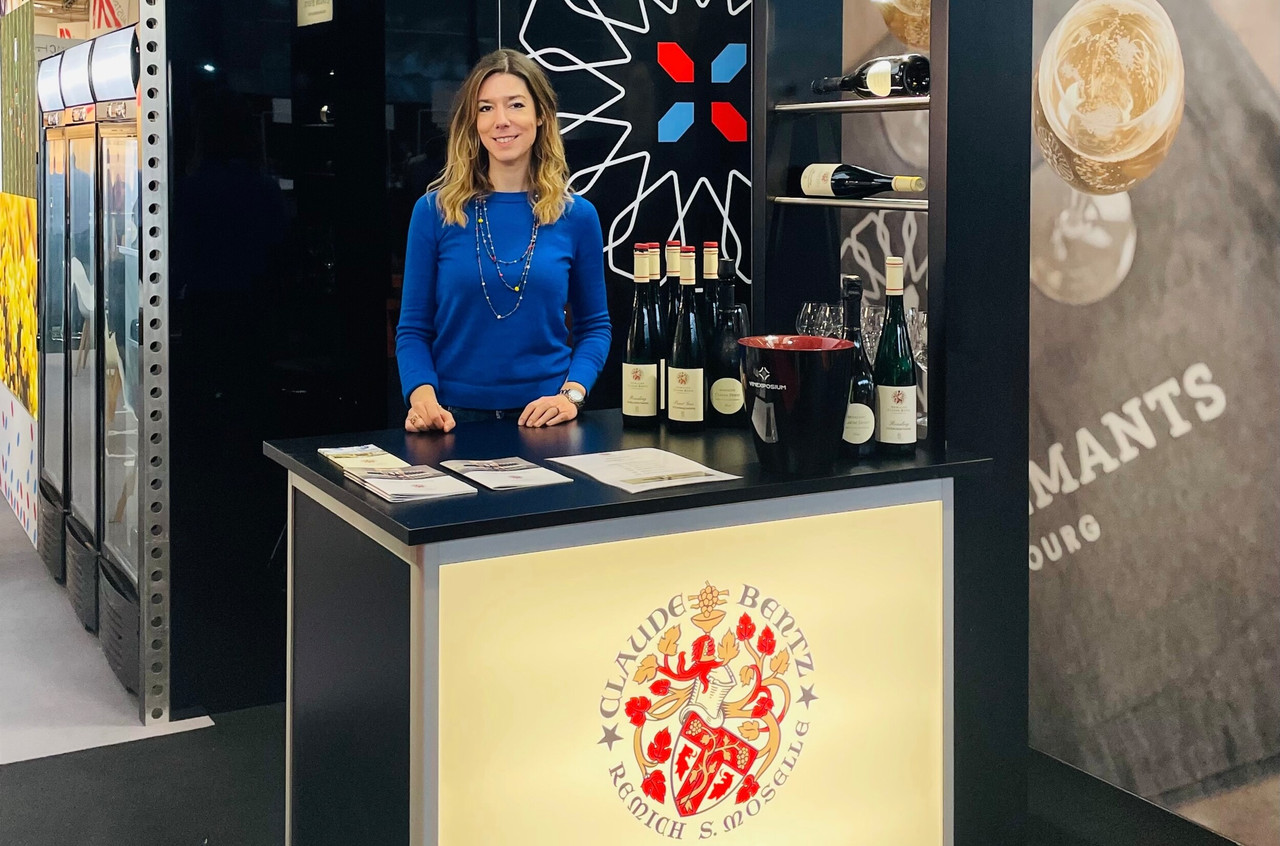
Carole Bentz. – “I think our generation works in a more focused and agile way. In the past, winegrowers used to have a strong presence at major general trade fairs, such as the Foire de Printemps at Luxexpo The Box, where they would sometimes spend nine days on site in order to reach a very wide audience.
These days, we’re looking for smaller, more specialised formats that really reflect our customer base and our identity. This allows for more meaningful and authentic interactions.
Generally speaking, our generation is also more open to collaboration, digital communication and creating experiences centred around wine. We no longer think solely in terms of production, but also in terms of branding, history and our relationship with the consumer.
Have wine tourism and cultural events become essential drivers of development?
“Yes, definitely. These days, simply selling wine isn’t enough; you have to offer a genuine experience centred around the product. Wine tourism allows us to forge a direct connection with the consumer and draw them into our world. Cultural events, tastings and collaborations with other local stakeholders also help to make wine more accessible and vibrant.
How have consumer expectations changed in recent years?
“Consumers today are better informed, more curious, but also more demanding. They want to understand what they are drinking: the product’s origin, production methods, environmental impact… There is a genuine desire for authenticity and transparency.
We’re also seeing that people are increasingly looking for a complete experience. They want to visit the winemaker directly, understand the whole journey of the wine – from the work in the vineyards to the various stages of production – and then discover the final result in the glass.
And in Luxembourg, we’re lucky in that consumers can easily get in touch with the winemaker. The lines of communication are short, and the exchanges are direct and very personal. This closeness allows customers to really discover our craft, our philosophy and the whole winemaking process. Ultimately, we may be drinking less than before, but we’re drinking better, with a greater appreciation and interest in what lies behind the product.”
Join us for the latest edition of Paperjam Together, focusing on economic transformation, entrepreneurship and the impact of artificial intelligence on business models. Sign up now!
This article was originally written in French, translated and edited for the Paperjam website in English.
