When was ODL established?
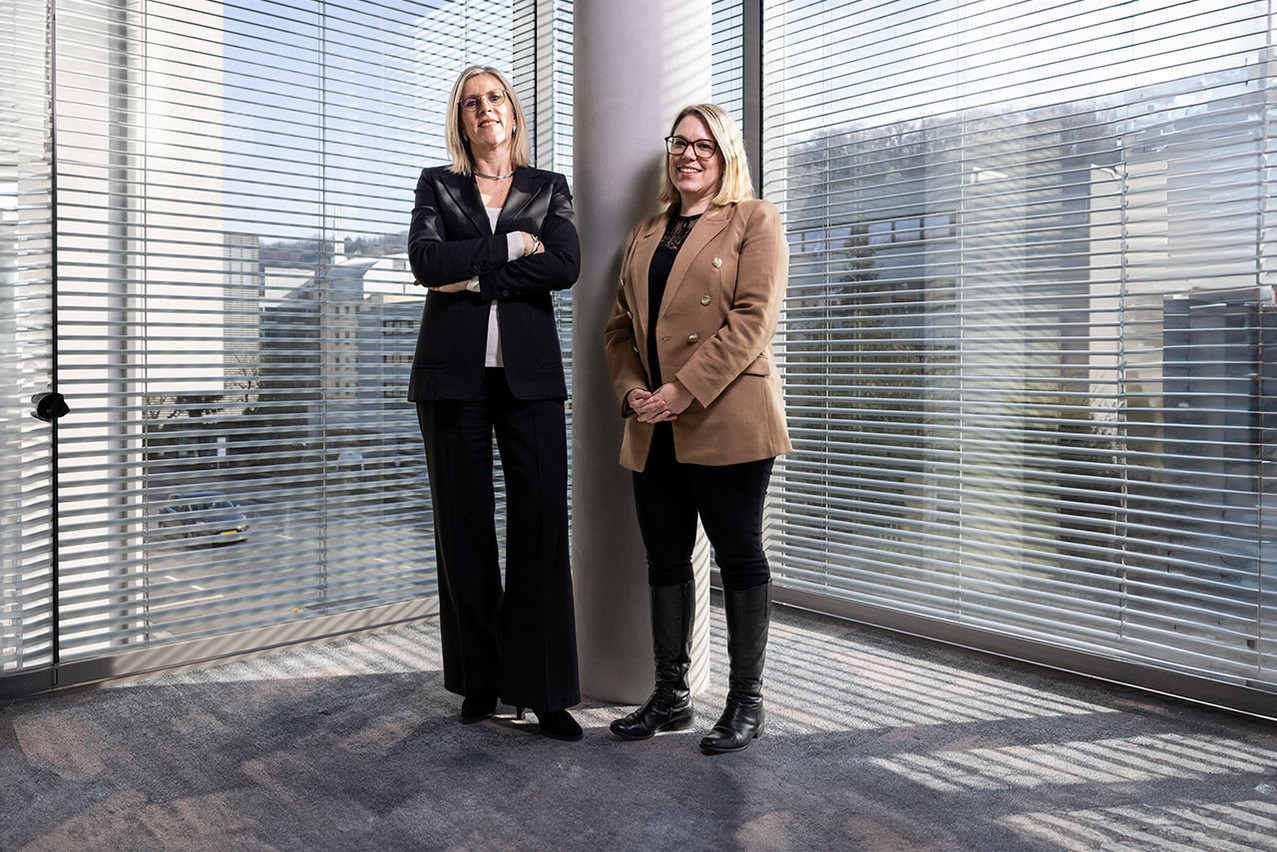
Simone Joachim, CEO of ODL: Export credit insurance was set up in neighboring countries just after World War I to conquer foreign markets. Our steel industry companies, feeling disadvantaged compared to neighboring competitors, approached the government to create a Luxembourg public credit insurer.
While the government recognized the value of this initiative, proposing such a solution at a national level seemed unfeasible due to a lack of experience and the high risks for the state as an insurer. In 1948, our government approached its Belgian counterpart to extend these services to Luxembourg. Belgium, which already had the ONDD, invited our country to set up its own structure. In the 1950s, a bill was introduced to create this structure, associated with the ONDD. In the early 1960s, Belgium agreed to cooperate, so we included commercial risks in addition to political risks and expanded coverage to all foreign trade operations.
What have been the main developments since its creation?
S.J.: In the 1970s, during the oil crisis, we received many requests from businesses. This prompted us to raise the funding and the commitment limits. In 1981, we added the possibility of covering risks on behalf of the state during crises. With interest rates rising very quickly, neighboring countries set up a rate stabilization system, guaranteeing banks financing businesses a fixed rate. We signed our first cooperation agreement with COPEL, which then took on this role for us.
The creation of the single market in 1993 introduced changes for public credit insurers. We could no longer cover risks with credit terms of up to two years in industrialized countries. We therefore partnered with the private insurer COBAC (now Allianz Trade) and jointly set up a co-insurance policy to cover the entire world. 27 years ago, we wanted to bring expertise to Luxembourg and expanded the local team. We therefore stopped collaborating with the ONDD in 2017 and modernized our structure in 2020 with a board of directors, staff, a building, COPEL integration, a credit committee, and more.
What are the proposed solutions?
Danielle Wirtz, deputy CEO: While our mission has fundamentally not changed, we have expanded our product range to better help exporting companies grow. We are evolving our solutions, both for exports and imports.
We first cover the risks of exporting companies for the short, medium, and long term, as well as during crises, whether they need bank financing or not. We also offer pre-financing insurance to companies that need to purchase parts or materials abroad for production. Lastly, we insure investments abroad.
What influences our products are the accumulating and increasingly strict regulations. It’s becoming more difficult for companies to have credit lines from banks. The advantage of credit insurance is that it allows companies to keep less capital in equity and reinvest more. We also cover banks with products like bank credit insurance and guarantee commitments insurance, which protects the bank against non-repayment.
Our second area concerns the financial aids we offer companies to find new markets and customers abroad. These aids are decided by COPEL and can be used to participate in a trade fair, design promotional materials, conduct market studies, register certifications, and more. S.J.: Regarding insurance solutions, we have three possibilities: we cover risks with state guarantees, during crises we intervene on behalf of the state, and finally, we intervene without the state guarantee.
Who are these solutions aimed at?
S.J.: We target all exporting companies, regardless of their size. Whether they sell services or goods, they must absolutely operate internationally. We simply distinguish between aid for young and micro-enterprises and aid for larger companies. We exist to promote businesses with tailored solutions.
ODL in Numbers
153
companies requested assistance in 2024
587
requests were submitted throughout the year
€2.3
million in export aid was granted
€1.3
billion was insured
€3.6
million was compensated
€1.5
million was recovered by ODL
For more information, visit www.odl.lu