Much more than just a body of water, the ocean is the lungs of our planet: it provides 50% of our oxygen, is home to 80% of biodiversity and feeds 3 billion people. It is also a true climate regulator, absorbing 90% of the excess heat and 30% of the CO2 linked to global warming. Marine ecosystems, particularly mangroves, are exceptional carbon sinks, absorbing up to 20 times more of the gases accumulated in the atmosphere than temperate forests, while algae store five times more.
Luxembourg is hosting the Alimenterre Festival for the first time, from 6 November to 6 December. Among the five documentaries selected for this year's festival, the film "From the plate to the ocean" explains the impact of fishing, industrial livestock farming, the use of pesticides and chemical fertilisers and the transport of goods on the ocean. It's an opportunity to reflect on the consequences of our food choices on this vast surface that covers more than 70% of our planet.
Despite its essential role, the ocean today faces many threats linked to human activities. Industrial fishing, stimulated by a growing demand for seafood, has been identified as the main cause of the destruction of marine ecosystems.
In half a century, global fish consumption has doubled, driven by a number of factors: the shift from red meat to fish, advances in refrigeration and transport, the rise of sushi, and health arguments promoting the benefits of fish.
According to the European Commission, Luxembourg residents eat an average of 33.7 kg of fish per person every year, making them among the biggest consumers in Europe, behind France, Malta, Spain and Portugal, which, unlike Luxembourg, have direct access to the sea. It therefore takes some 22m kg of fish a year to satisfy the taste buds of Luxembourg residents.
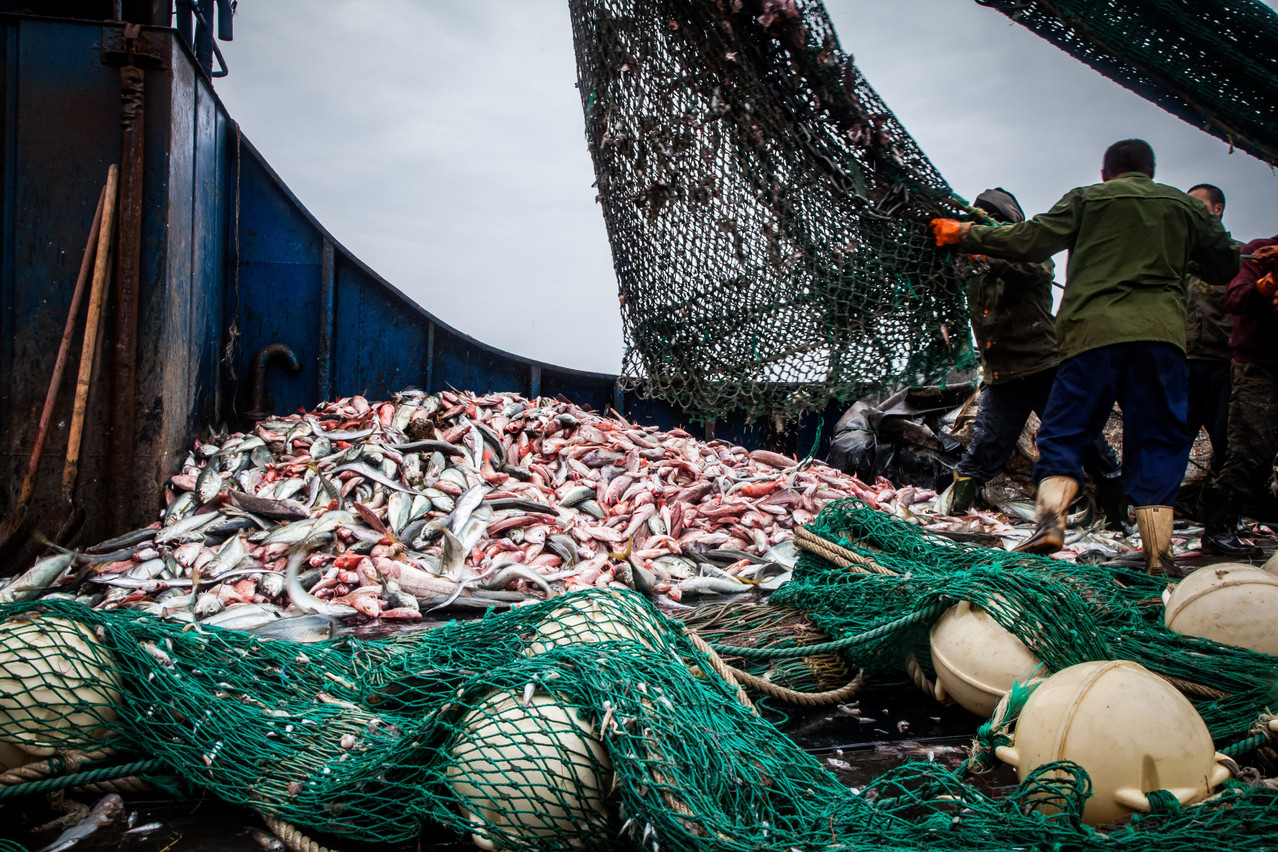
This insatiable appetite for fish has led the fishing industry to resort to increasingly unorthodox practices, such as bottom trawling. This process, which involves dragging gigantic nets across the seabed, destroys countless habitats of marine species. Turtles, dolphins, seals, whales and sharks are among the collateral victims. It is estimated that up to 200 million sharks are killed each year by bycatch, or around 3,000 per minute. For every kilo of shrimp caught, up to 10 kg of other species are accidentally caught.
Environmental cost of fishing
Faced with overfishing and the depletion of wild fish stocks, aquaculture - the farming of fish and shellfish - has developed rapidly to meet growing demand. According to the FAO, 50% of the world's aquaculture production comes from this practice, particularly species such as salmon, sea bass and sea bream. However, aquaculture is not without environmental consequences: organic waste from fish farms decomposes and releases methane, a greenhouse gas 80 times more potent than CO2, exacerbating global warming, which is already exacerbated by diesel emissions from fishing boats.
The result of this global warming is a rapid rise in water temperatures, which have doubled in speed over the last 20 years, accelerating the rise in sea levels. At the same time, ocean acidification, due to the massive absorption of CO2 by seawater, poses a direct threat to many marine organisms. This phenomenon is so worrying that it is now considered to be the seventh imminent planetary limit to be crossed, alongside threats such as the erosion of biodiversity, changes in land use and the introduction of new chemical entities into the biosphere, such as endocrine disruptors.
In addition to its ecological impact, industrial fishing has disastrous socio-economic consequences. In particular, it deprives millions of people living in coastal areas of their main source of food and income, driving them into exodus.
Read also
More plastic than fish
Plastic pollution is also choking our oceans. Every minute, around a million plastic bottles are bought around the world, a large proportion of which end up in the ocean. They then break down in the water into microplastics. Ingested by marine fauna, these tiny particles make their way up the food chain to our plates, with potentially dangerous consequences for human health.
The formation of a "seventh continent" of plastic in the Pacific Ocean, made up of plastic waste accumulated by ocean currents, is evidence of the scale of plastic pollution. By 2050, there could even be more plastic than fish in the oceans, according to a report by the Ellen MacArthur Foundation.
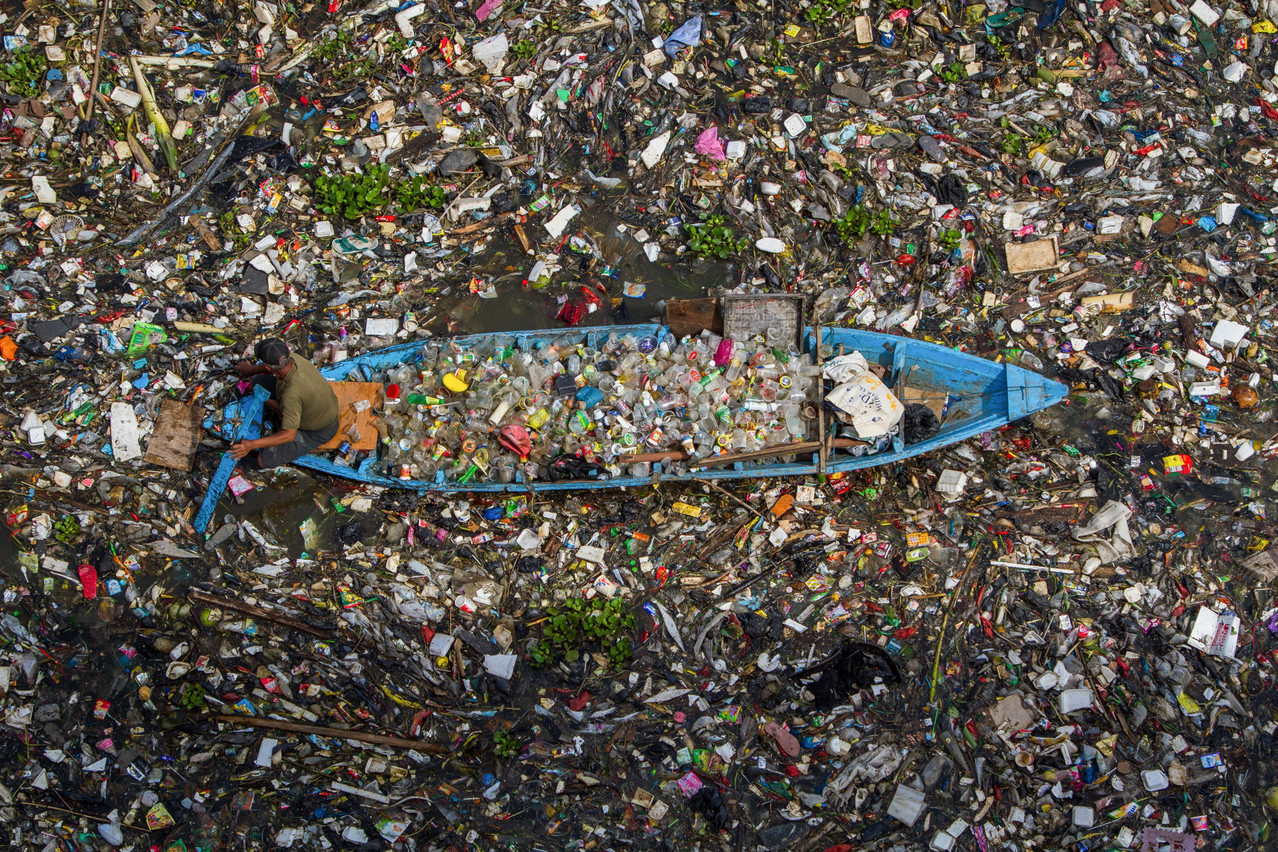
The "plastic soup" of the North Pacific, covering 1.6 million km², contains 1.8trn pieces of debris, mainly microplastics, accumulated by ocean currents, weighing 80,000 tonnes. Photo: Shutterstock
While the situation is alarming, concrete changes are slow to materialise. Why is this? The economic equation is simple: plastic, derived from oil, is cheap to produce. This makes it particularly attractive compared to alternatives such as glass, metal or biodegradable materials.
According to a WWF report, it is now ten times more expensive to manage a kilo of plastic than to manufacture it. According to the United Nations Environment Programme, the recycling rate for plastic is only 9%. While companies like Rosport are committed to finding sustainable solutions, the transition to a circular economy will require considerable, coordinated effort from all the players involved.
Read also
Ocean of wealth
The fishing industry is a global economic giant. According to the FAO, it generates around $400bn in annual revenue. It directly employs nearly 60m people, and including indirect jobs, over 200m people depend on the sector. Fish products are among the most widely traded foodstuffs on the planet, with a commercial value in excess of $150bn a year.
More than just an economic sector, fishing is a pillar of global food security, providing 17% of the world’s total animal protein consumed. Its importance is even greater in coastal countries, where it can account for up to 70% of animal protein intake. Faced with these economic and social challenges, governments are faced with a Cornelian choice: prioritise the health of the oceans at the risk of undermining local economies, or maintain the status quo at the expense of future generations.
While public authorities have a central role to play, everyone can take action on a daily basis to eat more responsibly. Reducing meat and fish consumption, favouring plant-based proteins and supporting local and seasonal fishing are all simple and effective actions. In the end, it's just a short step from fork to sea.
The second part of this “Food of the future” series, published on Tuesday will focus on combining past methods and technologies. Read the original French-language version of this report here.