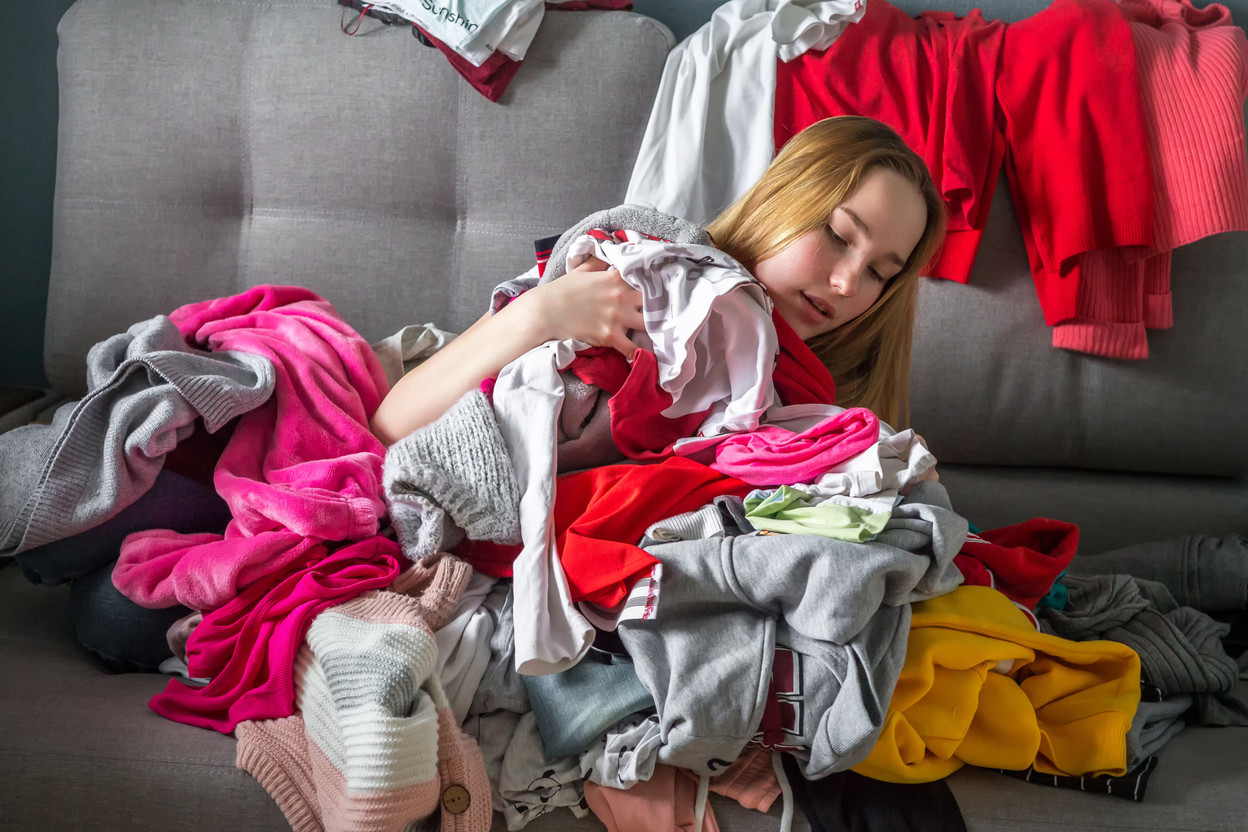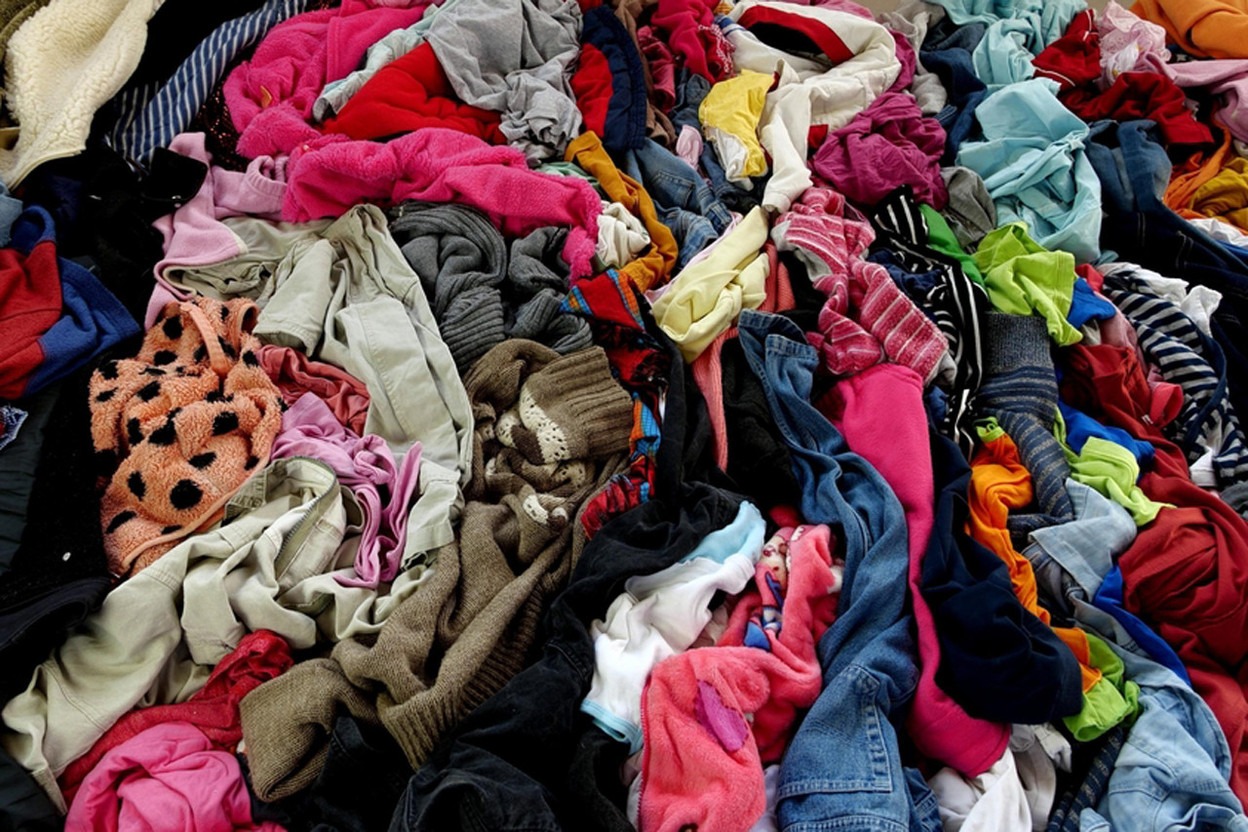
Buying clothes has become almost second nature, but the figures are staggering. In Luxembourg, residents throw away around 12 kilos of textiles per year (compared to a European average of 16 kilos) and buy nearly double that amount, or 24 kilos, according to data from Lët’z Refashion and the Environment Agency. A large proportion of this waste still ends up in household bins.
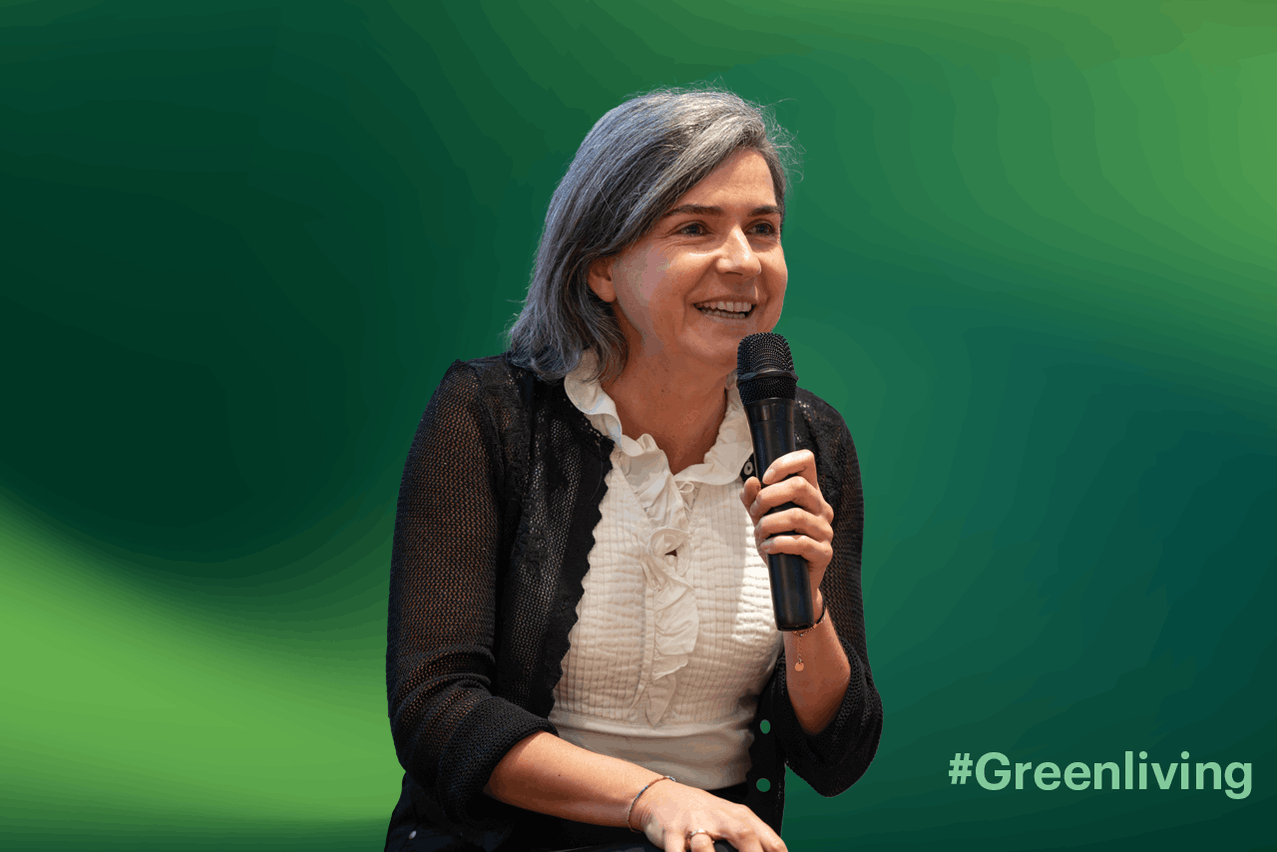
However, buying “sustainably” doesn’t necessarily mean relying on expensive labels. For Ana-Luisa Teixeira, the department manager at Lët’z Refashion by Hut-Hëllef um Terrain, the starting point lies elsewhere: “Our philosophy is to extend the life of a garment.”
The real problem: buying too much, too quickly
For Ana-Luisa Teixeira, the problem lies not only in the quality of the textiles, but also in the pace of our consumption. “We consume 60% more than we did 15 years ago.” This trend is fuelled by constant social pressure. “You can’t wear the same thing more than once. We women, in particular, know this pressure all too well.”
The result is a system that encourages constant renewal. “There are brands where you’ll find something new every week. So, inevitably, that encourages overconsumption.” These days, the average lifespan of a garment is just six months.
A striking contrast to the clothes of yesteryear: “If you look at vintage clothing, it’s from our grandmothers’ time. The quality of the garments was such that we can still wear them today.”
Start by using what you already have. That’s the first thing.

A golden rule for avoiding impulse buying
To avoid clothes gathering dust in the wardrobe – around 30% of our wardrobe is never worn, according to European data – the expert suggests a simple rule: take a step back.
“When you’re looking at an item, if you leave the shop and still want it the next day, I’d say you’re better off buying it.”
But that timeframe isn’t enough. You also need to think about how you’ll use it. “You really need to see if it goes with the other pieces.” The key question then becomes: “How often are you going to wear it?”
If the item is linked to a passing trend, Ana-Luisa Teixeira is clear: “It might not be worth buying. Or, if you do, don’t buy it new. You can borrow it or buy it second-hand.”
A capsule wardrobe: organising your wardrobe to buy less
When it comes to organising your wardrobe, the concept of a capsule wardrobe – a limited number of interchangeable items – is a useful approach. Ana-Luisa Teixeira considers it “very clever”, whilst pointing out that it depends on each person’s lifestyle.
The aim remains the same: that every item of clothing should serve a real purpose and be worn regularly.
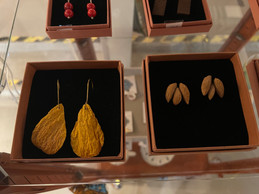
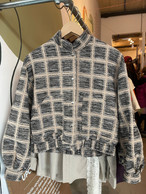
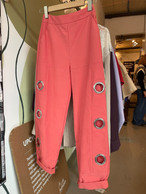
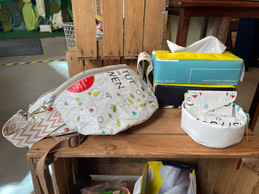
Second-hand, upcycling, restyling
The facelift and the exchange
“Make do with what you’ve got. You can always borrow from someone else. Young people do that a lot amongst themselves.”
Second-hand
“Using something that’s already on the market is a very positive step. But second-hand goods won’t solve the problem of overconsumption. Not on their own.”
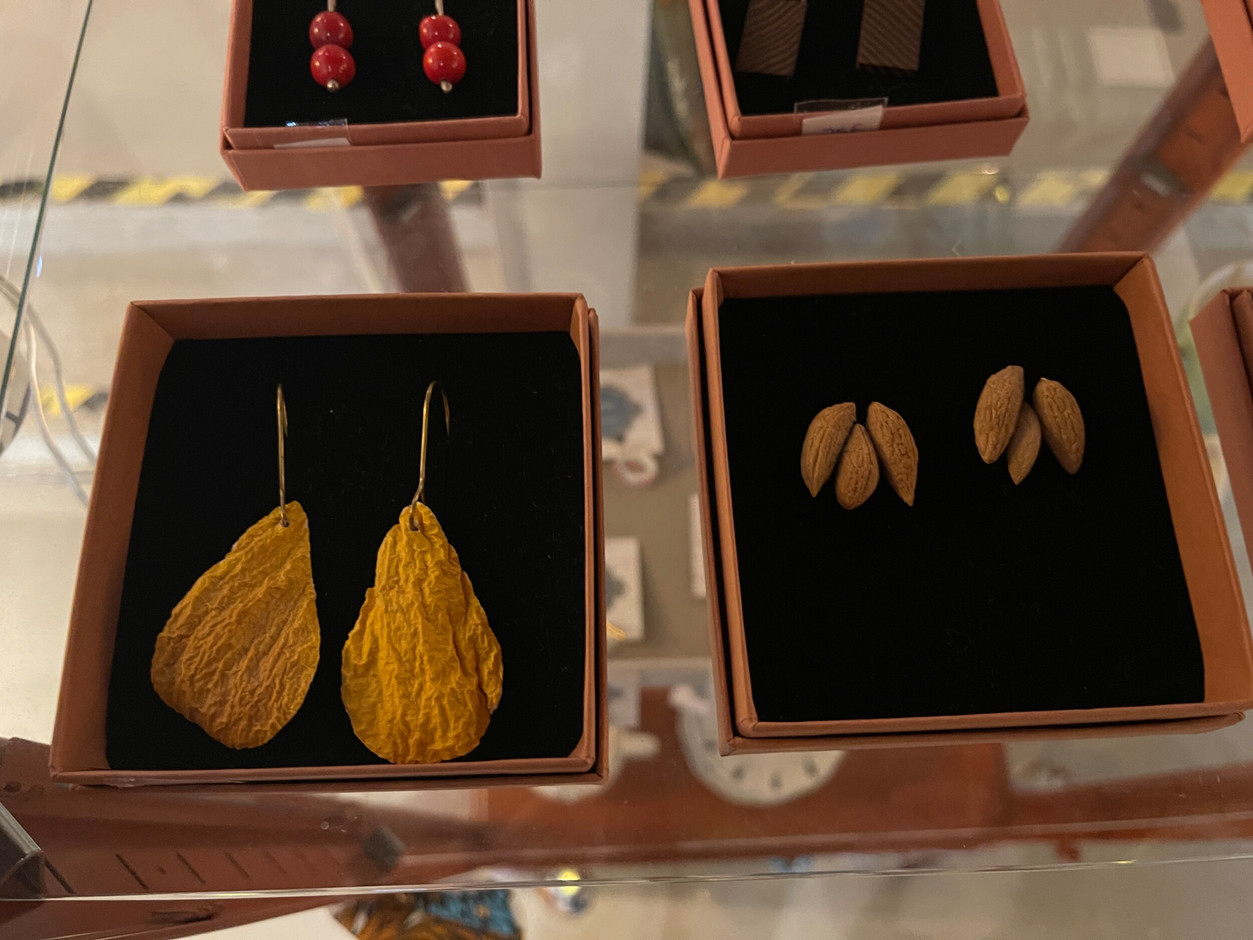
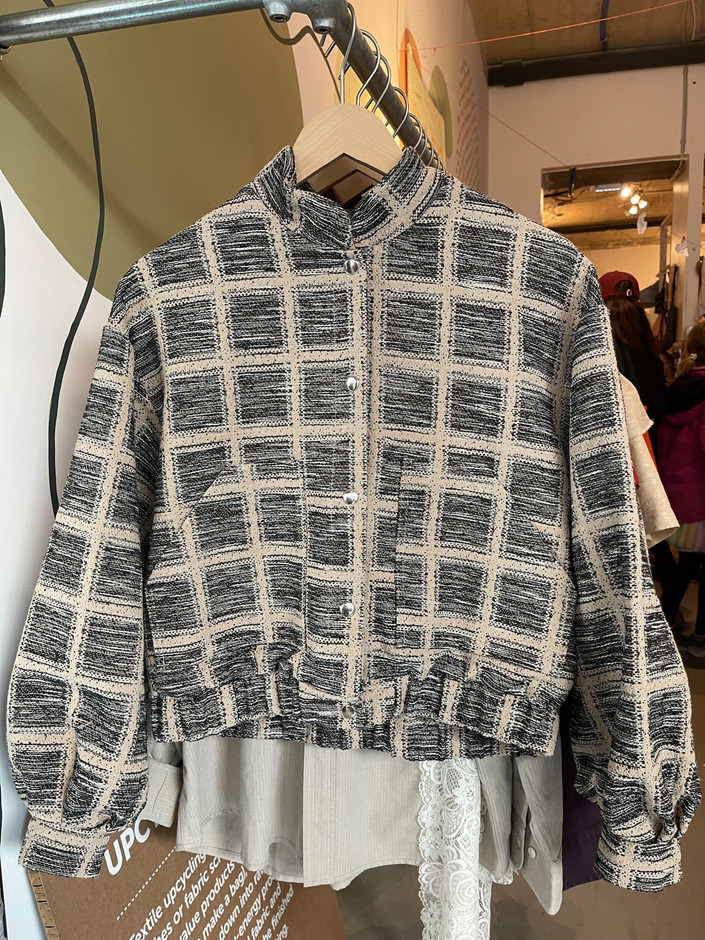
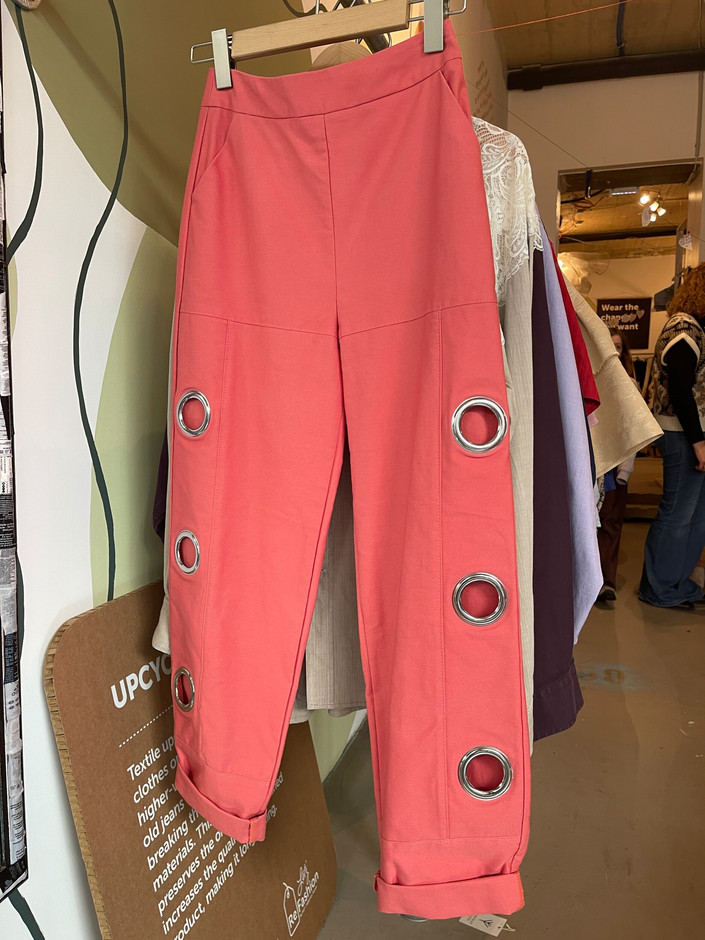
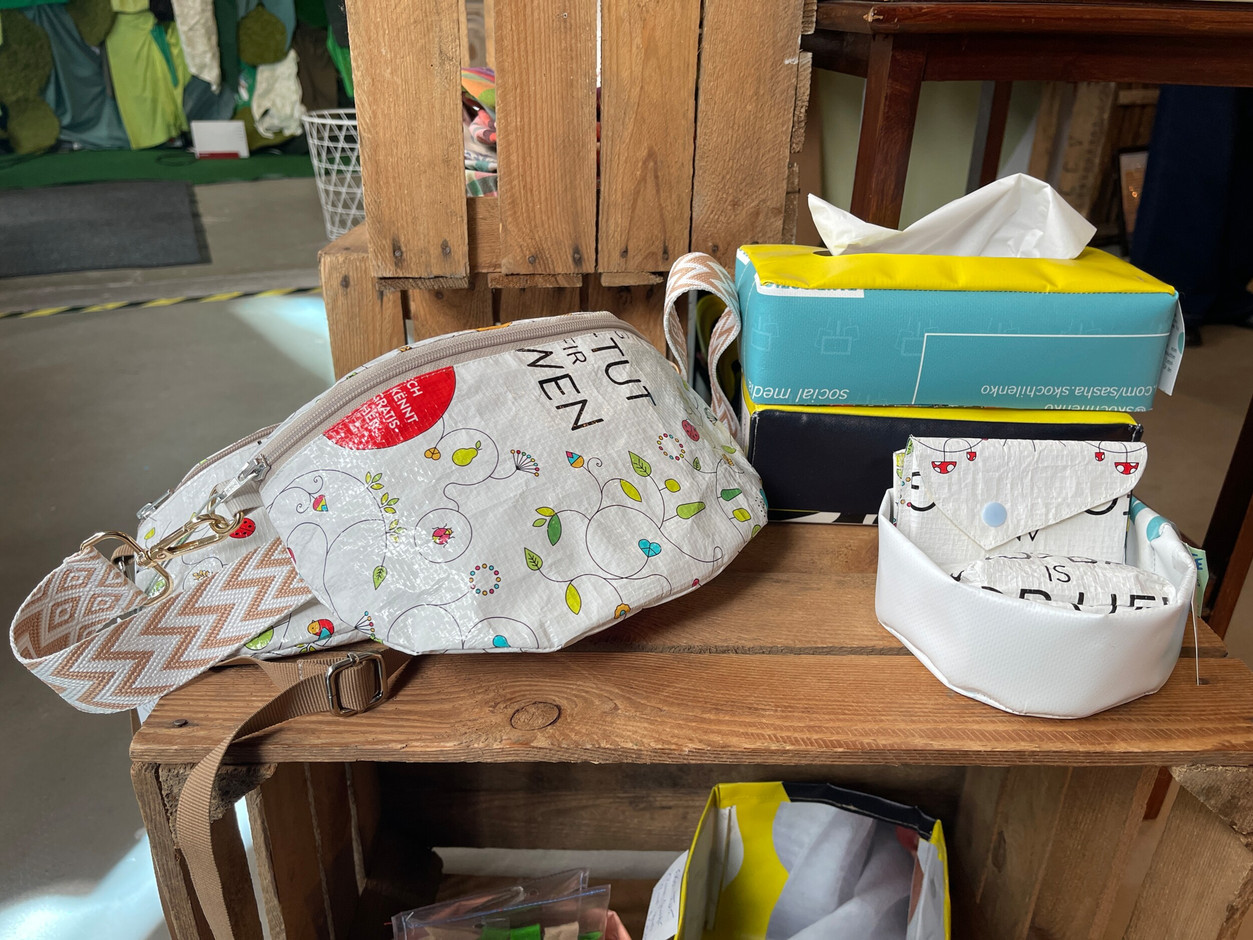
Upcycling
It’s not just a matter of making a slight alteration to a garment. “Your trousers are going to be turned into a lamp. That’s upcycling.” She also points out: “You don’t need to buy new items to do upcycling.”
A study conducted in collaboration with the List shows that These practices can reduce the environmental footprint by up to 87% compared with a new product.
Less maintenance for a longer lifespan
Making clothes last also depends on how you care for them – and that’s often where people make the most mistakes. “Washing is the main factor that will damage a garment,” points out Ana-Luisa Teixeira.
The simplest solution is to reconsider how often you wash your clothes. “You don’t need to wash them that often.” There’s a bit of an overreaction going on today.”Contrary to current habits, many items of clothing can be worn several times. Sometimes, simply airing them out is enough to get rid of odours.”
Temperature also plays a key role. “Temperatures above 30°C will start to cause increasing damage,” she explains. Washing at a low temperature therefore helps to preserve the fibres and minimise wear and tear.
Another point that is often overlooked: drying. “You mustn’t put them in the tumble dryer.” Tumble drying significantly accelerates the deterioration of fabrics.
Some habits could also be reconsidered. “You don’t need to wash a pair of jeans every week.” Here too, washing them less frequently helps to extend the life of the garment without compromising its usability.
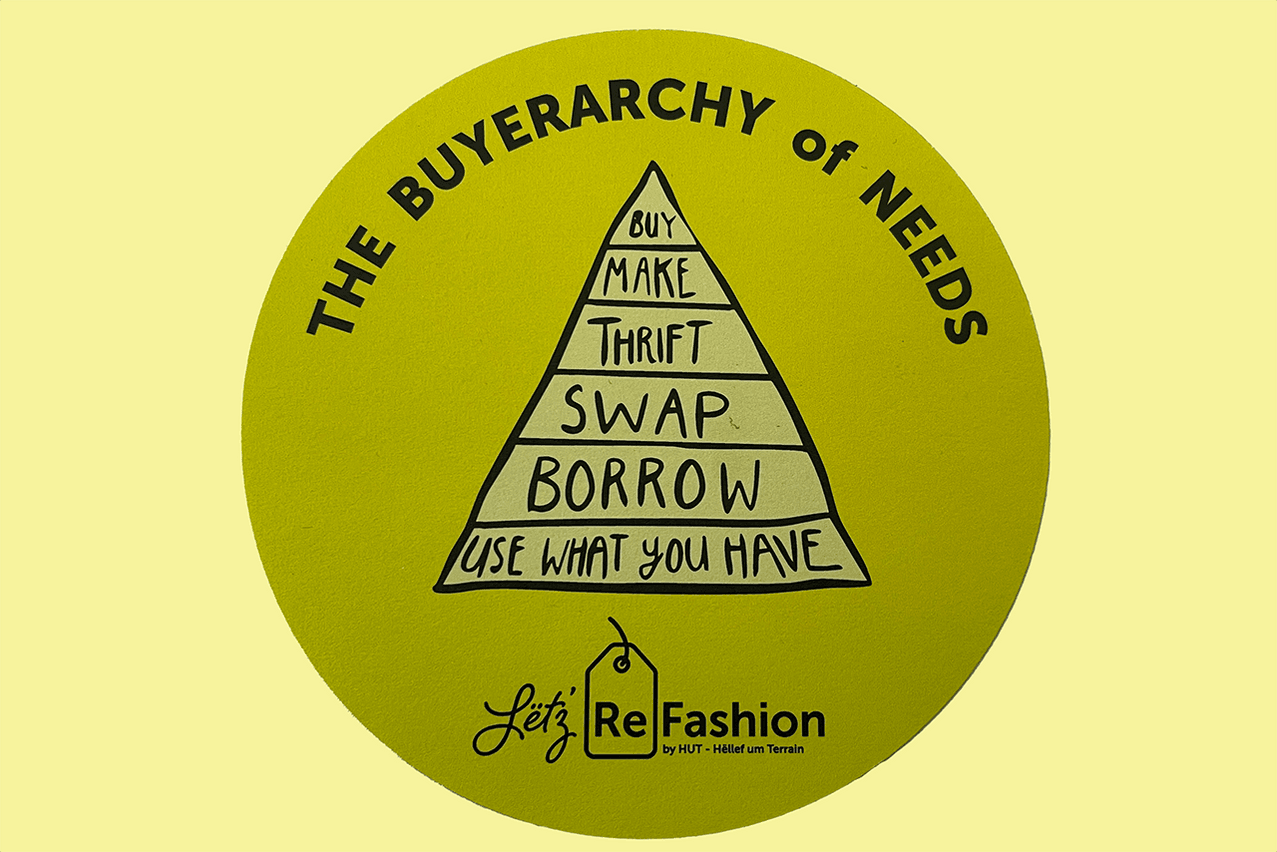
When it comes to responsible consumption, the golden rule is simple: use what you already have, borrow, swap, buy second-hand or make it yourself. Buying new should be your very last resort. (Illustration: Lët’z Refashion; montage: Paperjam)
Charity: where should you donate to ensure your money is put to good use?
Putting clothes in a collection bin does not guarantee they will be reused locally. “They’ll be sent abroad and resold. We lose track of them.” In some cases, they may end up in overburdened recycling networks abroad, particularly in Ghana.
For those who wish to focus on making a more local impact, other options are available. Certain organisations, such as Spëndchen (Jemp Schaffen), facilitate direct redistribution within Luxembourg, particularly to people in precarious circumstances or in shelters.
Resale, second-hand and end-of-life: what should you do?
Consignment shops are another attractive option. They allow clothes to be put back into circulation, whilst extending their lifespan within a local network.
Finally, resale platforms can also be used. Whilst they are not a perfect solution – they can sometimes encourage a new form of overconsumption – they are still a better option than simply throwing things away.
And as for parts that are too badly damaged: “If you look at the environmental impact, it’s better to incinerate them.” This corresponds to the grey bin.