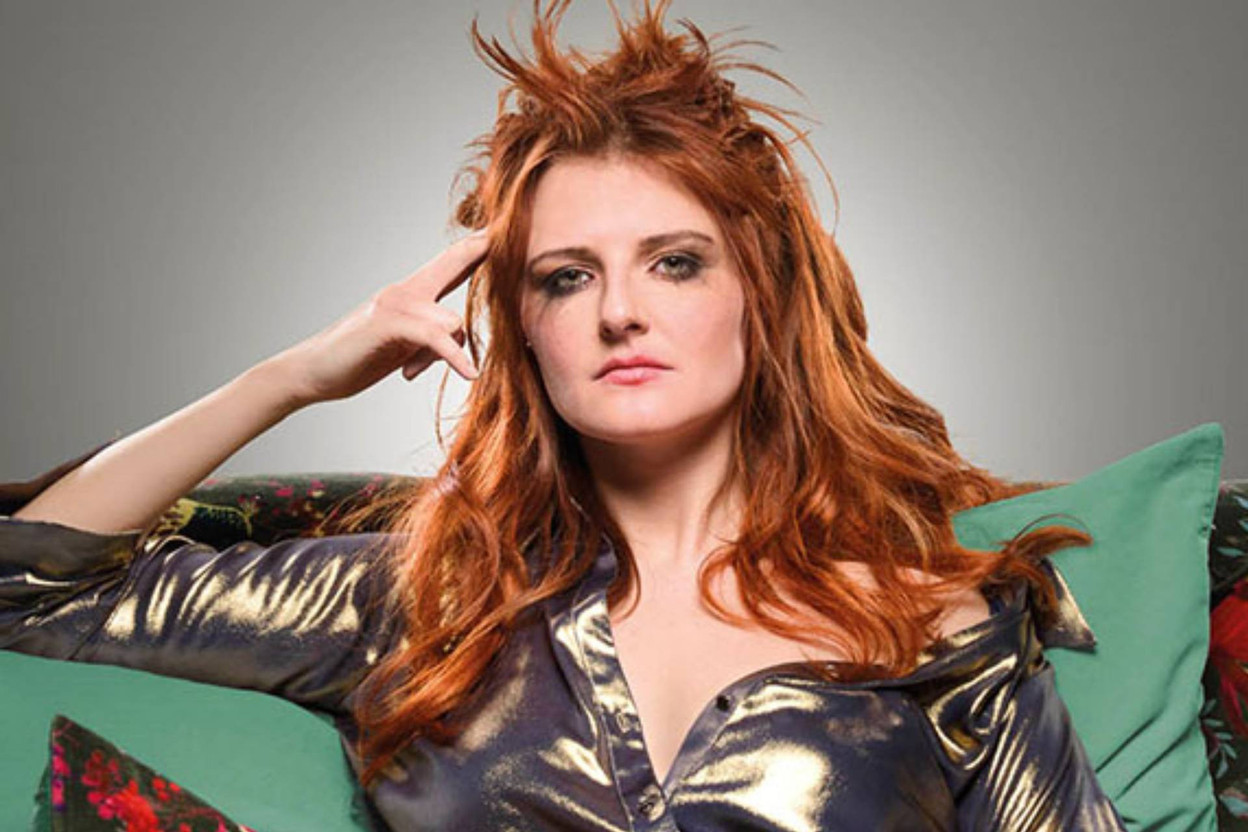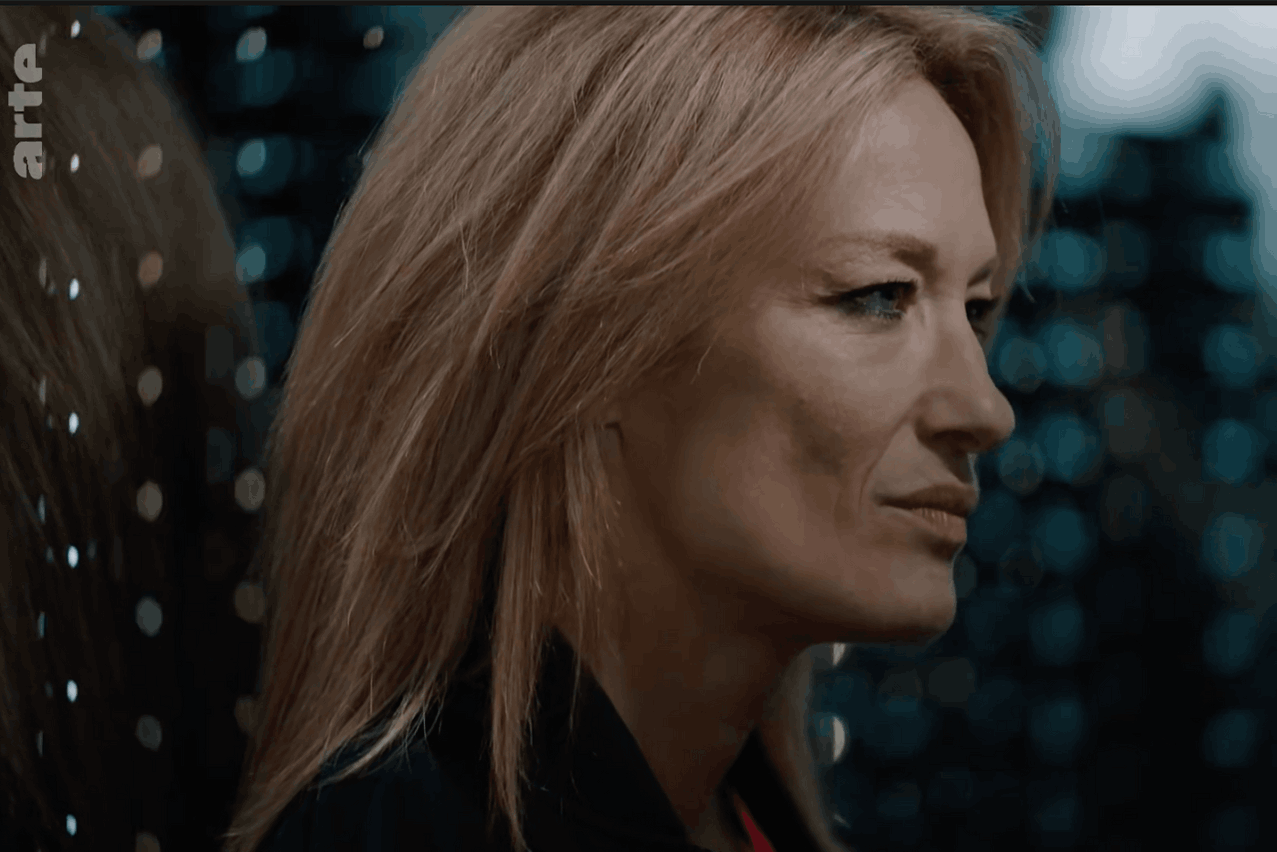
How can dance be a vehicle for questioning, beyond movement? The experiment led by Luxembourg dancer and choreographer 
Through six 20-minute episodes, Camarda takes the viewer on a dancing roadtrip through the prism of culture and tradition. In Salvador de Bahia, Brazil, she discovers capoeira, “a martial art transformed into a dance to survive.” This practice, which combines dance and combat movements, is more than a living art, used by people who have been deported to defend themselves against oppression. The “militant” value of this practice endures to this day, and capoeira has become a way for certain underprivileged populations to show their resistance in the face of inequality.
Also in Brazil, in Rio de Janeiro, through the discovery of samba, Camarda highlights two issues that are also encountered in Europe: gender issues, particularly the place of women and LGBTQI+ communities in society. This dance, a symbol of joy and celebration then becomes, thanks to Camarda’s spotlight, “a mirror of social realities and an expression of resilience.”
And because Brazil is a land of dance par excellence, her trip to South America enabled her to raise yet another phenomenon: the weight of traditions, particularly religious and spiritual, in a context of repression. Here she sets off to discover the Candomblé religion, where dance is used as a sacred practice to make contact with the gods.
Finally, at a time when questions about AI are recurrent, Camarda went to experiment with it, in the service of her discipline. In Berlin and Paris, she met the Polish choreographer Irina Demina and the pioneer of AI in dance, Blanca Li, to explore the potential of this technological advance in the service of performance. An opportunity to “explore the future of a possible symbiosis between man and machine.”
This article was originally published in French.