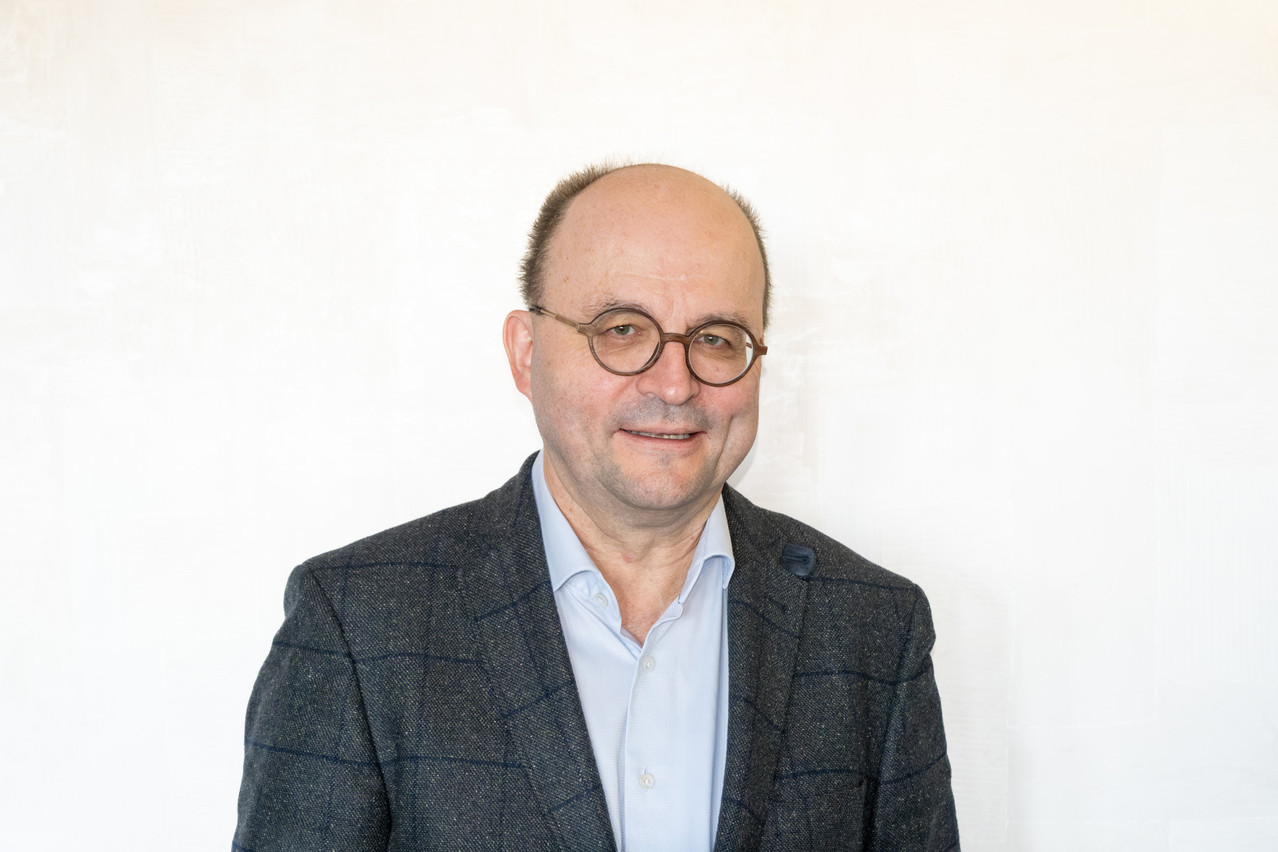
As a representative of Luxembourg’s craft sector, Tom Wirion believes that sustainability is part of local businesses’ ADN. These companies combine know-how, responsibility and human roots. They prove every day that it is possible to reconcile economic performance, respect for the environment and positive impact - not by doing more, but by doing better.
Carbon neutrality, biodiversity, transparency: faced with so many issues, how can we prioritise sustainable actions when resources remain limited?

Can sustainability and profitability really go hand in hand? What tangible indicators are there today to prove that sustainability creates value?
“Sustainability and profitability are not opposites, they reinforce each other. Reducing energy consumption or bringing suppliers closer together means both controlling costs and limiting risks. Anticipating climatic or geopolitical challenges means greater resilience. Sustainability also strengthens customer loyalty and team commitment, all indicators of sustainable value. Lower emissions, optimised resources, job satisfaction: these concrete results prove that a responsible company is more successful, more attractive and better prepared for the future.
Between consumer expectations and investor pressure, how do you build a credible, measurable and inspiring sustainable strategy?
“A sustainable strategy is only credible if it is sincere. It is rooted in the real values of the company, in the transparency of its practices and the consistency of its choices. This requires measurable commitments - labels, certifications, indicators - but also dialogue: listening to customers, involving teams, working with partners. It is in this co-construction that trust is born. Sustainability then becomes more than a strategy: it becomes a shared culture that inspires, unites and gives meaning to collective action.”
Not registered yet? Book your place at Paperjam 10x6 - The Power of Sustainability
This article was originally written in French, translated and edited for the Paperjam website in English.