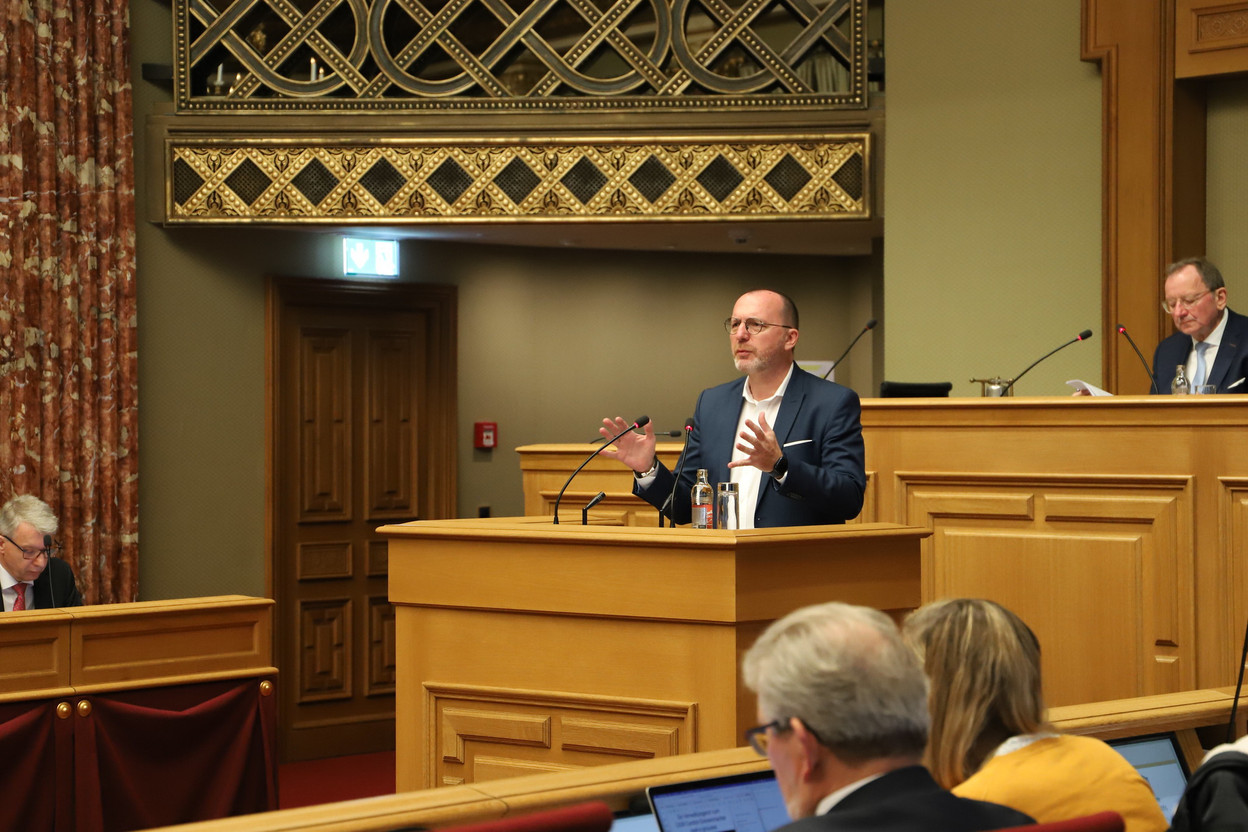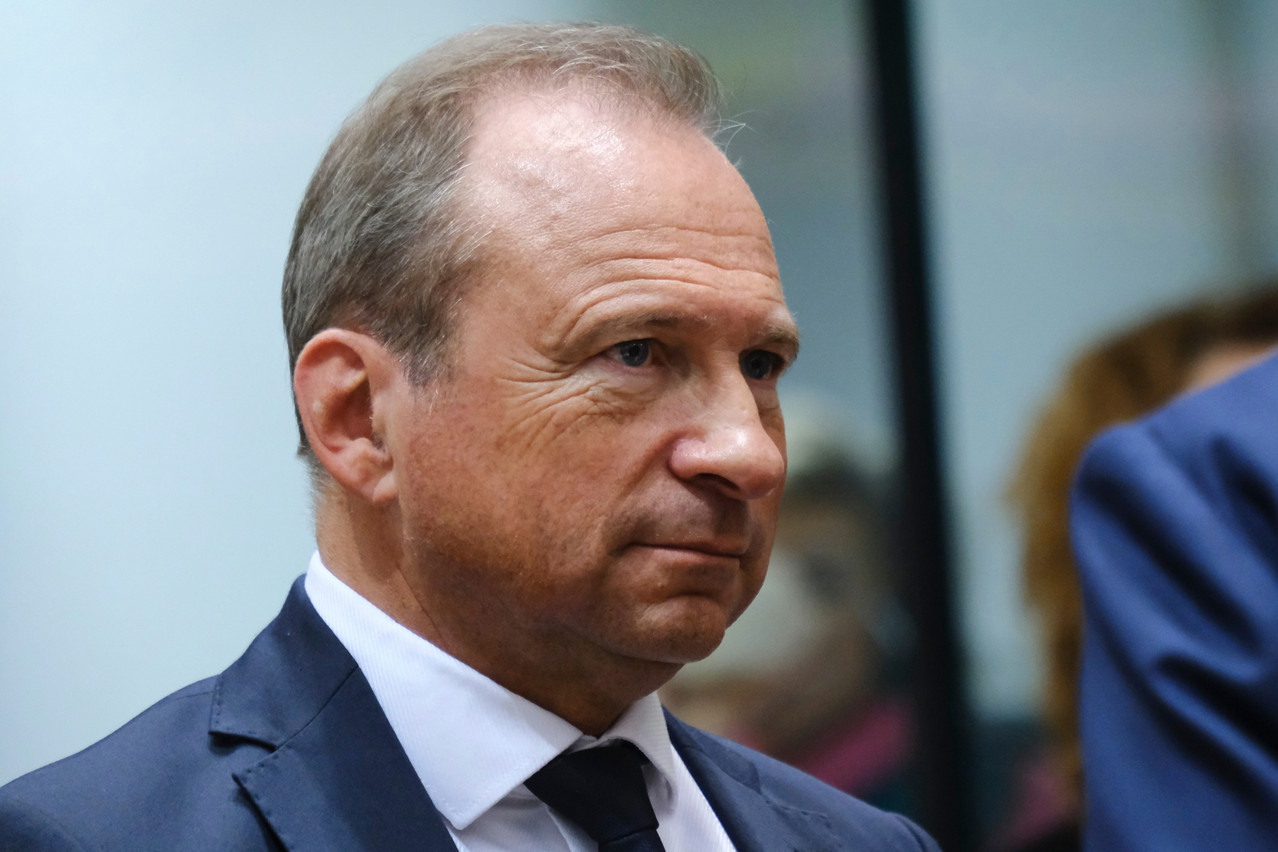
On 23 January, finance minister 
Between 30 September and 31 December 2023, the deficit fell from €706m to €630m. However, this drop may not tell the whole story: says the government in its press release, “expenditure will still be tallied during the so-called complementary period, which runs until April, so the deficit for the full financial year 2023 will be further increased.”
Tax revenues
Revenue was slightly higher than expected, at 102.3% of the approved budget, although the report notes disparities according to the type of revenue. Specifically, revenues from companies are doing well: corporation tax and wealth tax are up, respectively, by €313.3m and €222.3m compared to 2022, representing 122.1% and 130.7% of the approved budget.
However, revenue from other taxes is falling, which the ministry attributes to difficulties in the construction sector, as well as the financial market and interest rate situation. The Registration Duties, Estates and VAT Authority managed to foresee one such drop: registration fees are down by around €252.9m (44.9% of the approved budget).
“This reflects the difficult situation in the construction sector and the significant drop in property transactions,” says the report. In the same vein, revenues from subscription tax fell short of expectations by a margin of €81.8m. In terms of VAT, taxes collected reached only 94.9% of the approved budget.
“The significant drop in revenue from property transactions clearly shows the need to act consistently, as set out in the government’s programme,” says Roth. “Courageous decisions now need to be taken to revive the house-building sector and thus avoid a significant increase in business failures and unemployment. The reduction in the tax burden on households on 1 January 2024 by adjusting the tax scale to four index brackets is the right thing to do and will help to support the economic recovery.”
No deficit since 2020
Compared with previous years, the overall volumes of both expenditure and revenue were higher, even if the balance was negative for the first time since 2020.
The two largest chunks of expenditure were the remuneration of government employees (€6.3bn) and social security transfers (€6.13bn). On the revenue side, current income tax generated just over €12bn in 2023 (up 15.3% compared to 2022).
The balance of -€630m was the most extreme since 2020, an outlying year thanks to the pandemic, when it was -€2bn. In the two intervening years the numbers tipped the other way, with +€838m in 2021 and +€1bn in 2022.
This article was originally published in Paperjam. It has been translated and edited by Delano.