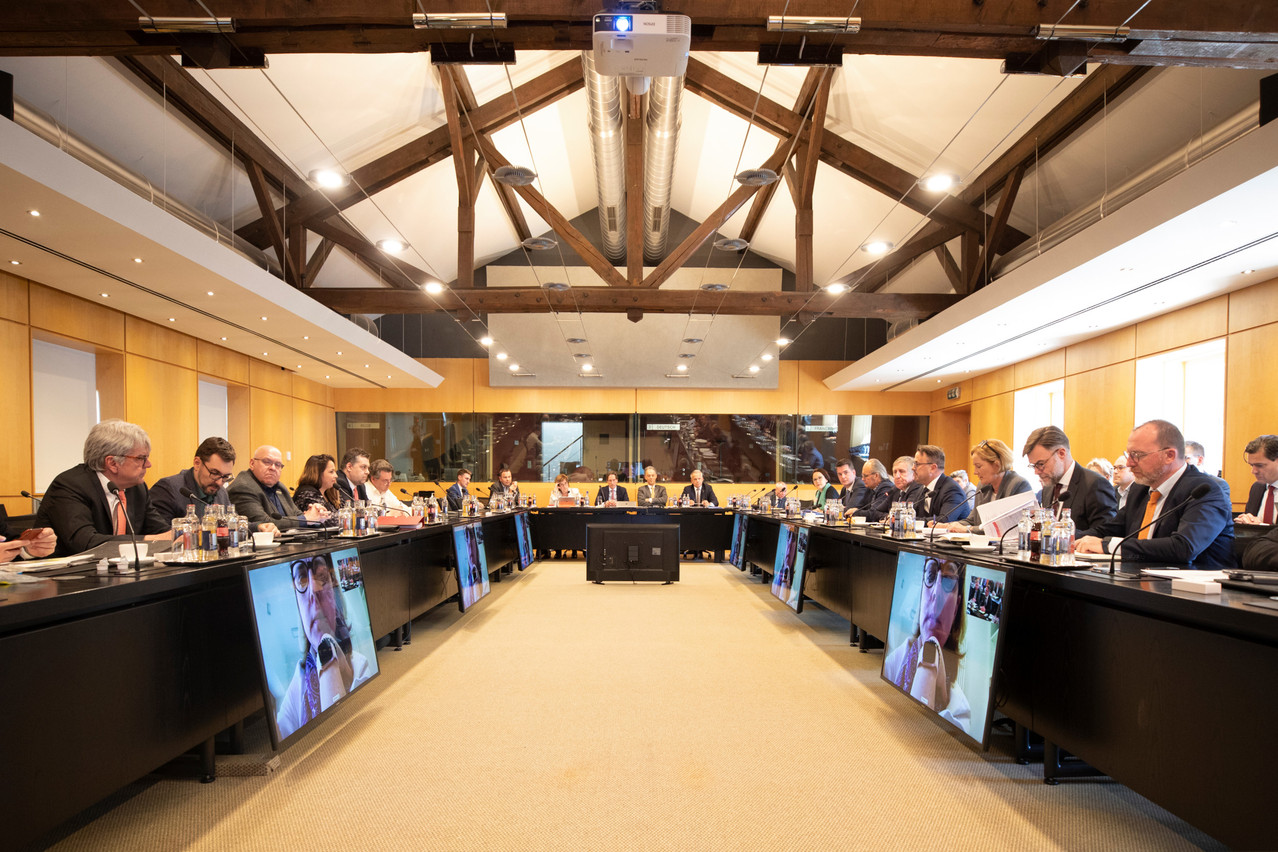
The so-called tripartite began at 2.30pm and talks lasted until well into the evening. The three parties split for internal deliberations late in the afternoon and during a break around 7.30pm, prime minister Xavier Bettel (DP) said talks would continue the following day.
“What’s important is that we agree that companies as well as private individuals are in a difficult situation,” Bettel said during a press briefing near 10pm, with members of his cabinet still gathered next door. “The conclusion is that we need a selective and temporary aid for companies and private people.”
What this aid will look like, however, remains unclear. Bettel said energy prices, purchasing power and the index had been discussed. “Our climate goals must also be a topic,” he added.
The bulk of Tuesday’s talks were dedicated to discussing the current state of affairs, with business group UEL as well as the OGBL, LCGB and CGFP trade unions presented with government reports on the economy and state budget. Unions came prepared with their own sets of demands.
Bettel has convened a cabinet meeting for 9am on Wednesday for the government to assess what’s doable and affordable hot on the heels of the economic fallout of the coronavirus pandemic. Meetings with the social partners will continue around noon when proposals should turn into decisions, the premier said. “I will do everything so that we find an agreement.”
The PM is due in Brussels on Thursday and Friday but said that, if needed, tripartite talks would continue over the weekend.
More time needed on index debate
Labour unions already last year had tabled a catalogue of measures to tackle rising prices, from adjusting family benefits to tax reform, which they repeated ahead of Tuesday’s meeting.
Bettel at the time said the tripartite wasn’t the right framework to discuss the proposals, with trade unions accusing the premier of arrogance after the December talks failed to discuss purchasing power and other topics.
The premier on Tuesday spoke of constructive discussions, which took place as the war in Ukraine further pushed up prices with high energy costs having knock-on effects across the economy.
The government last month announced a €75m package to help households shoulder the burden of rising energy prices. This includes increasing a cost-of-living allowance for low-income households as well as introducing a new energy bonus. The state will also cover operator network costs to lower gas bills for consumers.
Lawmakers this month urged the government to take further measures, which it deferred until after the tripartite talks to find joint solutions with social partners.
Economy minister Franz Fayot (LSAP) ahead of the tripartite had told Delano’s sister publication Paperjam that it could take another few weeks to tie up a package of business aid, which is heavily regulated from Brussels under state aid rules.
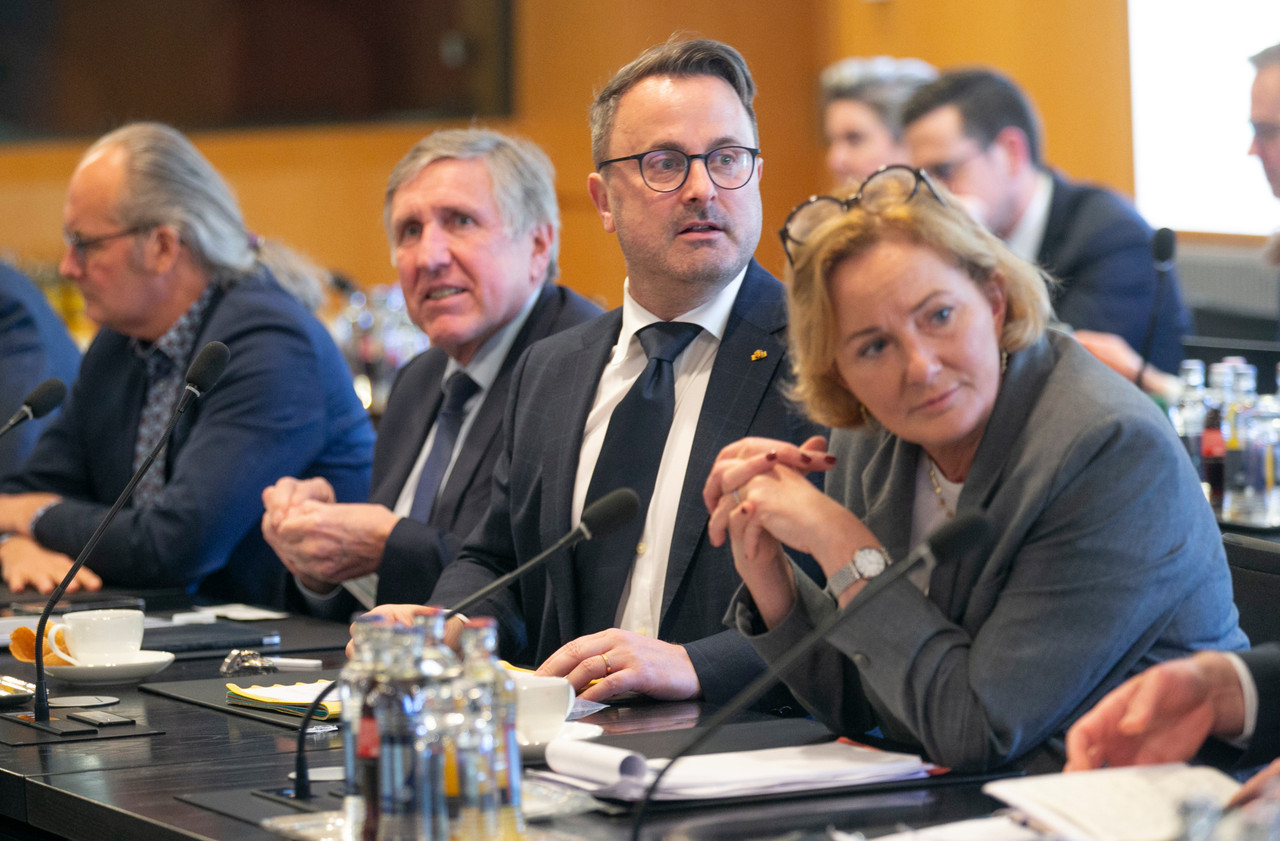
Prime minister Xavier Bettel (c.) with deputy premiers Paulette Lenert (r.) and François Bausch (l.) at Wednesday’s meeting Photo: Guy Wolff/Maison Moderne
Indexation will be high on the agenda as talks continue on Wednesday. “I think a few hours will be necessary and important to have that exchange,” Bettel said during Tuesday’s press briefing.
The mechanism adjusts wages to inflation, raising salaries by 2.5%. The last index payment was triggered in October 2021 with the next expected in the first half of 2022. But if prices remain high, another indexation payment could be due before the end the year, national statistics office Statec has said.
The UEL business union has said that this second indexation payment should be held back, warning that companies won’t be able to afford high energy costs, rising raw materials prices and the wage hike. Trade unions, however, have said indexation should stay untouched.
Updated at 11.20pm to include the comments made by Xavier Bettel during the press briefing.