RiverBank is strengthening its governance with the arrival of 
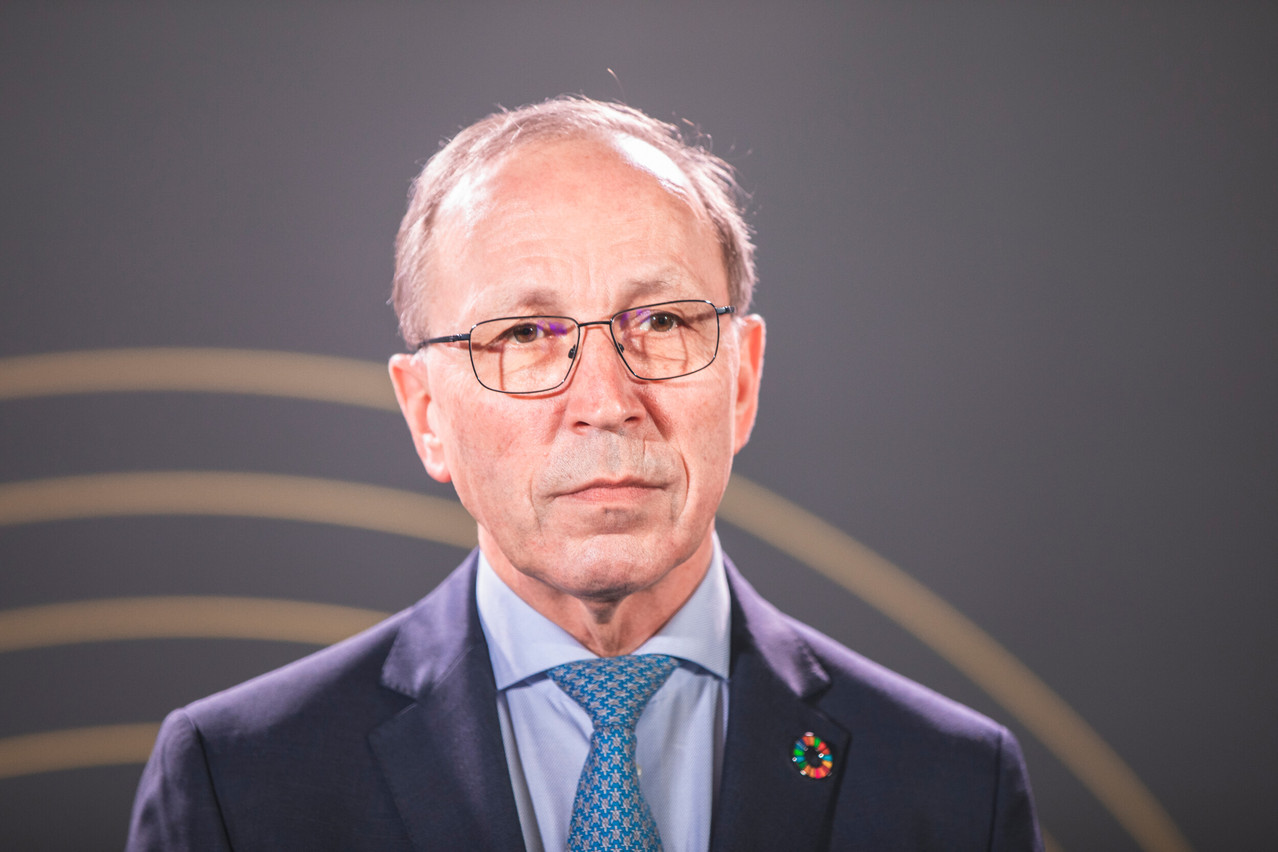
The choice of this profile is by no means insignificant. Over the past two decades, Robert Scharfe has established himself as one of the key figures in Luxembourg’s financial sector. As the former CEO of the Luxembourg Stock Exchange (LuxSE) for nine years, he spearheaded its strategic repositioning towards green and sustainable bonds, helping to establish the Grand Duchy as a leading global platform in this sector.
Thirty years’ experience in banking
Robert Scharfe is also a partner at Odgers Berndtson’s Luxembourg office. He has over 30 years’ experience in banking, international capital markets, asset management and investment funds, notably as a member of the Executive Committee at BGL BNP Paribas. He also held senior positions at Fortis Bank in the areas of institutional banking and global markets.
A few years ago, RiverBank went through a rather turbulent period. In November 2022, the fintech company was forced to undertake a major restructuring, marked by a redundancy plan affecting nearly a third of its workforce. Thirteen of the 44 posts had been cut, mainly in IT, following discussions with the OGBL, Aleba and LCGB trade unions. “Faced with a challenging regulatory and economic environment, the bank has decided to reorganise its operations,” staff representatives explained at the time. The stated aim was to “secure the bank’s future”, particularly in terms of human resources.