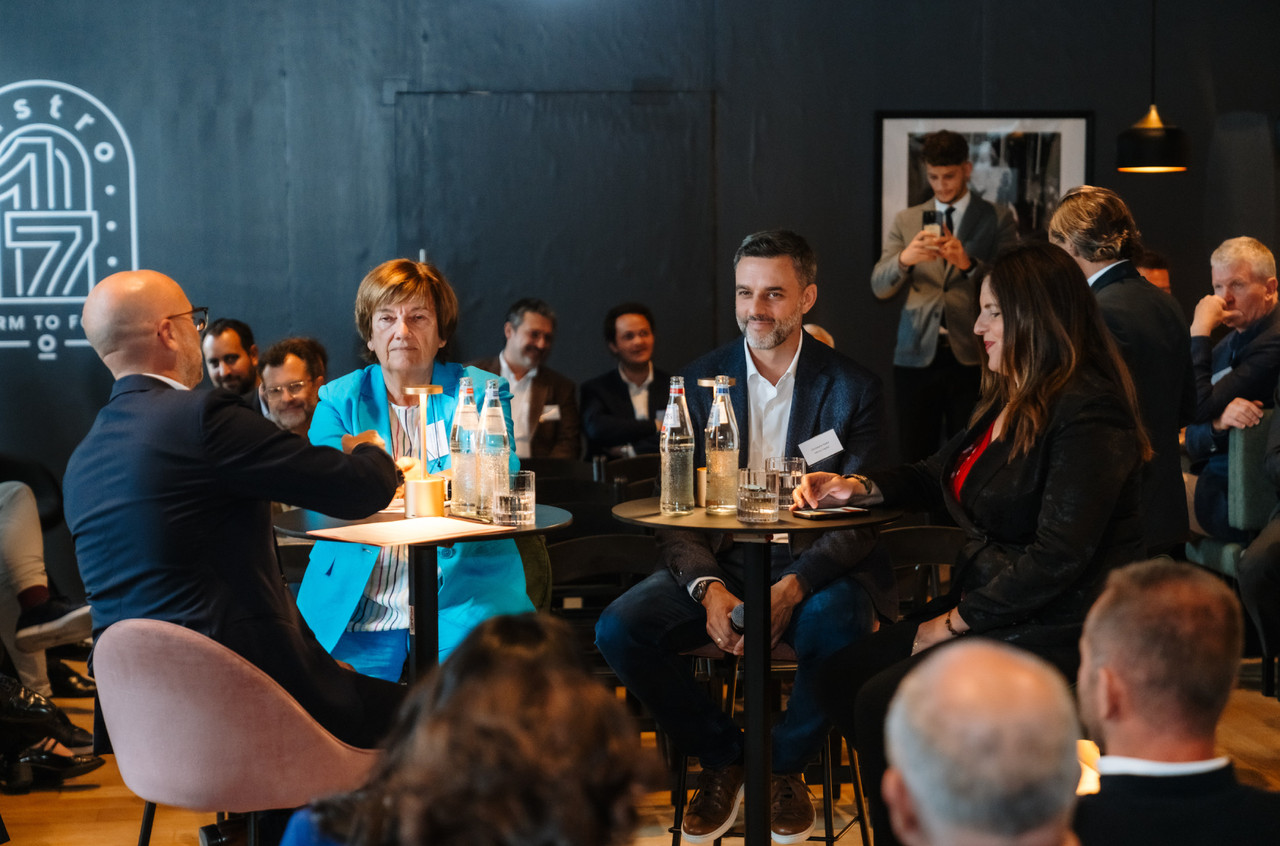
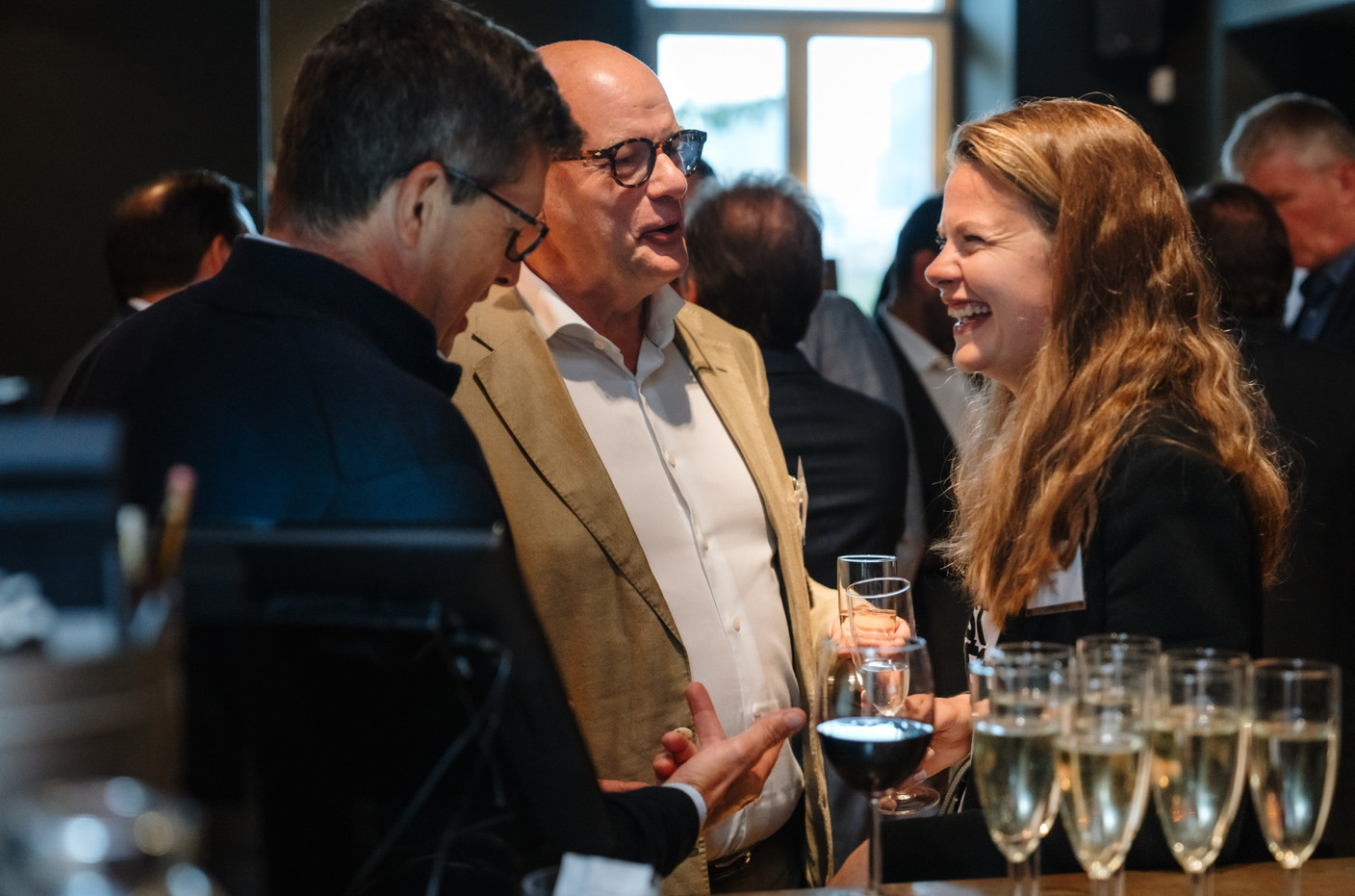
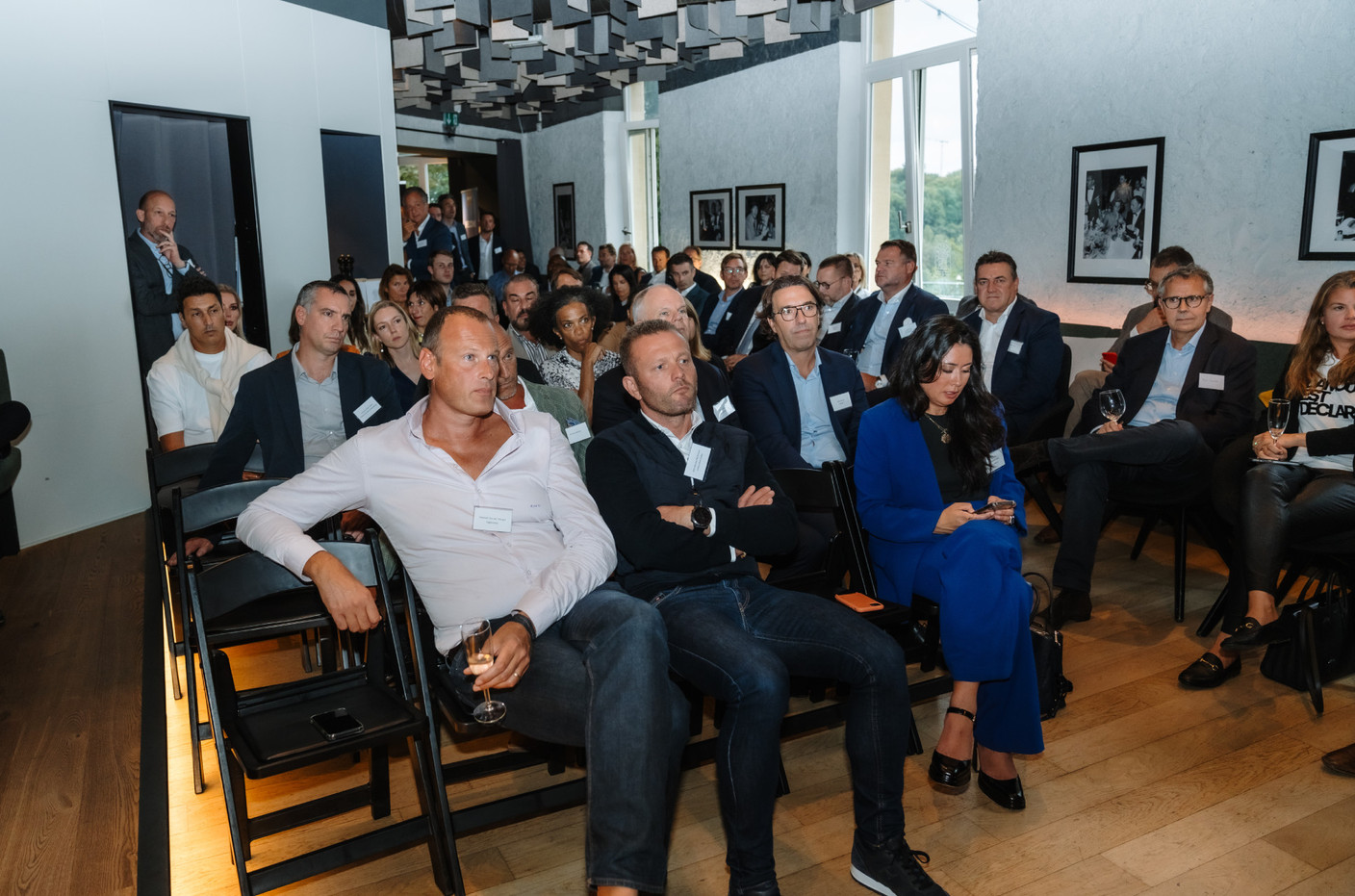
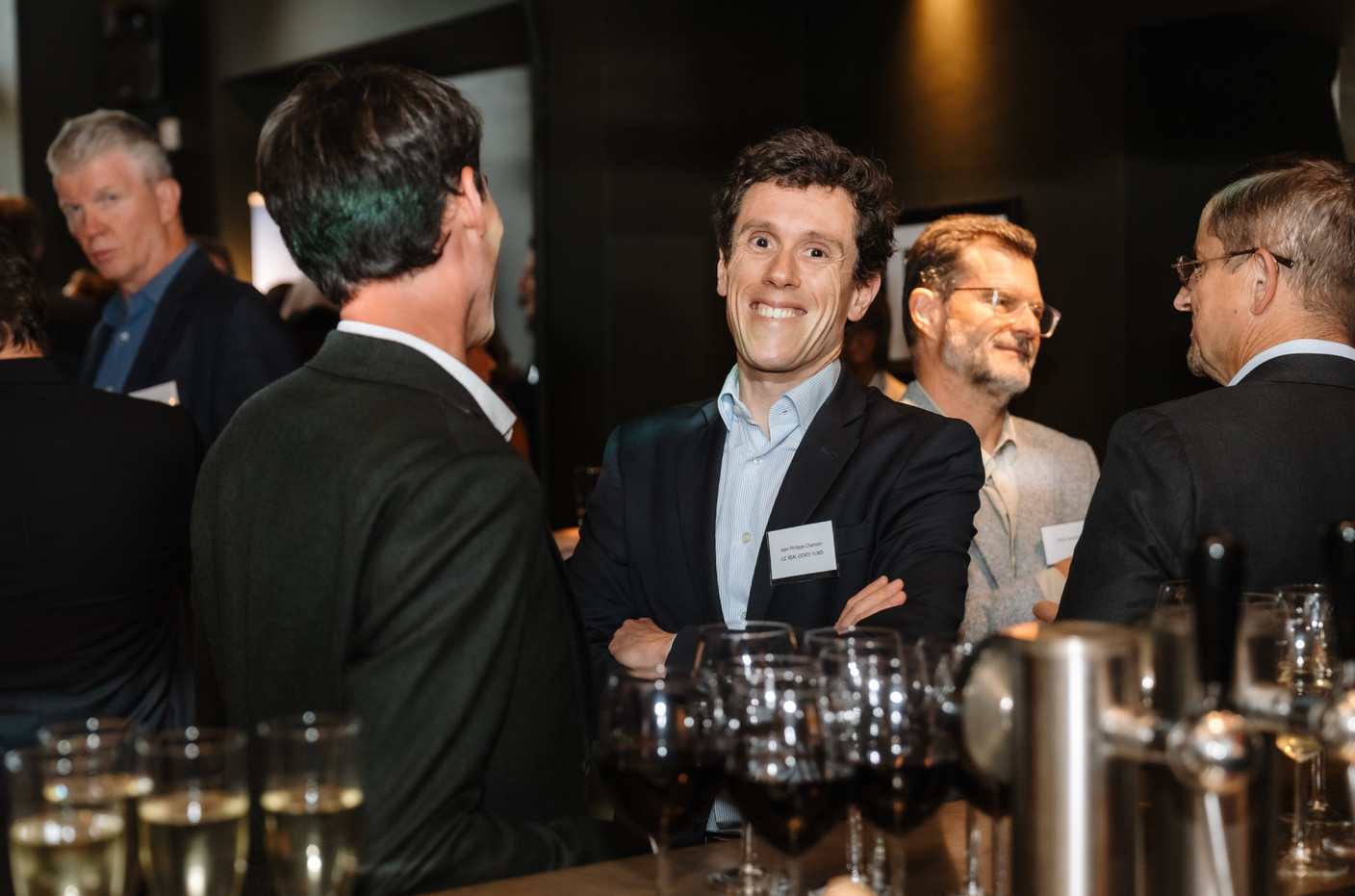
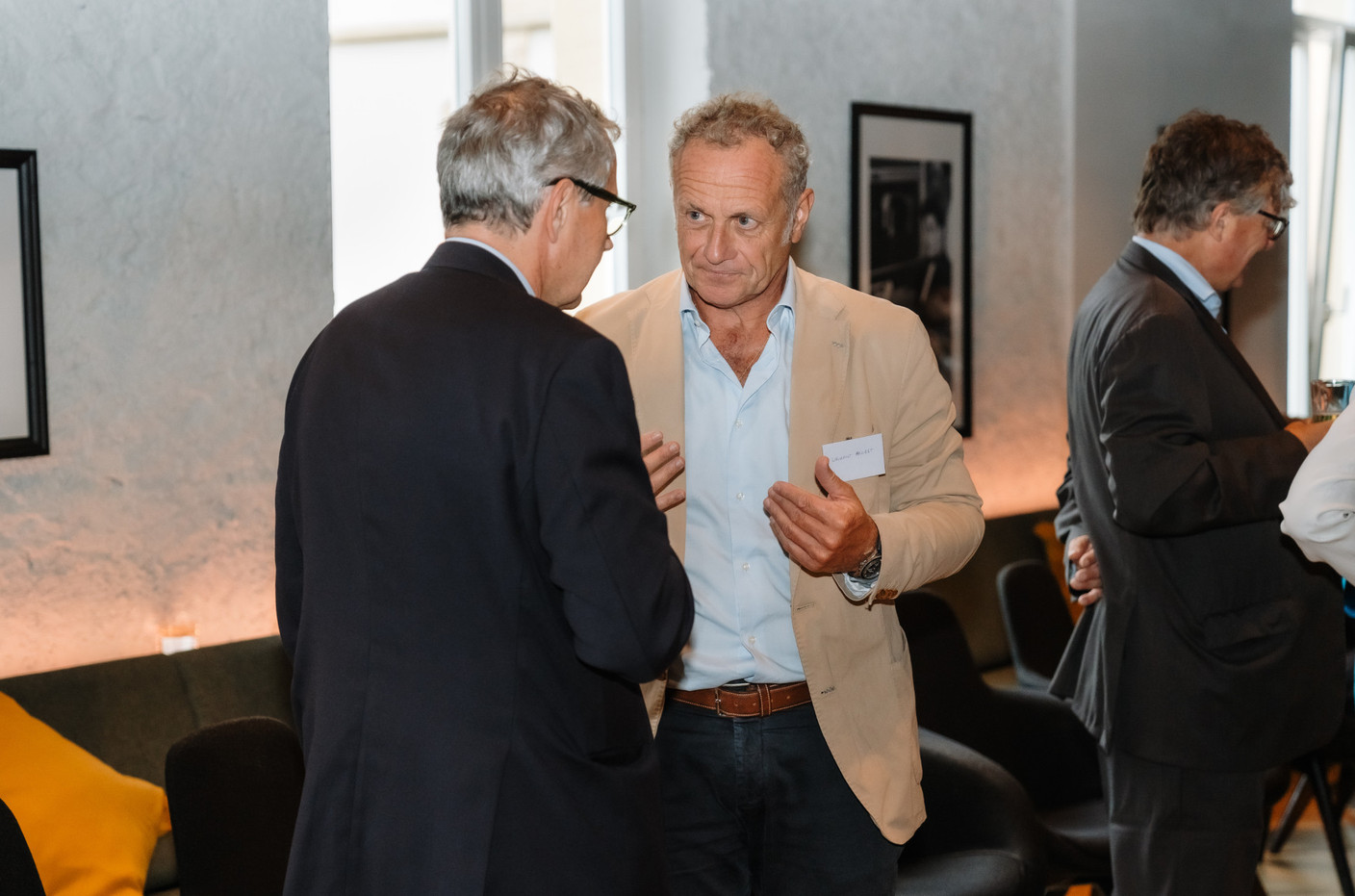
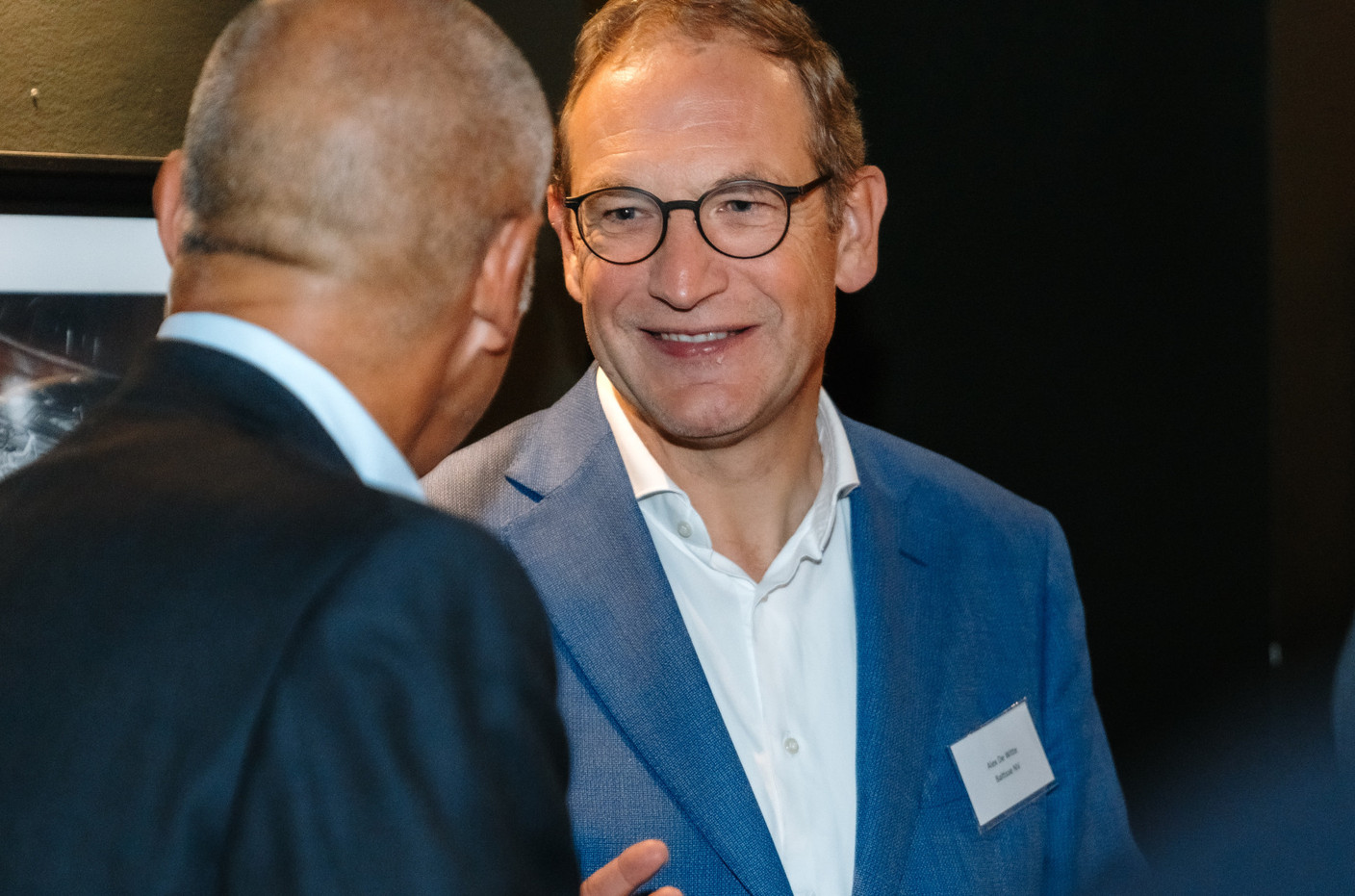
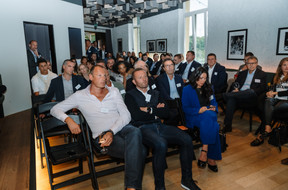
A real estate roundtable discussion called “Rentrée immobilière 2024: à l'heure de la reprise?”, organised in partnership with the real estate agency Inowai and Indosuez Wealth Management, was held at B17 in Luxembourg City on Wednesday 11 September. The roundtable brought together Anne Toledano, global head of real estate at Indosuez Wealth Management, 


1. Residential property: the market remains in a state of flux
A number of indicators suggest that we may have bottomed out and that the recovery is gradually taking hold. Electoral measures are beginning to bear fruit. However, the new homes market is still struggling, with just 92 transactions recorded in the first quarter of 2024, representing a year-on-year fall of 47%. In contrast, the existing-home market is seeing a gradual 24.5% increase in transactions, driven by prices adjusted downwards by 22.4% year-on-year. But the interest rate cuts expected to be announced by the US Federal Reserve, European Central Bank and Bank of England before the end of the year should stimulate lending. As a result, property developers in Luxembourg have not yet revised prices downwards. The effects of policy measures to support investment are also still to be seen.


2. The office property market is weakening
The office market is showing signs of fragility, with only 65,000 m2 office space completed in the first half of the year, compared with 240,000 m2 in 2023. The rental vacancy rate stands at 4.5%, despite a significant drop in new deliveries since the start of the year, with only 26,000 m2 of new buildings. However, rents remain high in under-supplied areas of major European capitals. It should be noted, however, that some submarkets are more resilient. These include hospitality, healthcare and logistics, all of which are popular with investors. Quality and innovation are essential characteristics when looking for office property.
3. A need for innovation
Innovation remains a key differentiator for market recovery. It must help to reduce construction costs and adapt the offer to users’ needs. It must also be expressed in new ways of financing, with the use of alternative methods such as “rent to buy.” The financial sector must also adapt to offer solutions that meet specific needs, such as student accommodation or serviced residences. And, of course, innovation must go hand in hand with the energy transition in Luxembourg property.
This article was originally published in French.