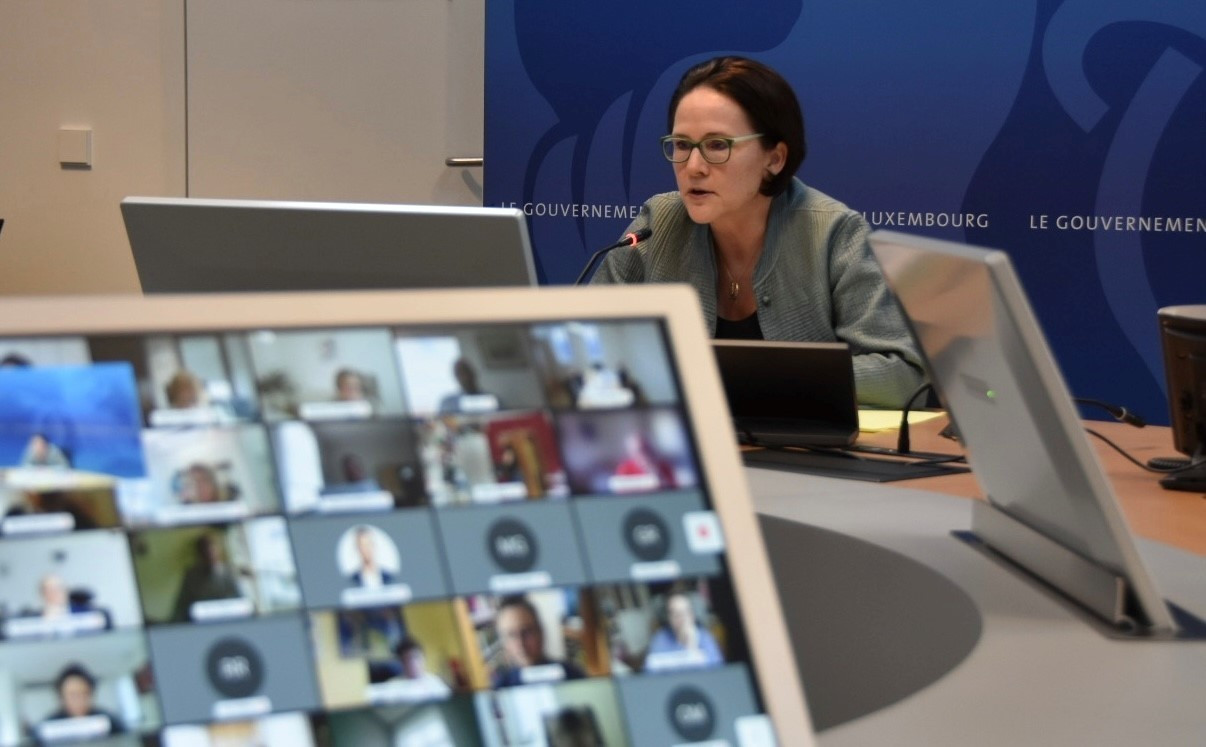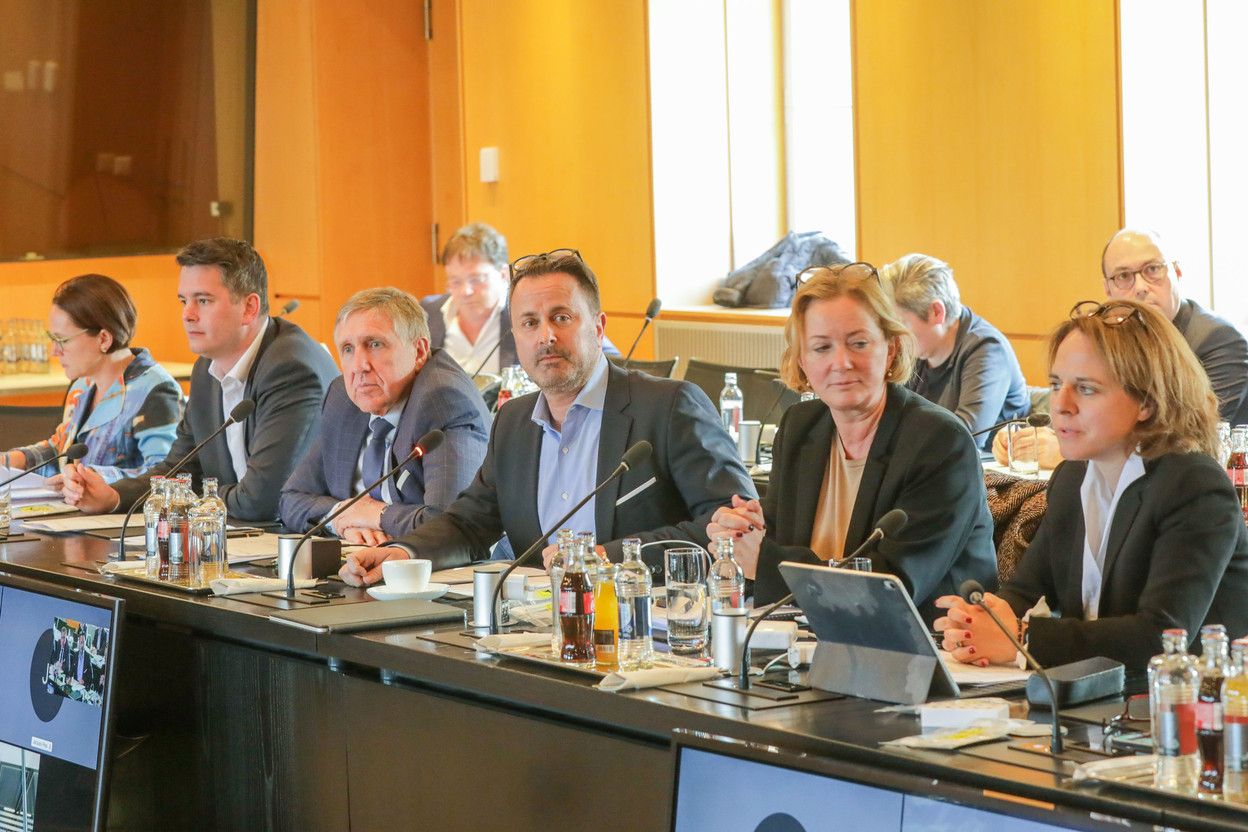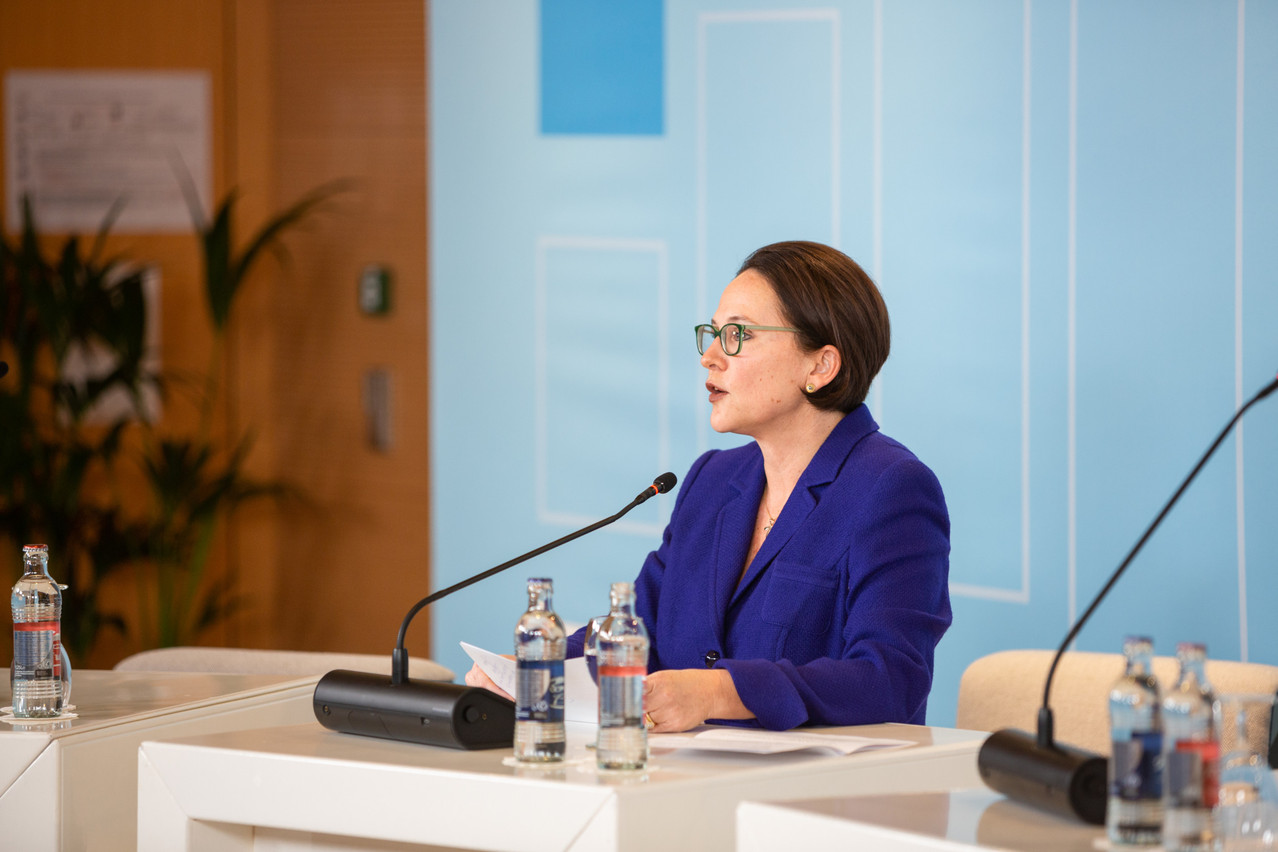
Finance minister Yuriko Backes (DP) presented the assessment of the grand duchy’s financial situation as of 31 March during a joint meeting of the finance and budget committee and the budgetary control of the chamber of deputies committee. Revenues collected by the central government amounted to €6.1bn, marking a 13.4% increase from March 2021. The figures from the previous year were significantly impacted by sanitary restrictions and the ensuing disruption of economic activity.
The direct tax administration collected €3.1bn in revenues-- a 13% increase--while the registration administration saw a 14% increase of collected revenues with €1.9bn. Customs also increased the sum they collected in the first quarter compared to last year, going up by 20% and amounting to almost €473m.
Government expenditure amounted to almost €5.3bn and remained stable compared to 2021 in part due to the reduced use of pandemic aid. Government spending is expected to increase, however, with the introduction of aid to support households affected by the rise in energy prices.
“The situation of public finances at the end of the first quarter of 2022 illustrates the resilience of Luxembourg's economic fabric and the rebound in growth following the health crisis at the turn of the year,” said Backes. “These figures underline the solidity of our country's public finances, but they should not, however, be understood as an indication of developments over the whole of 2022, insofar as the situation on 31 March does not yet reflect the impact of the war in Ukraine, nor that of the measures decided on within the framework of the tripartite and the Energiedësch.”
While 2022 was expected to be a year of rebuilding the economy, international organisations have had to temper their forecasts. In October last year, the International Monetary Fund forecast a global growth of 4.9% for 2022. In its latest report issued on 19 April, it downgraded this prediction to 3.6% at best for 2022 and 2023.