Leading a family business is no easy task, especially when you’re following in the footsteps of founding figures who are very much present. 
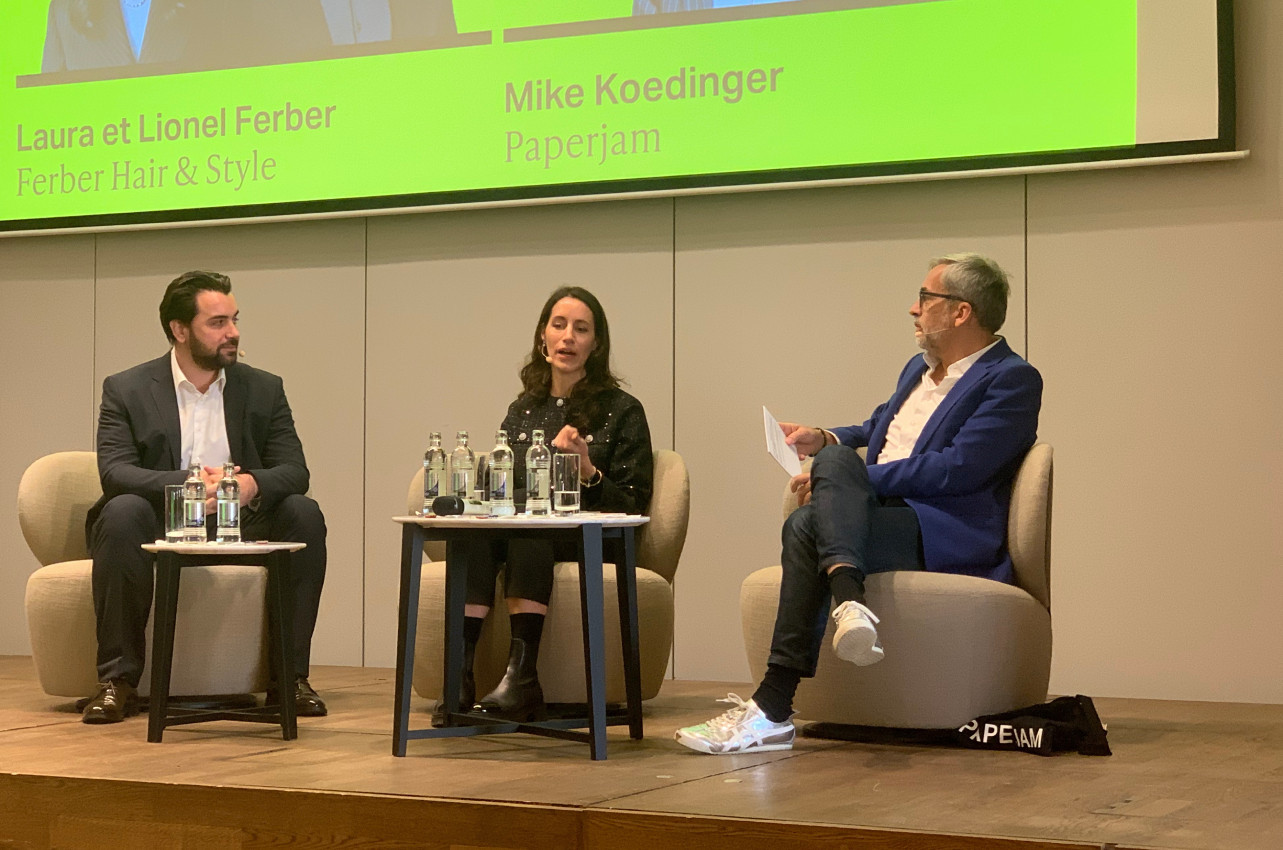
She returned to the company in a difficult personal and professional context. After suffering a stroke with lasting physical consequences, Laura Ferber decided not to give up. She invested in training, in particular through the group’s Hair’cademy, and found a new balance when her brother Lionel decided to join the company. “Now I have the support,” she explains, describing a brotherly dynamic that has become a pillar of the project, in front of nearly 200 entrepreneurs and SME representatives gathered to talk about the concrete issues they face, at the first “Paperjam Together” event, this Friday 23 January.
In a family, there are times when we love each other and there are times when we hate each other, but we can say anything to each other.

Opposite and complementary profiles

This informal organisation is based on direct involvement in operations. Laura Ferber is in charge of the back office, digital marketing, the website, social networks and manager evaluations. She talks frankly about the periods of overload, particularly during Covid, when e-commerce activity explodes and she works alone, seven days a week, to prepare orders. The health crisis is revealing the fragility of the model, which is facing head-on competition from the big platforms offering the same products at lower prices, without the costs associated with advice, training and salon support.
When asked about the family business model, Laura and Lionel Ferber defend its relevance. For Lionel, it’s not about winning trophies but about customer satisfaction, with a clear focus on service quality rather than standardisation. He emphasises the loyalty of the teams, some of whom have been with the company for up to 30 years and are considered to be pillars of the group. Laura stresses the quality of internal communication: more direct, faster, with fewer processes, which means that staff needs can be met more quickly.
Ethical commitments
This proximity extends to social and environmental commitments. Very early on, the group specialised in plant-based colouring and carried out a carbon audit. Since then, one tree has been planted for each colour produced, with the stated aim of being CO2 neutral. However, Lionel Ferber qualifies the immediate impact of these initiatives in a context of increased economic pressure. In his view, the priority remains the company’s survival, with ethical commitments coming second, as they involve real costs.
The issue of talent is central to their discourse. The group has an average employee tenure of eight years, compared with three years in the Luxembourg market. According to Lionel Ferber, this loyalty is based on listening, trust and fair pay. Laura Ferber emphasises the company’s policy of inclusion, in particular through the training of apprentices with atypical profiles, some of whom are refugees, who receive professional, linguistic and human support. Recruitment relies heavily on internal co-option, which is seen as a guarantee of quality and integration.
Who would be prepared to have their hair done by a robot?

Family governance, finally, remains deliberately flexible. The parents are still present, and are called on in the event of difficulties or for official signatures, but responsibility is gradually being passed on. Decisions are taken at managers’ meetings, where the voice of the teams on the ground is central. This is a significant change from the days when the founder took the decisions alone. Jean-Marie Ferber, speaking from the audience, sums up the philosophy of transmission: agreeing to let go, letting children make their own mistakes and understanding the work of employees as the basis of all success.
Towards a change in the hairdressing profession
As for the future, Laura and Lionel Ferber do not sketch out a fixed vision. Lionel speaks of a world of work profoundly transformed by AI and automation, comparing the current period to a new industrial revolution. At the same time, “who would be prepared to have their hair done by a robot?” asks Laura. Who anticipates, in the shorter term, a shift in the hairdressing profession towards smaller, more individualised structures, breaking away from the large, densely-packed salons.
The morning continued with five ten-minute sessions on very practical issues, from how to set up a supplementary pension for employees to questions relating to the transfer of a business, not forgetting leasing, mobility and its regulatory constraints. The next event will take place on 27 February, again at Spuerkeess, with