1- The culinary experience at the heart of the events
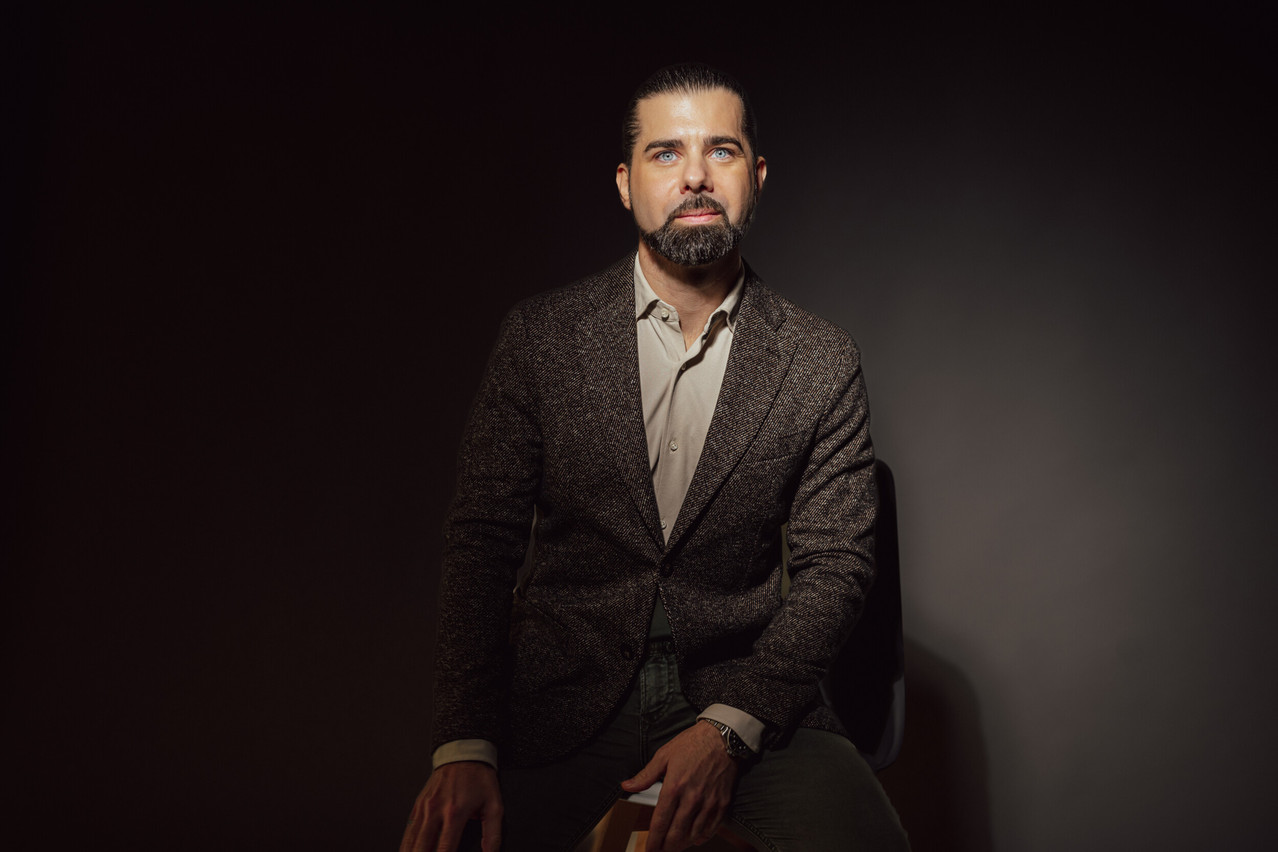
In corporate events, catering has become a central part of the experience. Companies now expect services that leave a lasting impression and reflect their brand image. “Expectations are no longer limited to taste alone. Clients are also looking for originality, authenticity and the ability to surprise,” observes 
At the same time, culinary influences are becoming more diverse. International influences, plant-based cuisine and hybrid offerings are gradually finding their place at corporate events. For caterers, the challenge therefore lies in regularly updating menus whilst maintaining a strong gastronomic identity. Dishes must also adapt to an increasing variety of dietary requirements. “Offering solutions tailored to vegetarian, vegan, gluten-free or other dietary requirements has become essential. This requires rigorous organisation in production and flawless traceability to ensure the same quality for all guests,” emphasises the director.
In this context, culinary creativity and logistical expertise go hand in hand. For caterers, the ability to combine innovation, personalisation and operational reliability is becoming a key differentiating factor in an increasingly competitive market.
2- Sustainability is becoming the norm in business practices
Environmental considerations are also emerging as an increasingly important factor in the selection of service providers. Companies are paying ever greater attention to the origin of products and the environmental impact of the events they organise.
“Prioritising local produce helps both to support the regional economy and to ensure the freshness and traceability of supplies,” notes Tom Steffen. Using short supply chains also makes it easier to “adapt to the seasons and helps to reduce food waste”. At the same time, caterers are seeking to reduce the carbon footprint of their operations, notably by operating on-site or by gradually developing electric delivery solutions.
Beyond transport, sustainability also involves a broader review of internal processes. “This applies to everything from the choice of packaging to the improvement of our infrastructure,” adds the CEO.
3- More complex costs and logistics
Whilst innovation and sustainability are gradually reshaping the industry, caterers must also contend with a more challenging economic climate. The rise in food prices seen in recent years is having a direct impact on production costs.
According to Eurostat, food prices in the European Union rose by an average of 2.8% in 2025, with some raw materials seeing price increases of up to 10%. This inflation was compounded by a sharp rise in energy prices, which drove up operating costs across the entire catering sector.
Price volatility calls for meticulous planning.

In Luxembourg, however, there could be a slight respite, unless the conflict in the Middle East escalates. Since 1 From January, and for a period of at least three years, the government will cover part of the network costs. A total of €150m will be allocated in 2026 to reduce electricity costs for households and businesses. “The rise in these costs has a direct impact on our cost structure,” explains Tom Steffen. “In an open market such as Luxembourg’s, which is heavily reliant on imports, price volatility and supply lead times require very detailed planning.”
In addition to these economic challenges, there are significant logistical constraints. Organising transport, managing multiple production sites and ensuring strict adherence to the cold chain all require constant coordination between teams. “Heavy traffic, particularly on cross-border routes, can complicate deliveries. Yet in the events industry, punctuality is essential,” the executive continues.
Faced with these challenges, caterers are seeking to strengthen their management tools. Digitising schedules, pooling resources across sites and developing partnerships with local producers enable them to optimise workflows whilst securing supplies. “In this context, forward planning and organisation are essential to maintaining an excellent standard of service,” concludes the head of the Steffen Group.
This article was written for the Extra Business Events of April 2026, published on 25 March. The content is produced exclusively for Extra. It is published on the website to contribute to Paperjam’s comprehensive archive. Click on this link to subscribe to the magazine.
Is your company a member of the Paperjam Club? You can request a subscription in your name. Please let us know via club@paperjam.lu