To our readers: the Paperjam editorial team spent Thursday and Friday in Dudelange, meeting the political, social and economic players in this municipality of 22,000 inhabitants. This article is part of that special series.
The Neischmelz project in Dudelange is a large-scale mixed-use development. Covering an area of 32.5 hectares, the Housing Fund (Fonds du logement) will develop a new mixed neighbourhood that will include 1,575 homes, as well as commercial and retail space, between the two historic districts of Schmelz and Italie.
This former steelworks site has been undergoing redevelopment for many years: following the closure of the Laminoir in 2005, a project was envisaged as early as 2007. A competition was launched in 2009, followed by an initial master plan in 2010. Public enquiries and consultations were held in 2013, and in 2016 the Fonds du Logement became the owner of the land. Following a public consultation, specific amendments were made to municipality’s general development plan (PAG), leading to the development of four special development plans (PAPs)--North, Centre, Italy, South)--which were approved by the Dudelange local council in 2020. Since then, preparatory studies and authorisations have been drawn up and approved. Today, work has finally begun on site. Remediation work began in 2023 and continued in 2024. Delivery of the first housing units is now scheduled for 2028. But before that can happen, the site still has to be prepared.
Soil that needs attention
"We're working on a former Arbed industrial site. As a result, we have to deal with polluted land that needs to be properly treated and managed before we can develop a new urban quarter," explains Jacques Vandivinit, director of Fonds du Logement, to whom the development has been entrusted.
"We are currently carrying out the pre-development work, in other words everything to do with the servicing of the land, the underground infrastructure needed to introduce the networks and various fluids." Given the vastness of the site, the work is being carried out in stages. For the moment, it is the Central and Southern PAPs that are concerned. The North PAP will be dealt with at a later date, and the Italy PAP is the responsibility of the City of Dudelange. "The latter PAPs are also less affected by industrial activity, so the soil is less polluted.”
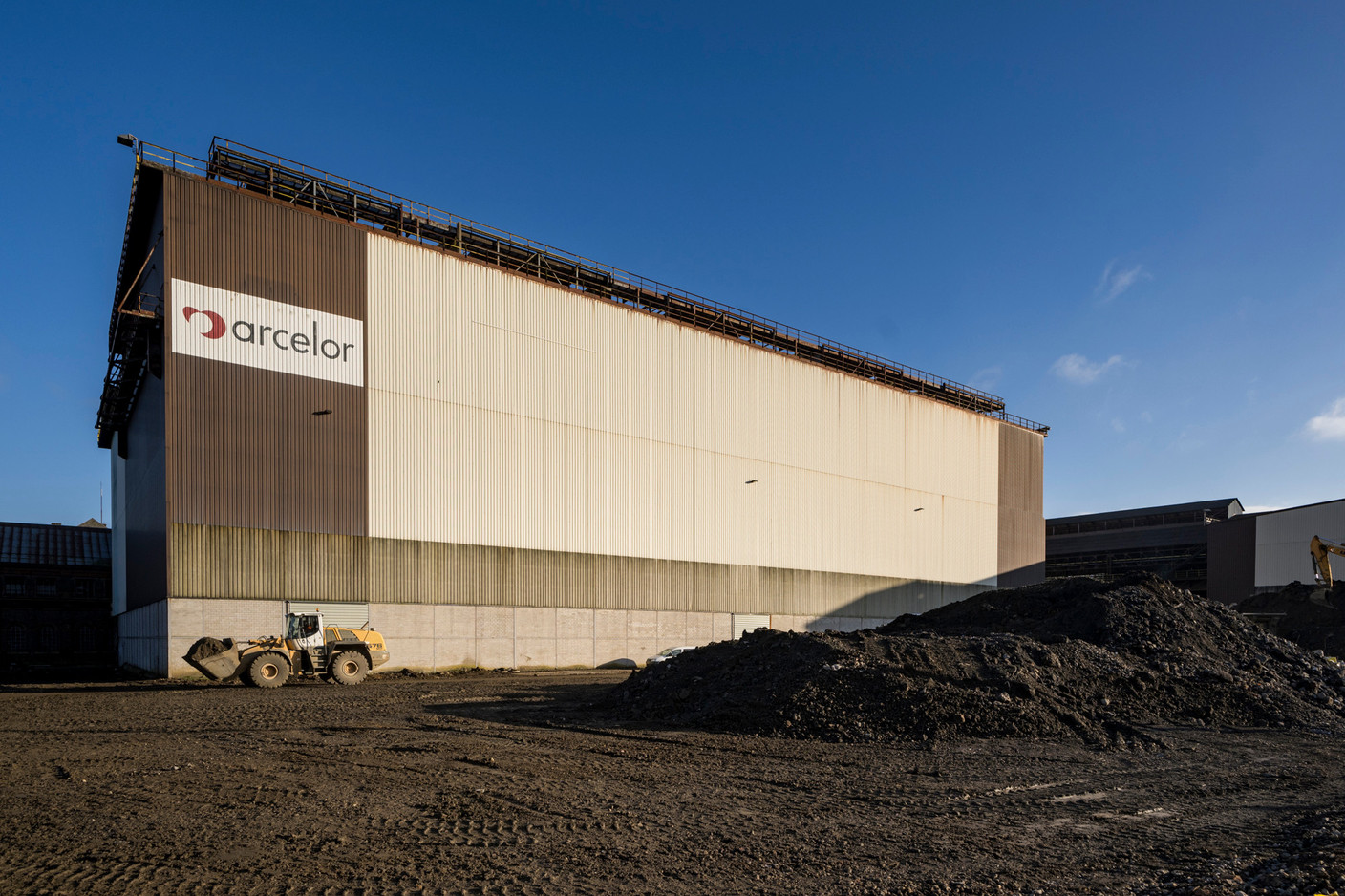
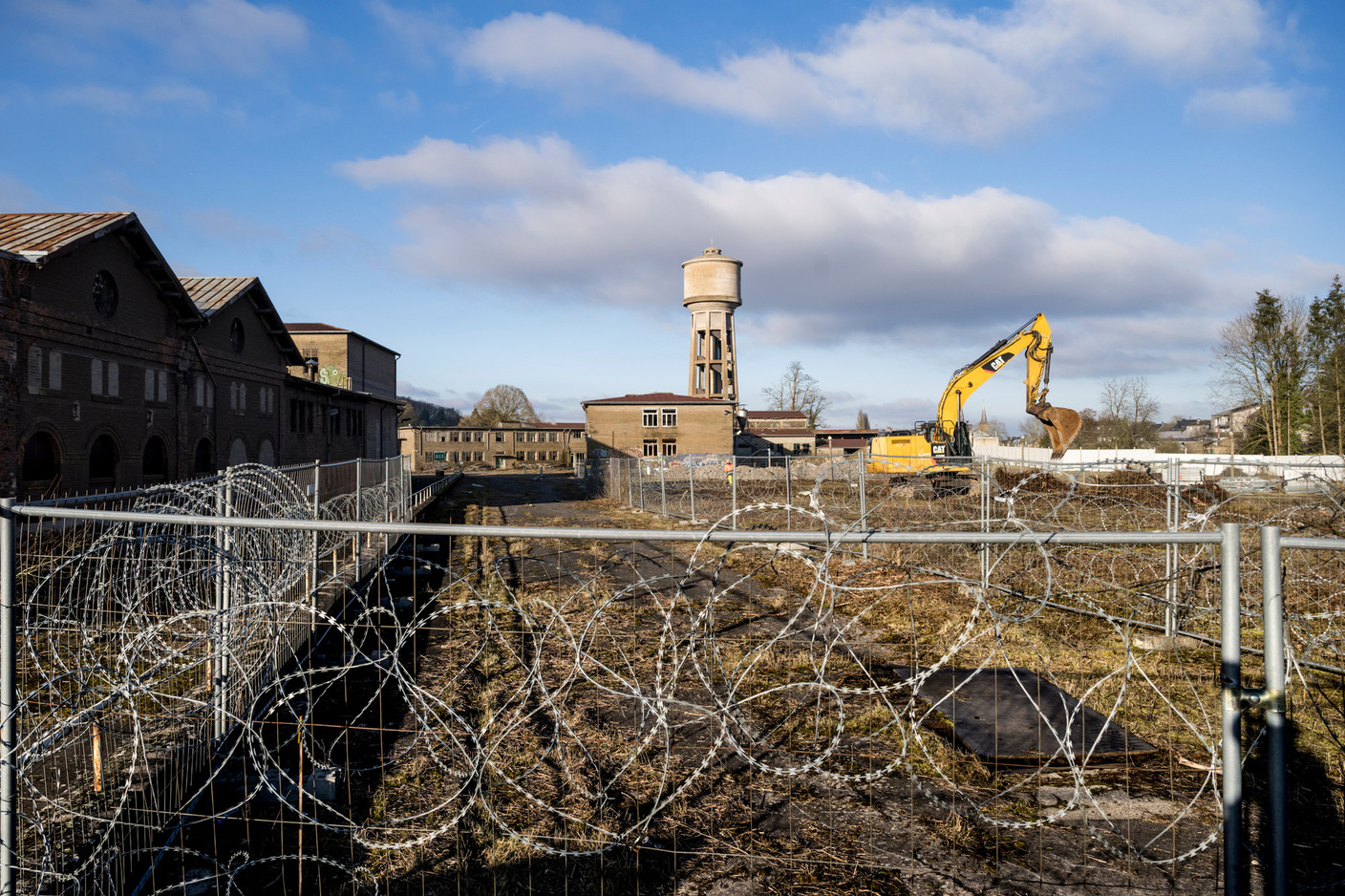
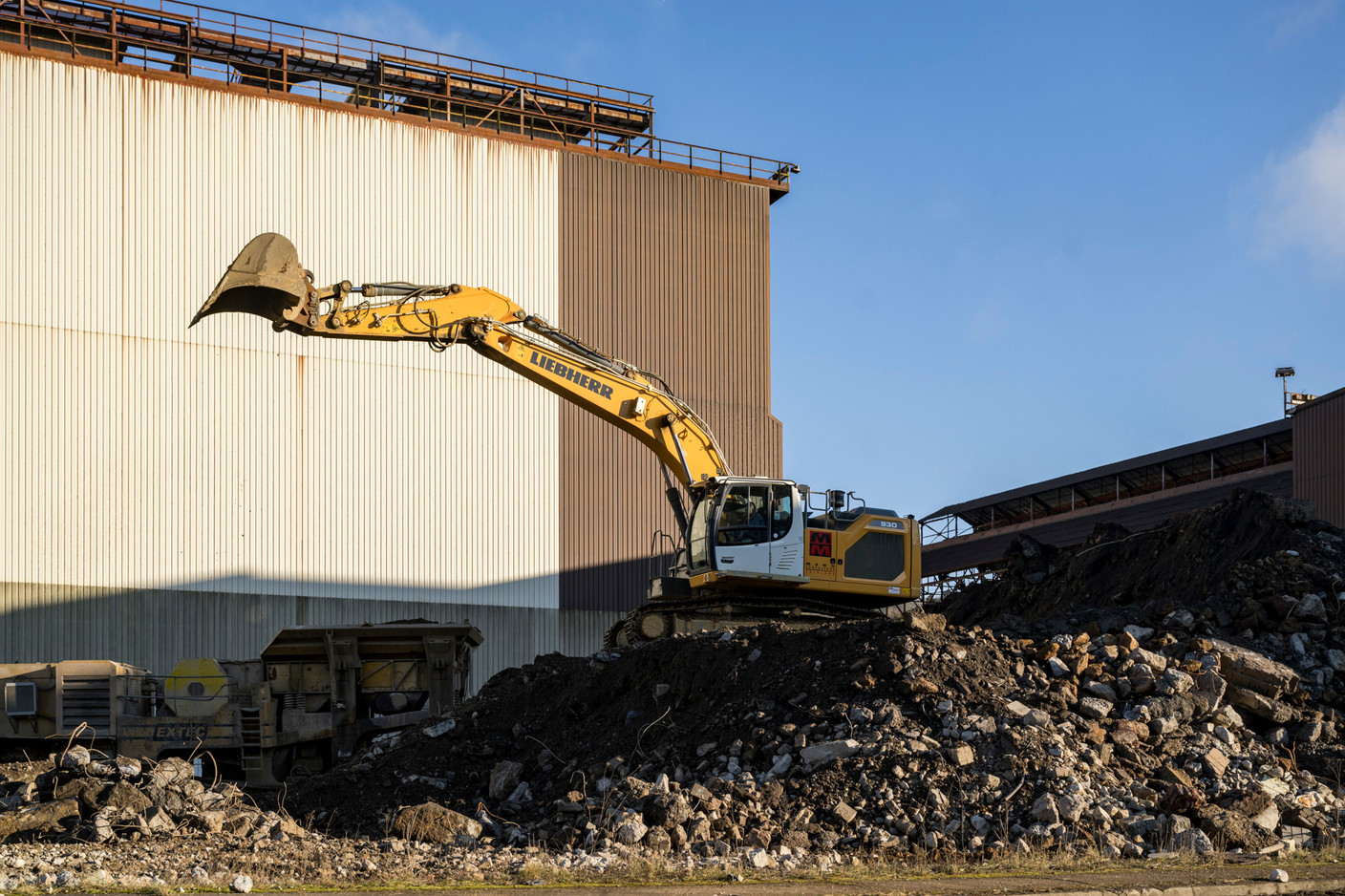
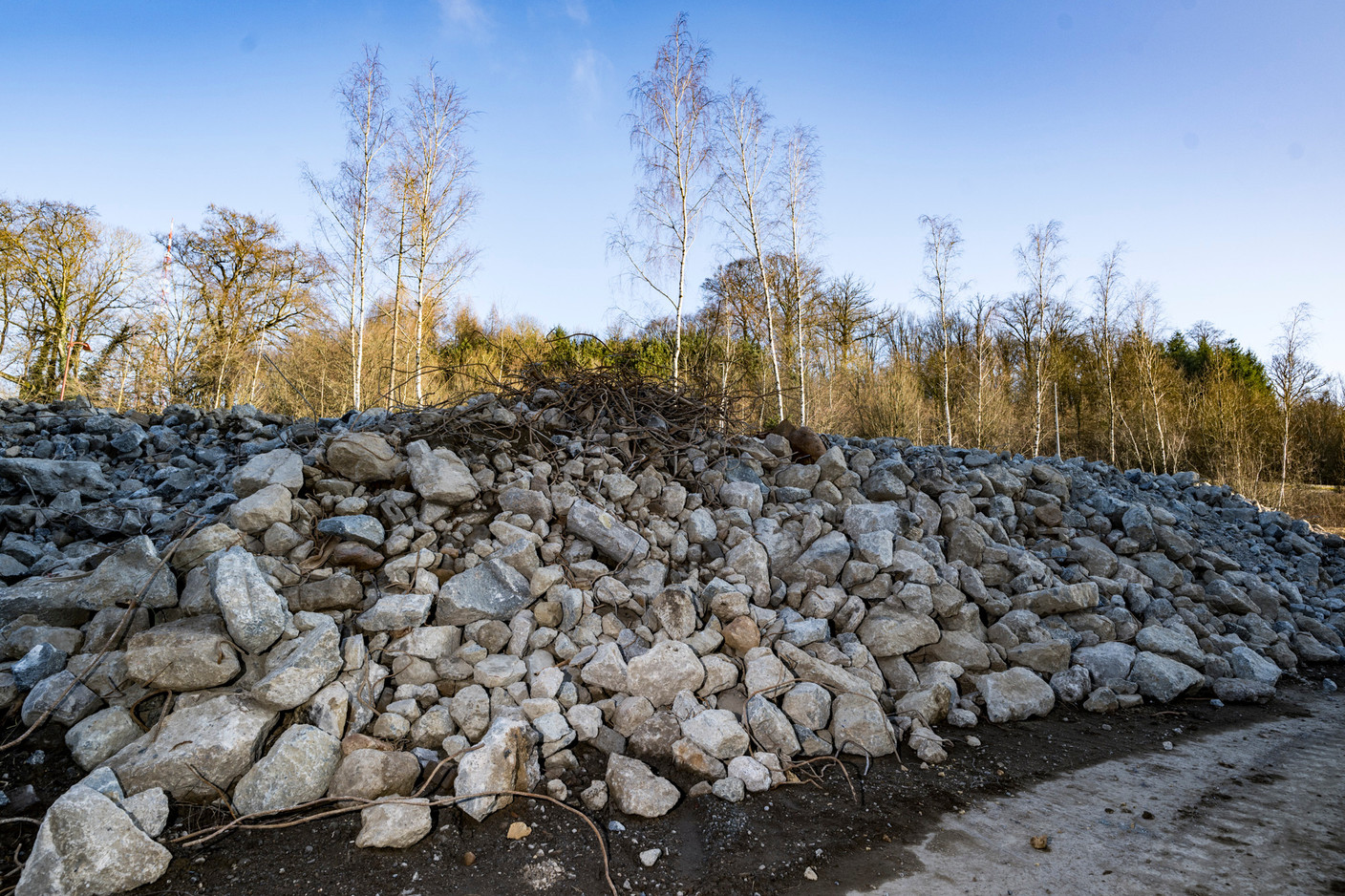
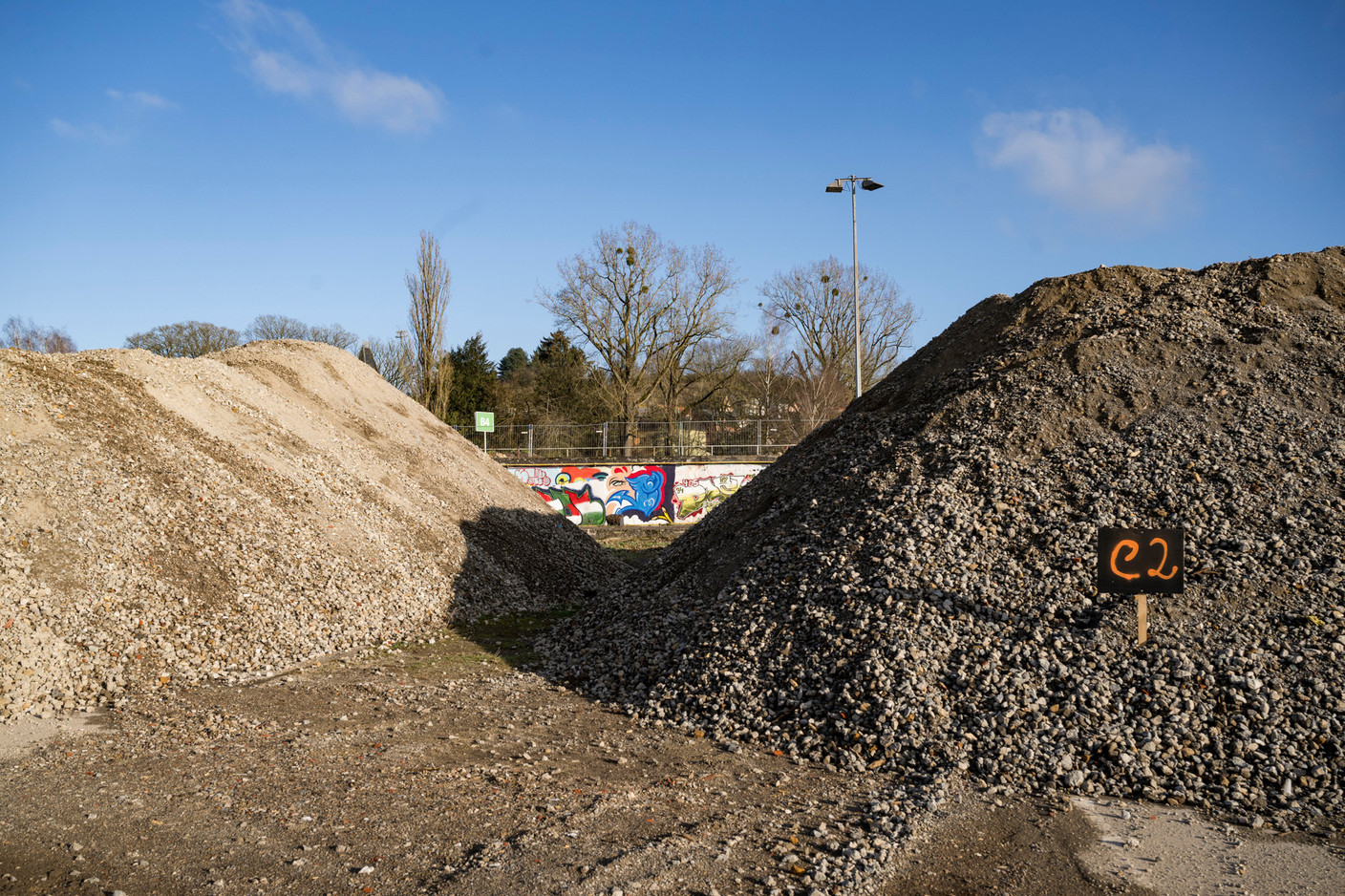
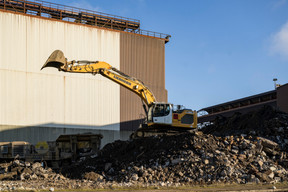
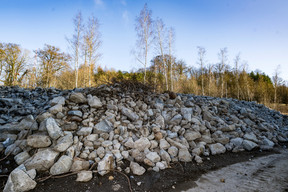
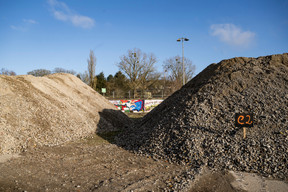
Audrey Vit, project manager at Fonds du Logement, explains: "The decontamination work is subject to an order issued by the Ministry of the Environment. Fortunately, we don't have to carry out a total evacuation and we can rework much of the soil on site. The large size of the site also means that a large volume can be stored on site, avoiding the need to load lorries for removal. As far as possible, we encourage the re-use of this soil on site, in road sub-layers for example, or to fill in old galleries and existing tunnels. This small quantity of soil to be evacuated reduces both the environmental impact and the financial impact."
Vandivinit states: "We work as much as possible with a view to a circular economy. We are very ambitious when it comes to the carbon footprint of this project, both during the operating phase and the construction phase. This approach to soil treatment is part of that ambition."
Energy from multiple sources
The energy requirements of such a new district are obviously considerable. From a sustainable development perspective, non-fossil fuels are preferred. Medium-depth geothermal energy has been considered. But technical and administrative obstacles are currently holding back the full deployment of this approach. "Although this option is still being considered, we are also exploring alternative energy solutions that could be used for the first districts," says Vandivinit. These solutions, which were initially planned as back-up solutions, are now coming to the fore. They include a heating network supported by centralised heat pumps, which will initially supply the South PAP, about 500 to 600 homes. "A number of industrial buildings are to remain on the site," explains Vit, "and we are going to take advantage of their presence to install as much technical equipment as possible for energy production.
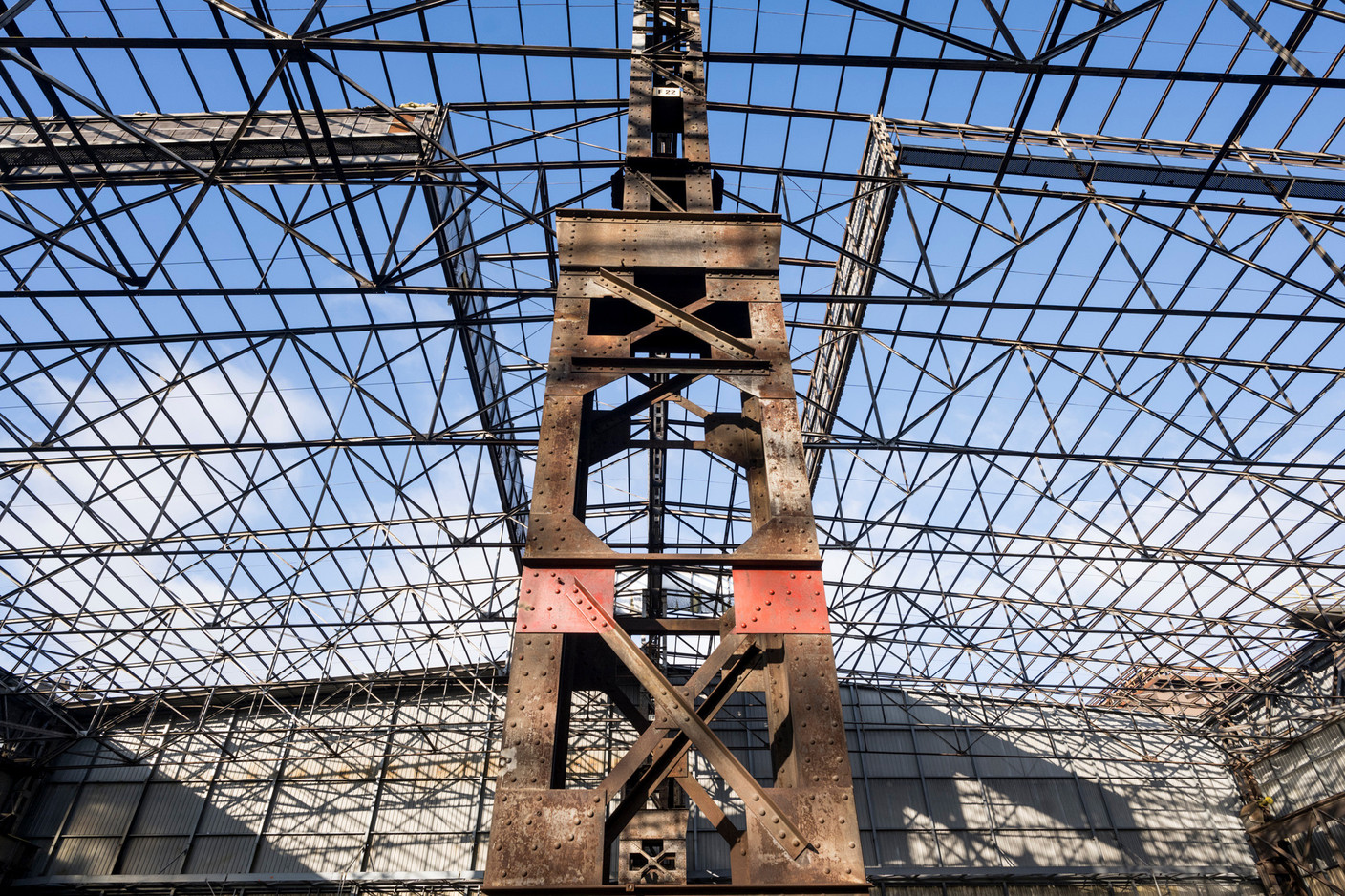
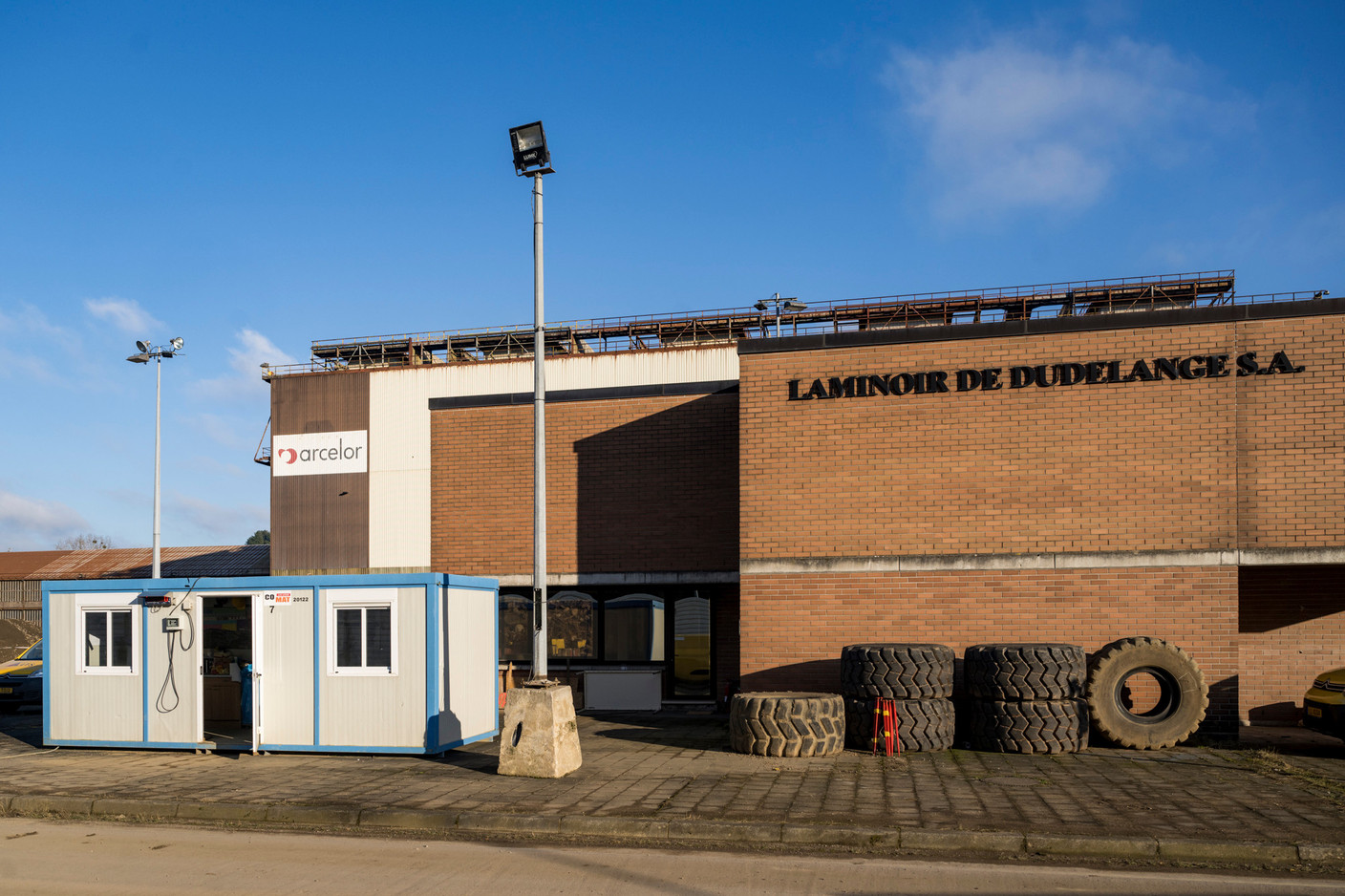
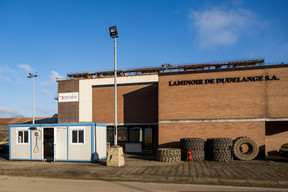
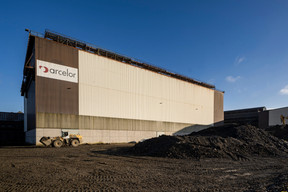
In addition to installing the heat pumps, the roofs will be used to install photovoltaic panels that will supply electricity to the heat pumps and part of the rest of the district. The roof of the rolling mill, a vast building that is to be maintained, will also be used for photovoltaics. "We have a surface area of 40,000m2 here. By changing the geometry of the roof, we can optimise it for the installation of panels, while ensuring that there is enough transparency to keep the business going underneath," says Vit.
Programmes still under development
The broad outlines of the site's programme have been drawn up, but there is still work to be done on the detail. Given the national situation, the creation of affordable housing is the top priority. 1,575 homes are planned, giving a density of 48 homes per hectare, representing around 3,500 additional inhabitants. 55% of these homes will be for affordable rent, and 45% will be for affordable or low-cost sale.
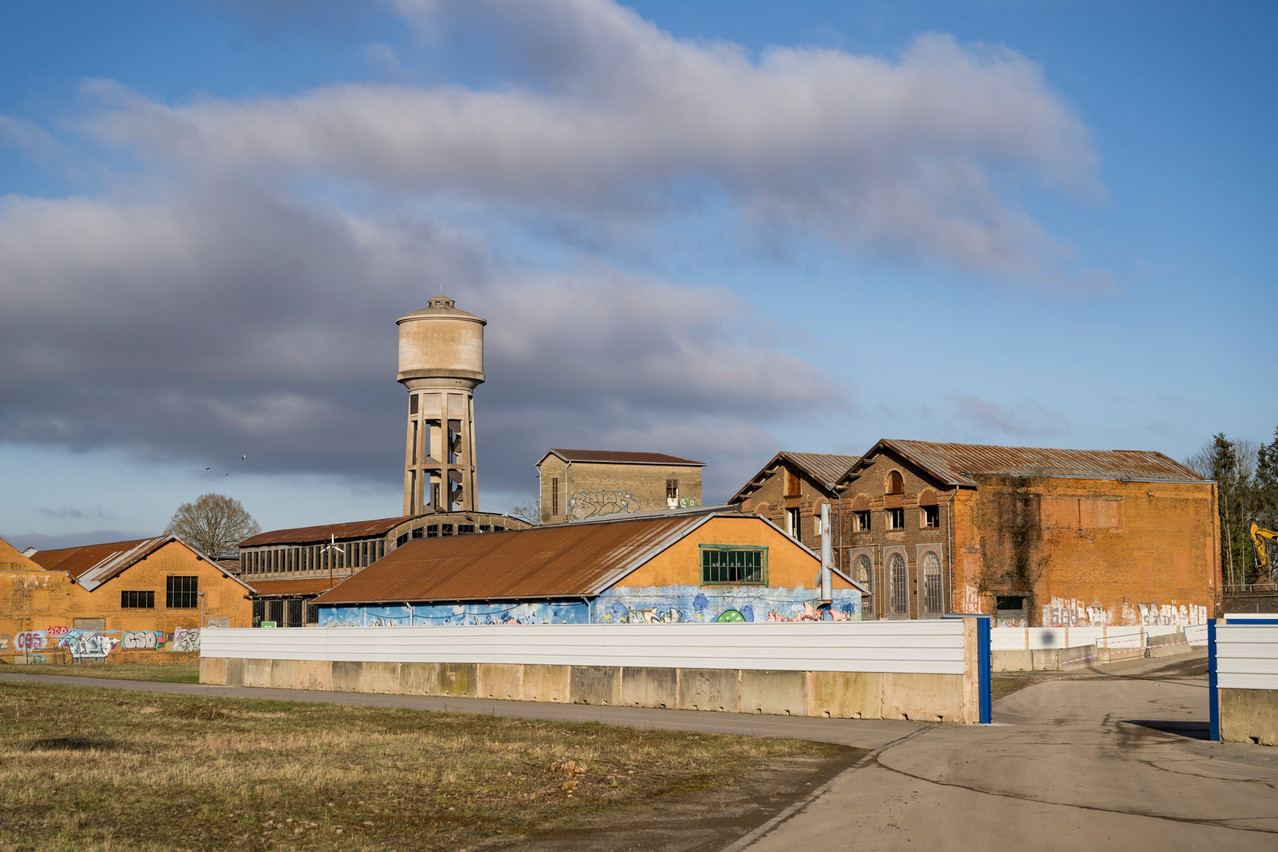
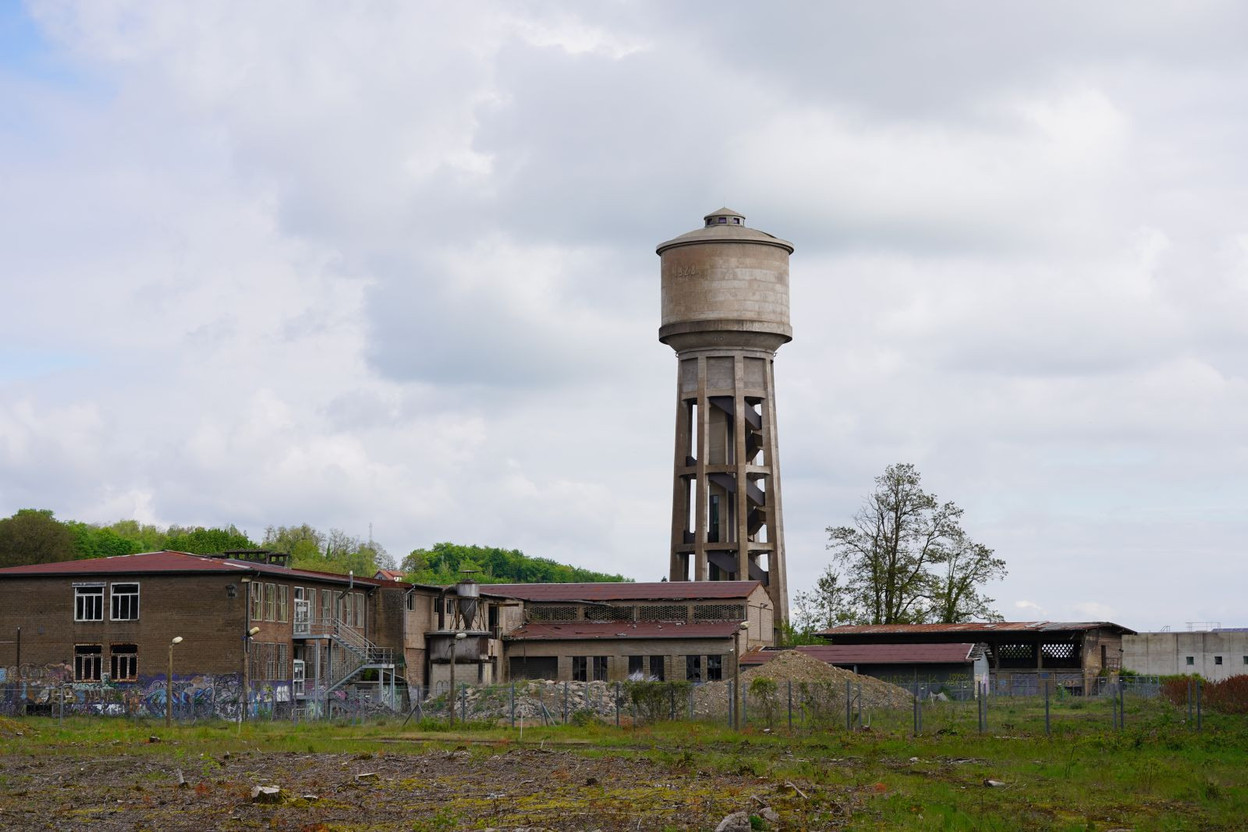
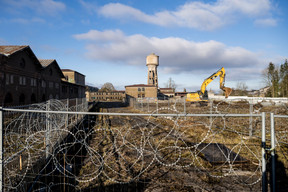
A whole series of buildings will be maintained to preserve the site’s heritage. Photo: Nader Ghavami
In addition, there will be up to 10,000m2 of commercial space and around 6,000m2 of retail space, as well as a crèche, a school, a halfway house and cultural facilities including the future National Centre for Public Collections. This new cultural facility is expected to include an exhibition space, a restoration workshop and laboratories, as well as large storage areas. "For the moment, this cultural facility is still planned, but we don't yet have details of its scale," says Vandivinit.
Remains to be restored
As already stated, a number of industrial buildings need to be preserved. "Many of them have already been demolished, but there are still a number of buildings on the site that are now protected and that we need to restore," explains Vandivinit.
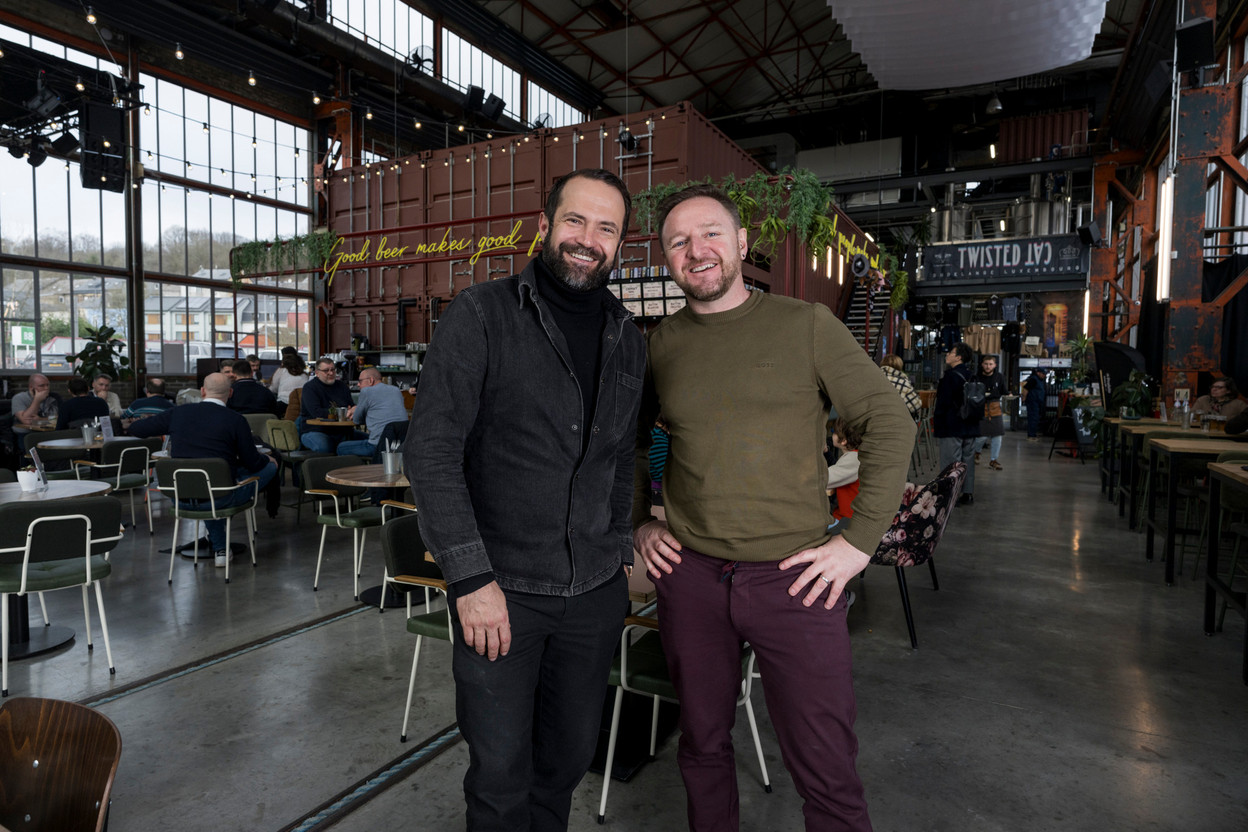
During Esch2022, work was carried out on the former cloakroom and wagonnage hall to make it more accessible to the public and to give the site a new lease of life before it is developed. This transitional urban planning approach has enabled Vewa to see the light of day and remain active to this day.
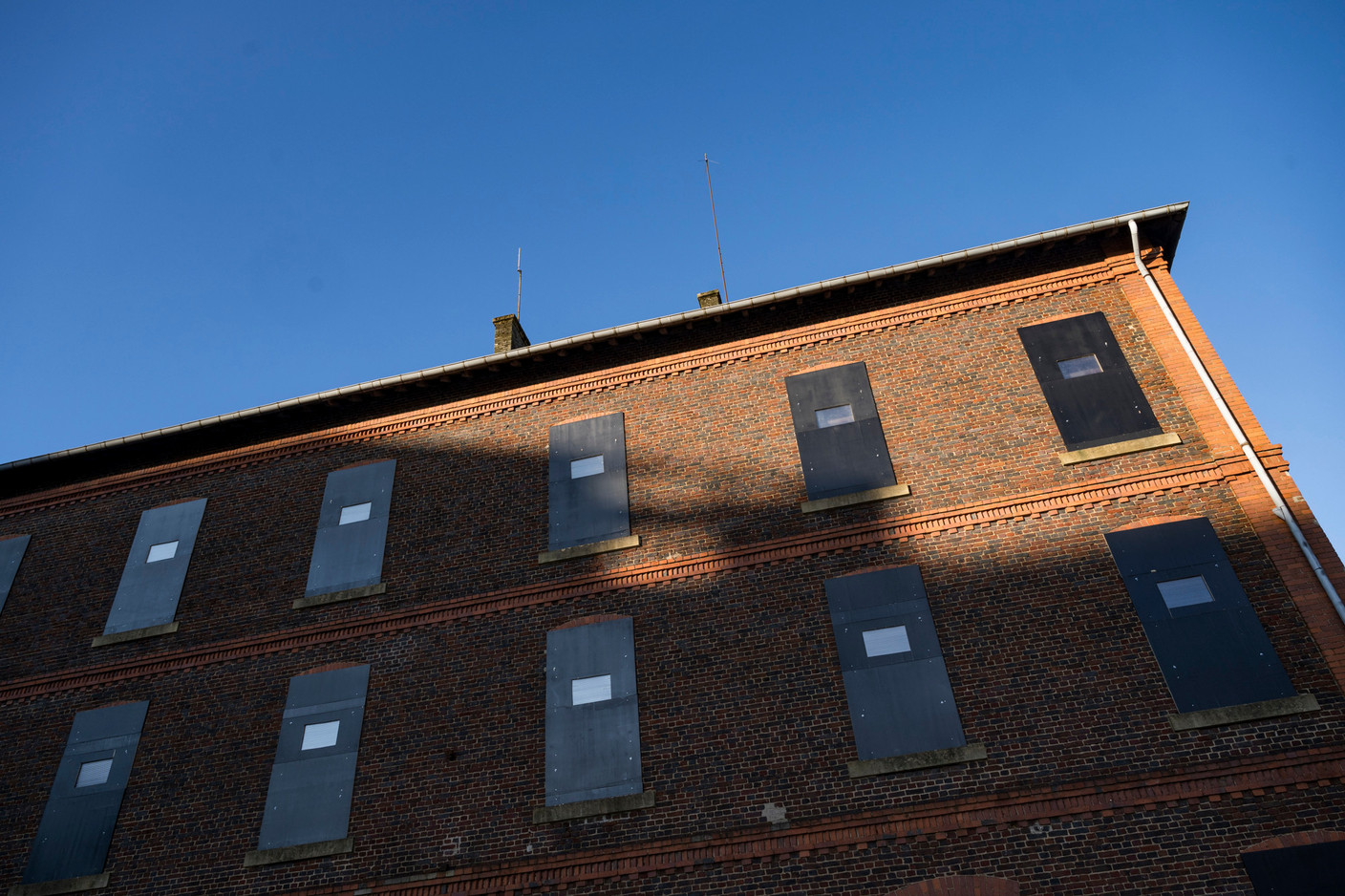
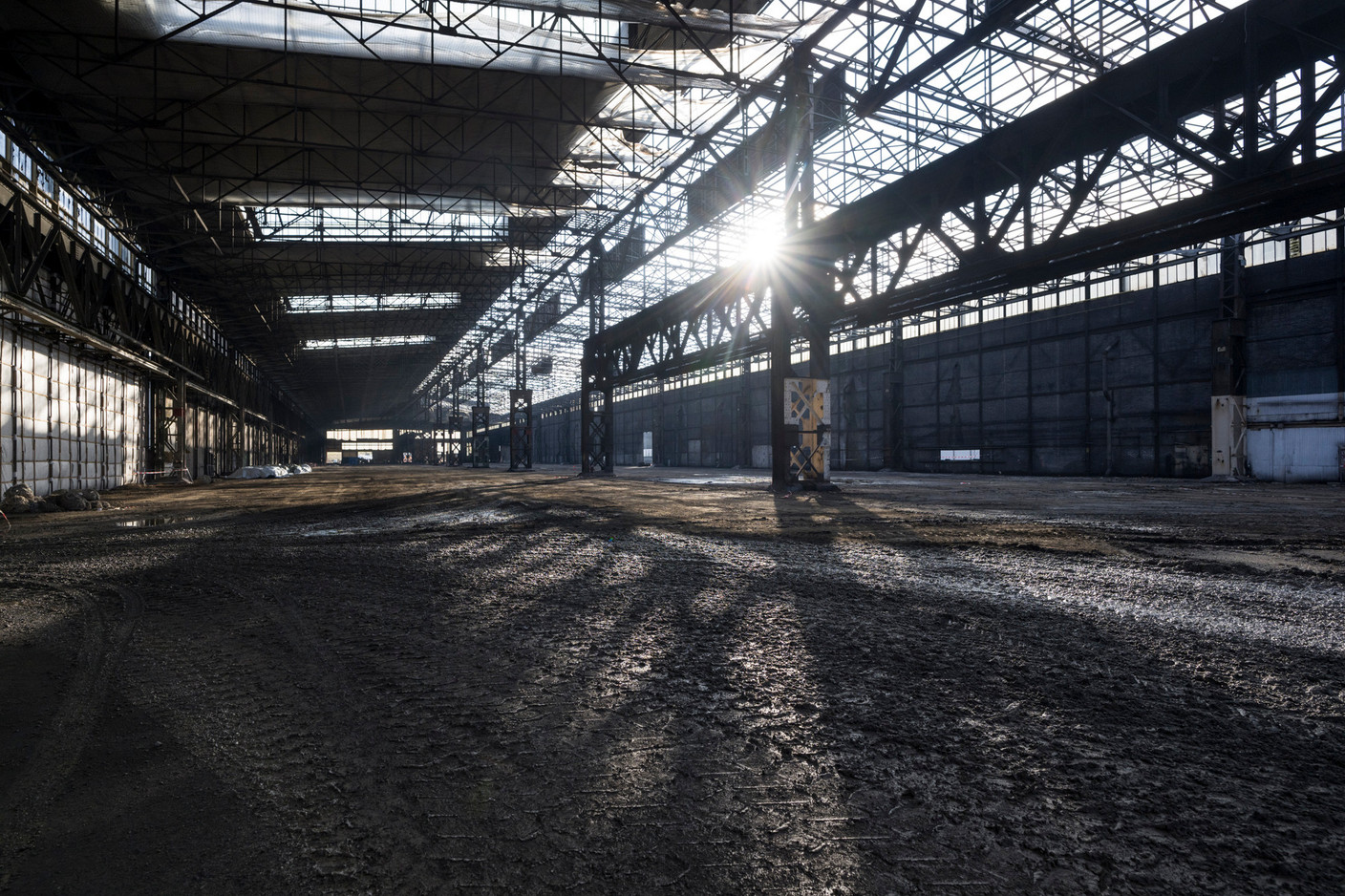
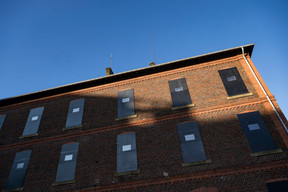
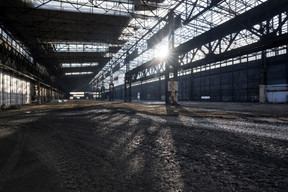
The former locomotive hall at the entrance to the site has also been restored and is now home to the Kantin project. The Pumpenhaus, which is now used by the National Audiovisual Centre (CNA) as an exhibition space, the cooling ponds and the red house, which used to house offices, will also be preserved. This building had a more social vocation and will certainly retain this orientation. A dance school will also be housed in one of the buildings. For the moment, it is housed onsite in a temporary building.
Lastly, it should be noted that this project has been the subject of two funding laws, with the state contributing €507.5m. This budget covers the costs of cleaning up, upgrading the site and developing housing.
"We are monitoring expenditure very closely and so far, costs are under control," states Vandivinit.
Read the original French-language version of this news report here / lire en français