In a parliamentary question asked by MP 

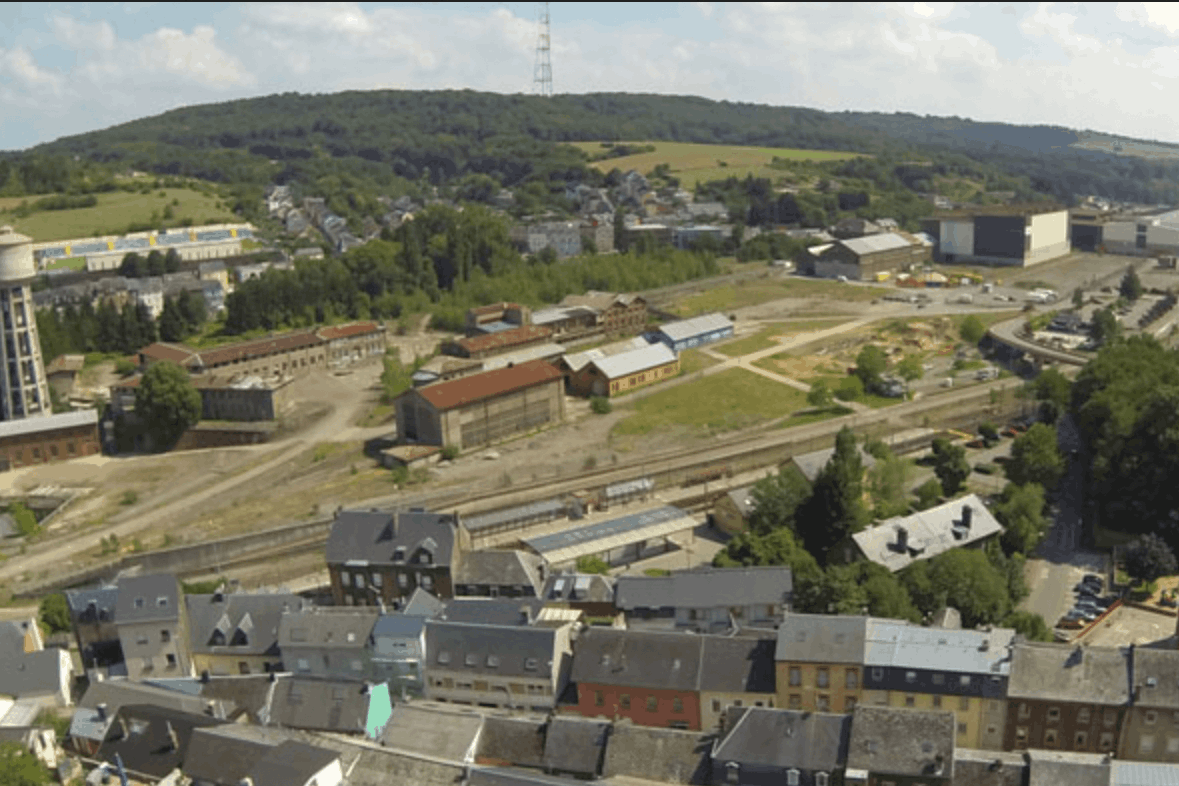
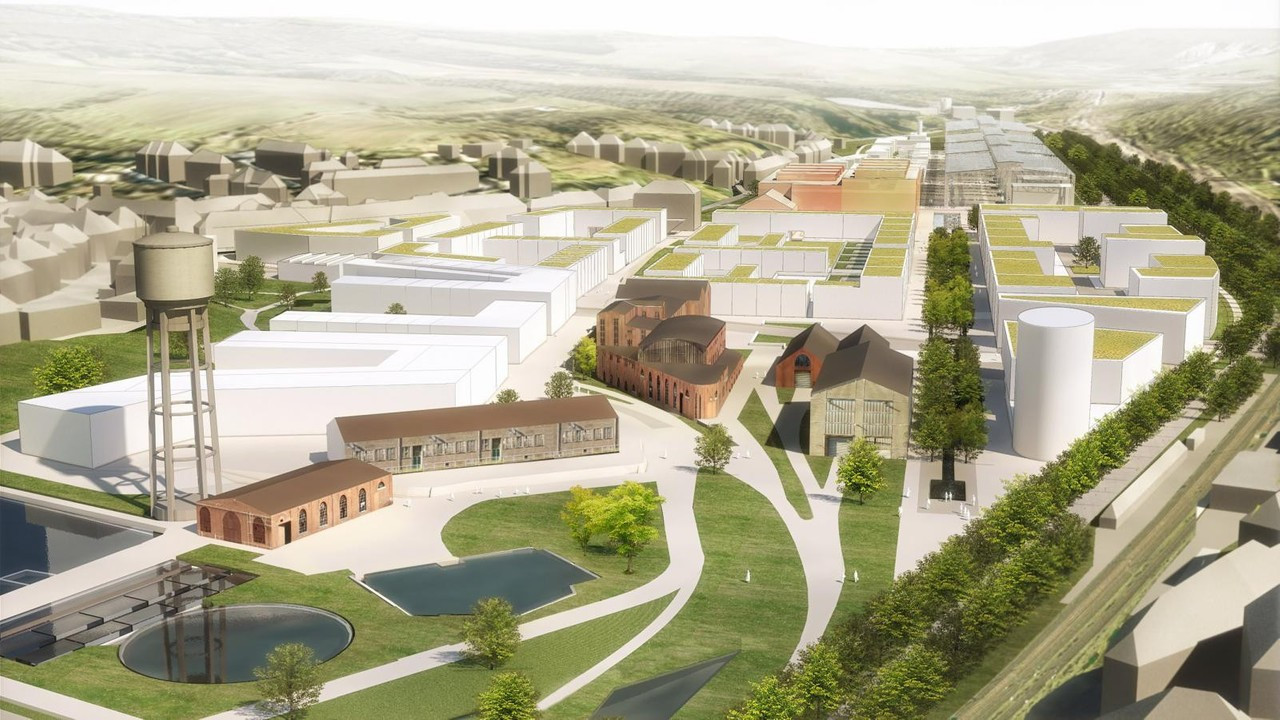
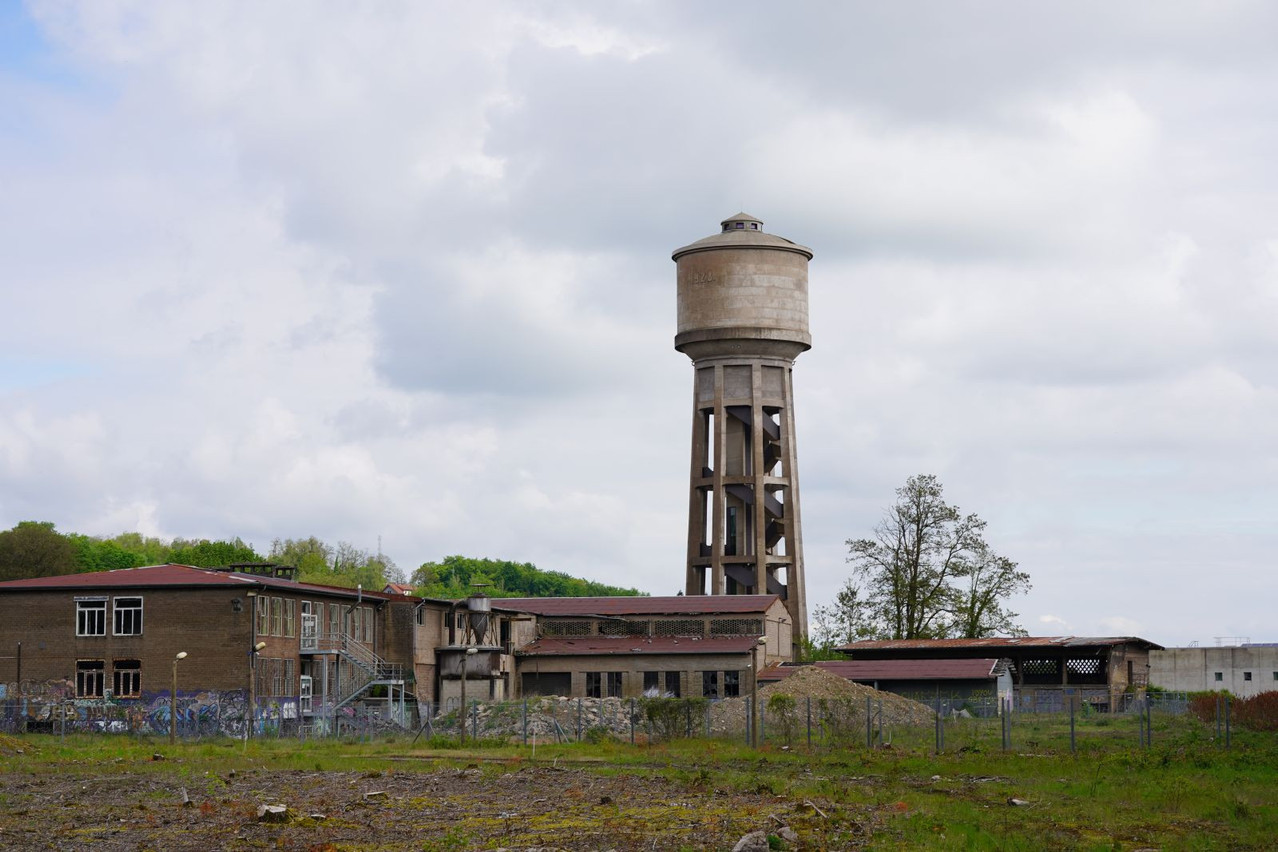
The Neischmelz project was considered eligible for this programme, and €24m was earmarked for its energy concept for affordable housing. This subsidy was possible because the project aims to put in place an innovative energy system based on deep geothermal energy (a first in Luxembourg, which consists of pumping and reinjecting underground water located at a depth of more than 800 metres) combined with thermal solar panels.
However, to set up such a system, it is necessary to carry out reconnaissance work beforehand to validate the studies. This involves drilling a borehole to a depth of 1,000-2,000 metres. Before this borehole could be drilled, an environmental impact assessment (EIA) had to be carried out, as required by law, and a natural habitat for protected species was discovered, preventing it from being completed on time. What’s more, as the borehole is located in direct proximity to French territory, the French authorities were involved in the process. Added to this was the uncertainty surrounding the environmental impact of the drilling and the coordination of the project with the development of the urban planning project…
In short, according to the parliamentary response, there were many obstacles which meant that the assessment procedure took almost four years and that the drilling could not be completed within the initial timeframe, making it impossible to validate the final energy concept which had to be submitted within a certain timeframe in order to obtain the European funds earmarked for the Recovery and Resilience Facility (FRR) on which the RRP was based.
However, this non-granting of subsidies does not appear to jeopardise the financing of the Neischmelz project, as it is stated that “the transfer of the related funds to the REPowerEU chapter avoids any financial prejudice for the Luxembourg state,” which is the guarantor of the financing of this part of the project. REPowerEU is a European Commission programme launched in 2022 to move away from dependence on fossil fuels by 2030, in response to the Russian invasion of Ukraine. REPowerEU therefore supports the transition to green energies, including geothermal energy.