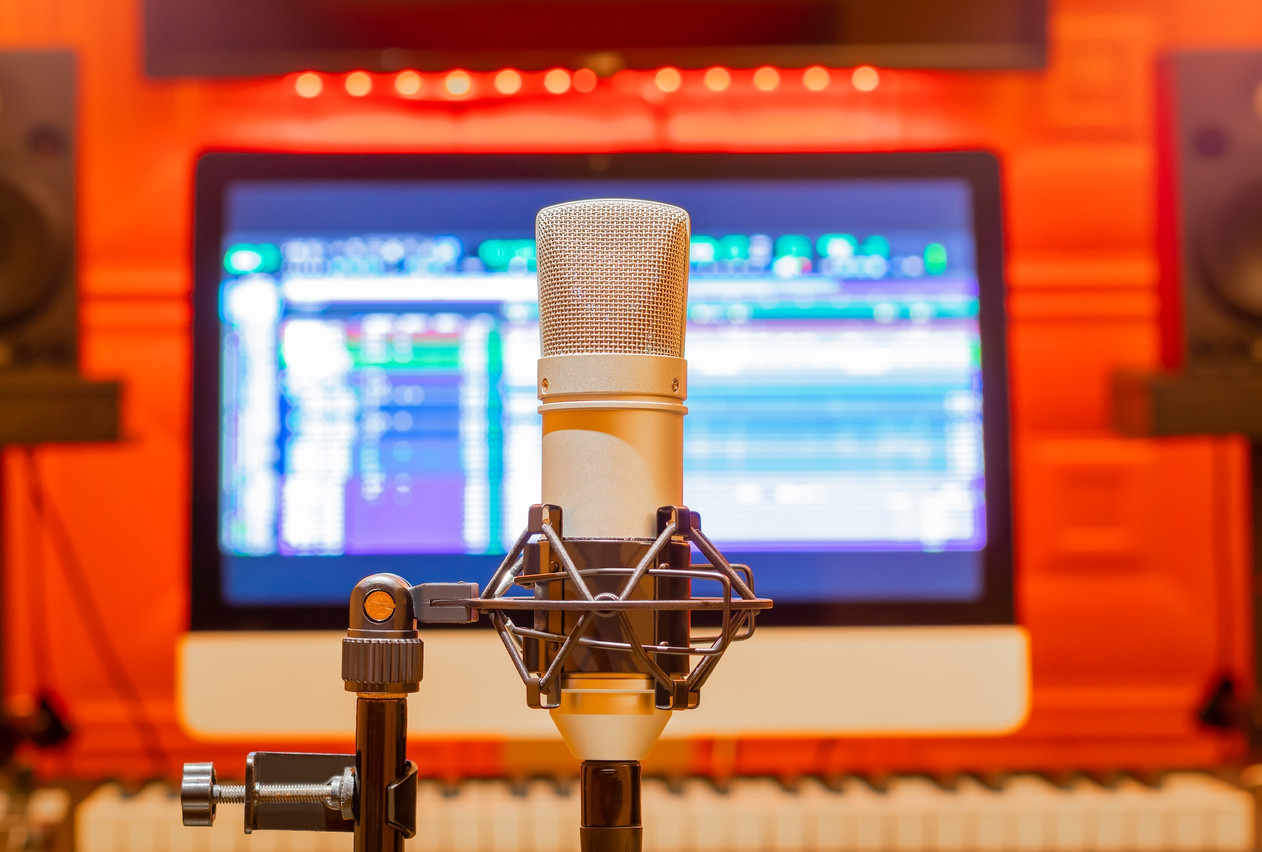
The name of the project is The Sound of Data. The idea is that data--from traffic info, to covid-19 stats, to body scans, to historical databases--is going to be sonicised; that is, transmogrified into sound. From there, selected musicians will use this sonic output to compose new works, and perform them live on stage at the Rockhal on 3 December 2022.
The Rocklab has opened a call for musicians to be part of this project. Those selected for the residency will participate in a series of workshops run by experts like Valery Vermeulen, whose work blends mathematics, science, sound and musical composition. Vermeulen, as well as DJ Max Cooper, will also perform at the show on 3 December.
“Participants should be a tad adventurous,” says the call, “and, above all, open-minded.”
Details
Applicants must also be at least 18 years old. They don’t have to live in Luxembourg, but they will have to be on site in Belval for the workshops.
Amateurs and professionals from any music genre--groups or individuals--are welcome to apply. English will be the language of the whole project. No experience with music software is necessary, though it might be an advantage.
In the call, the organisers express their interest in diversity and a measure of localness. “We are basically open to everything and want to see first what comes along. However, it is important to us that the overall outcome reflects the music scene in the greater region to a certain extent.”
Applications are due on 6 May 2022.
Find out more information about the call for artists here. The official launch of the project will take place at the Science Meets Music event on 1 May.
The Sound of Data is jointly put on by the National Research Fund (FNR), the Rockhal, the University of Luxembourg and the Luxembourg Institute of Science and Technology (List).