The policy of major building projects
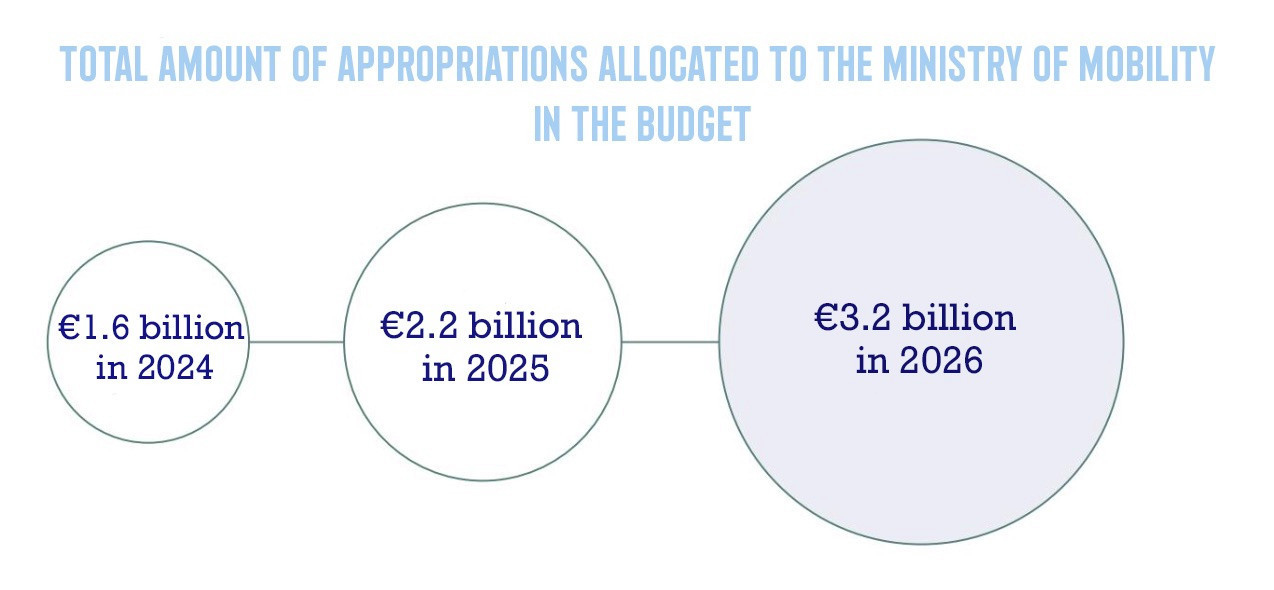
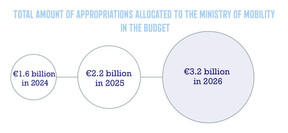
This year once again, the budget has been generous when it comes to mobility, a key element of competitiveness along with salaries and housing. “The budget for the ministry of mobility and public works for 2026 amounts to €4.5 billion, recording an increase of 10.8%”, indicated Finance Minister 
Spending on roads will reach 2.6 billion euros over the next four years. This is a direct recognition of the importance of the car. The government also plans to boost bus transport with a budget of €2.5 billion up to 2029. Expenditure will focus on school transport, Mobibus, Adapto and the RGTR bus network.
The CTBT will be strengthened with the creation by 2027 of a new joint syndicate between the central government and the southern municipalities concerned, with a total budget (including the municipalities) of €904 million over the next 10 years.
By air? 44 million is earmarked for a new virtual control tower, €202 million for a capital injection into Luxairport SA, of which 100 million will come from the State budget, and 21 million between 2025 and 2027 for the extension of the Fuelfarm. Findel Airport is more strategic than ever for the country, “a showcase for the economy, trade, logistics, tourism, security and resilience.”
The car, outward sign of mobility
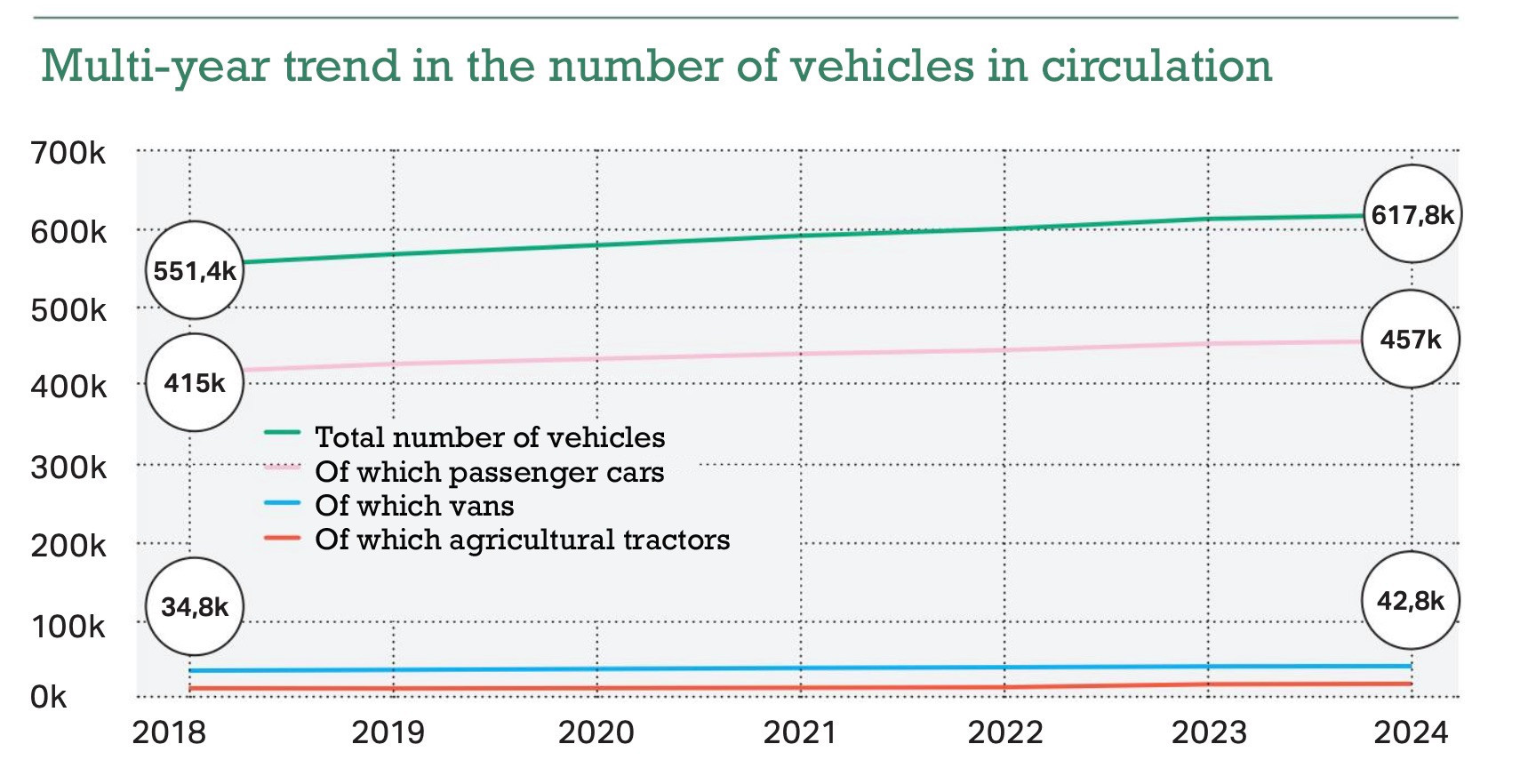
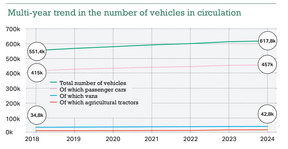
If the largest association in Luxembourg is the Automobile Club, it is perhaps not by chance; Luxembourg loves cars. With 678 cars per 1,000 inhabitants according to Eurostat in 2024, Luxembourg has the highest car ownership rate in Europe after Italy (701). What’s more, the proportion of exceptional cars is unparalleled, with one luxury vehicle for every 13 inhabitants.
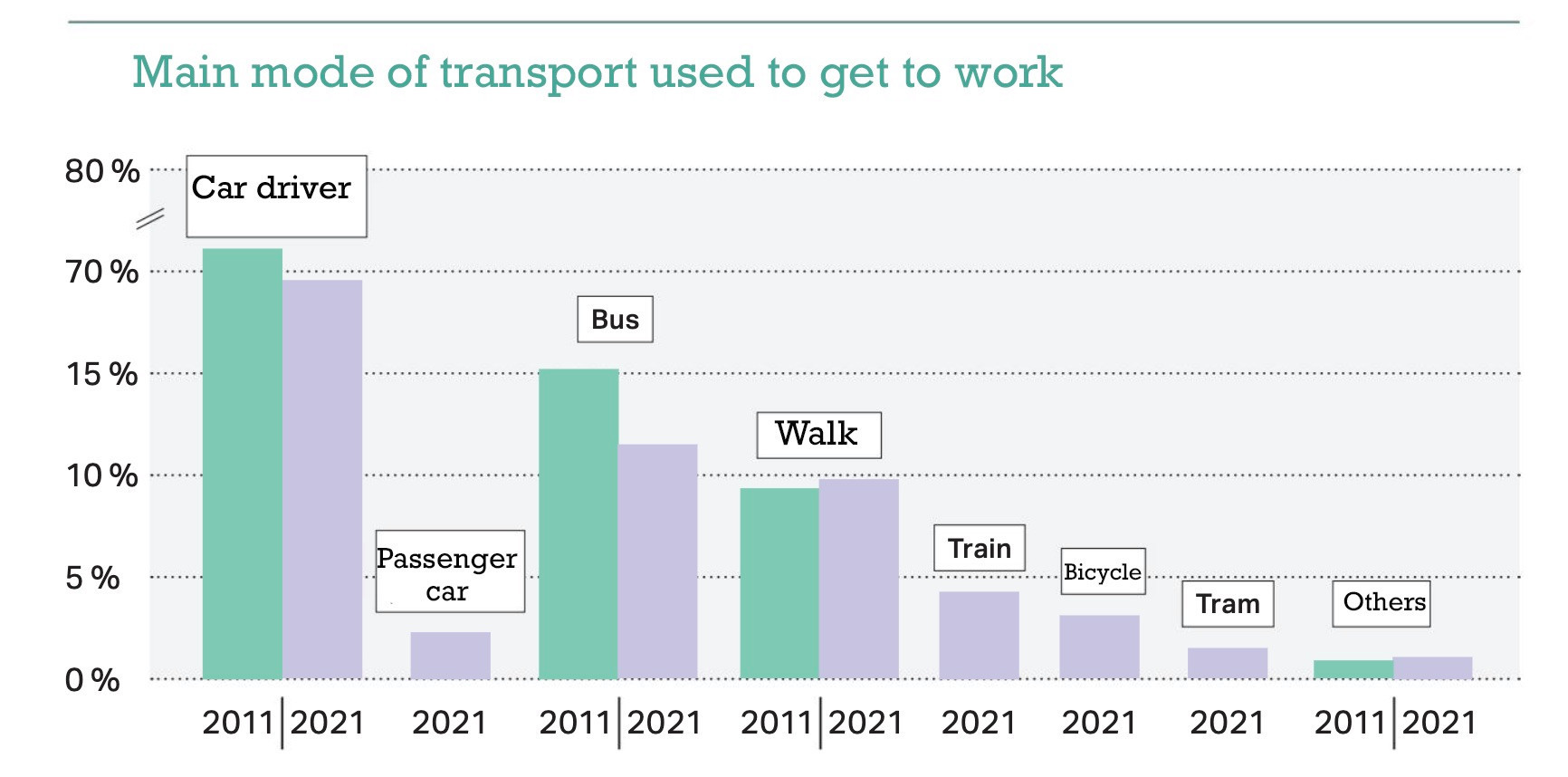
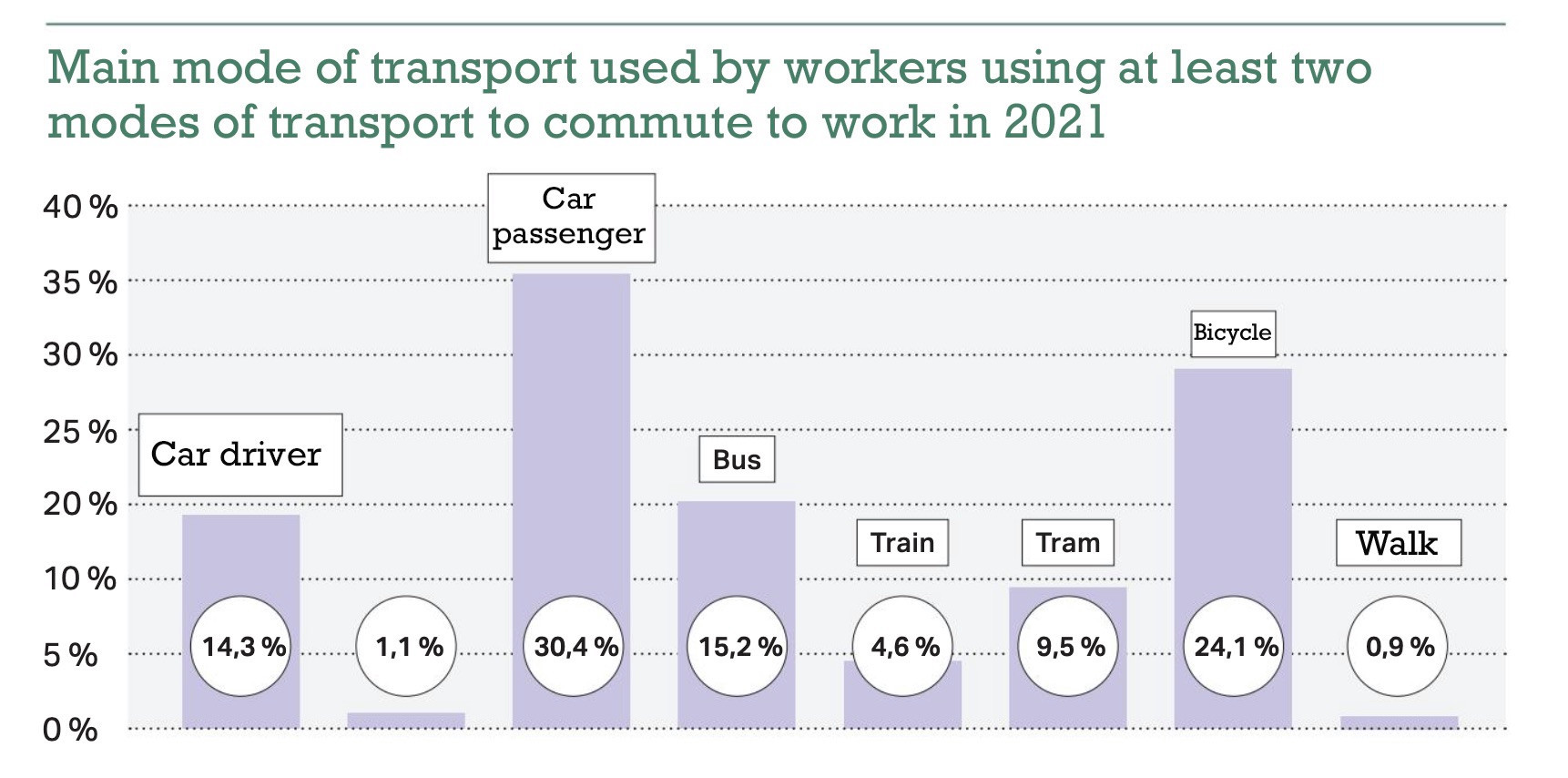
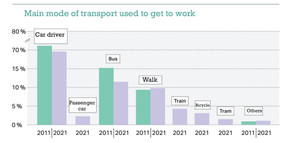
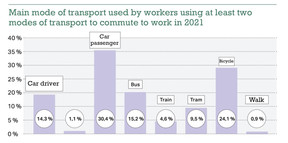
Pleasure or dependence? For two out of three working people, the car remains the preferred means of getting to work. Public transport accounts for most of the remaining third (11% of working people use the bus, 5% the train and 2% the tram). Soft modes are the main mode of travel for 12% of working people, split between walking (almost 10%) and cycling (over 3%).
52,33%
While Luxembourgers prefer to use their car to go to work, they do the same for leisure trips. 52.3% of residents used it in 2023. In 2022, the figure was 65%.
The government’s economic gamble
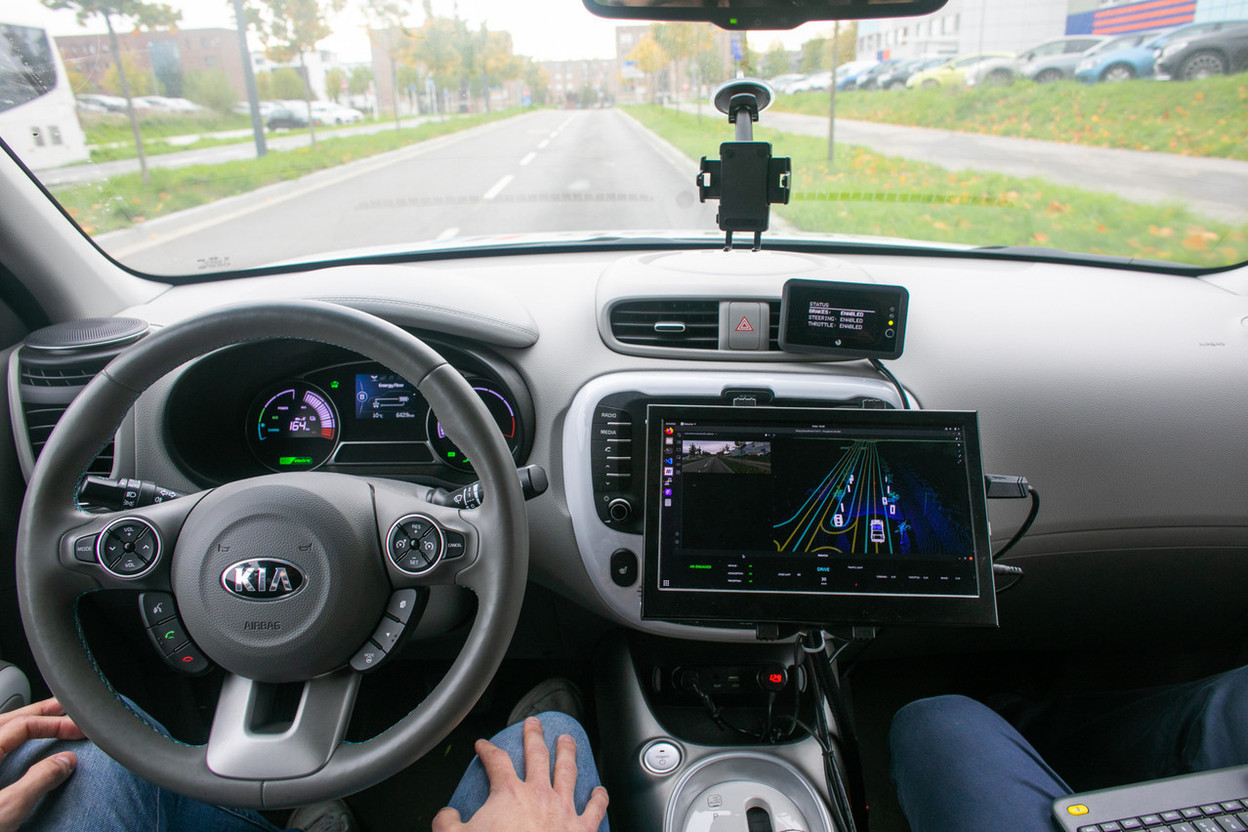
The coalition agreement makes the intelligent mobility sector a priority for economic diversification and undertakes to put in place a holistic strategy for automated and connected driving to position Luxembourg as a European pioneer in this field. This strategy, dubbed “Automatiséiert Fueren 2028”, has just been presented by Economy Minister 

On the one hand, it plans to capitalise on the existing automotive ecosystem - including the presence of key players and infrastructures such as Pony.ai, the Automotive Campus and the research support ecosystem - and, on the other, to put in place a regulatory framework that will enable the sustainable circulation of autonomous vehicles, with progressive development phases.
To make the country a leader in this field, the government has targeted six priority areas for action:
- training talent;
- strengthening infrastructure and ecosystems;
- research and the promotion of innovation;
- the development of services;
- international cooperation;
- the creation of an appropriate regulatory framework.
Currently, five priority use cases have been defined for the integration of autonomous driving:
- robotaxis;
- “last mile shuttles”;
- valet parking;
- restricted traffic sites;
- autopilot on motorways.
A bill is to be tabled before the end of the year and ideally passed in 2026.
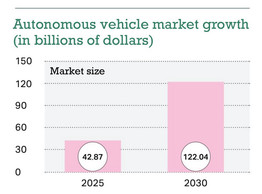
400 billion
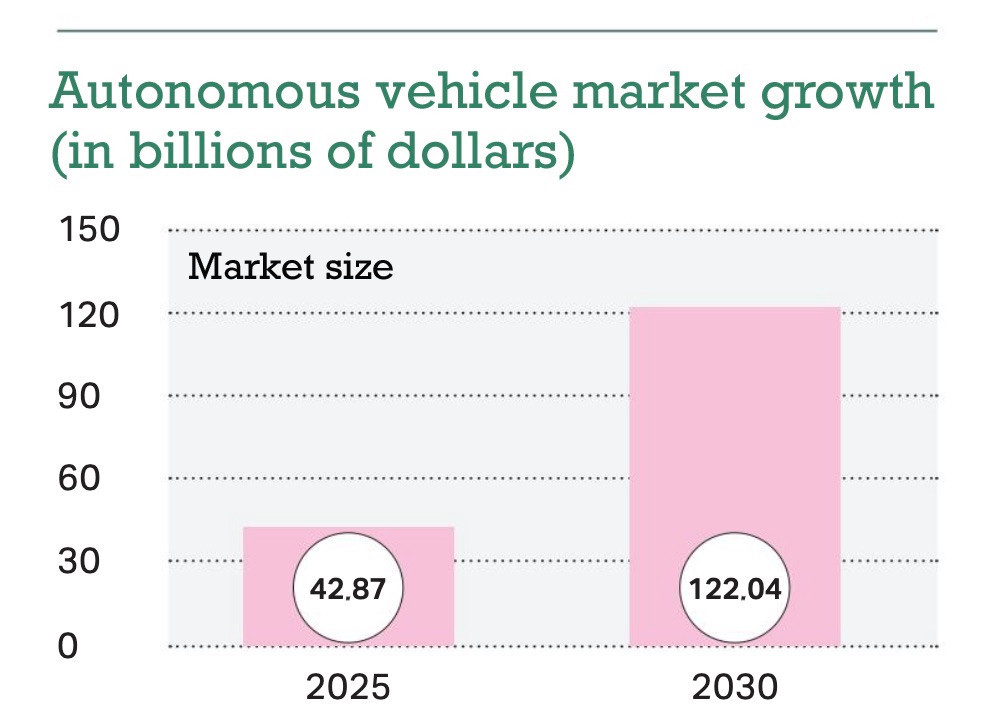
McKinsey estimates the value of the global autonomous mobility market at between 300 and 400 billion by 2035. It encompasses vehicles, infrastructure adaptation, the development of digital networks and traditional activities such as software, logistics, telecommunications, energy and insurance.
23.27%
Annualised growth rate of the autonomous car market in 2030.
This article was written for the January 2026 issue of Paperjam magazine, published on 10 December. The content is produced exclusively for the magazine. It is published on the site to contribute to Paperjam’s comprehensive archive. Click this link to subscribe to the magazine.
Is your company a member of Club Paperjam? You can request a subscription in your name. Let us know via club@paperjam.lu