The European asset servicing industry is undergoing a wave of consolidation. Larger players are acquiring smaller firms to gain scale, streamline operations, and enhance service offerings, while mid-sized providers seek mergers to stay competitive in an increasingly complex landscape.
M&A: A value-added approach
In the pursuit of value creation, acquisition and merger operations aim to generate various synergies: economies of scale, efficiency in the production chain, sharing of intellectual property, and product complementarity.
The ongoing search for innovative solutions has become a new decision-making vector. Indeed, ensuring a company’s profitability is not limited to revenue growth; it also involves the continuous optimization of its performance through better resource management, technological innovation, and a more agile organization.
With institutional clients demanding more integrated solutions and fintech innovation reshaping the industry, the race for efficiency and market leadership is accelerating – making consolidation not just a trend, but a necessity for survival.
At the core: synergies
It is important to remember that acquisition is just the first step in a growth plan, and the success of an operation comes not only from a transaction with the most favorable conditions for the buyer but, more importantly, from the ability to maximize the expected and generated complementarities from that same transaction.
It is not uncommon to find that some transactions fail during the target analysis phase due to a vague or overly uncertain evaluation of synergies. A poorly developed or even absent action plan can also lead to execution difficulties post-transaction. These synergies encompass all dimensions of a company. They are financial, operational, and organizational, requiring a roadmap and post-transaction efforts, which are often neglected.
The human element at the heart of integration
Another essential element is the X factor: the human factor. The success of a transaction does not only depend on numbers and execution but also on the buyer’s ability to mobilize its teams and those of the target to implement the planned integration. Thus, this plan must include the identification of key individuals, the retention of essential talents, and the promotion of collaboration among all parties.
Indeed, the human factor is often at the core of the main reasons for the failure of post-M&A integrations. Cultural differences —or resistance to change – between the merged entities can lead to tensions, misunderstandings, and demotivation among staff. The absence of effective leadership or structured governance contributes to slowing down decision-making and significantly undermines strategic coherence.
Instability, workforce reductions, and reorganizations push essential employees to leave the company, thereby weakening the organization and depriving it of valuable skills and know-how. These talents are crucial because of their expertise and in-depth knowledge of the environment which are significant assets for the company.
As experts, when we advise our clients, our assessment of a counterparty goes beyond a simple financial analysis.
Leave no room for uncertainty
Ultimately, a lack of communication and transparency breeds uncertainty, which can result in widespread demobilization and foster an atmosphere of distrust, or even hostility. During the closing of a transaction, the ability to align the interests of all parties involved becomes a crucial factor in ensuring the success of the deal.
To ensure the success of mergers and acquisitions, it is essential to consider the whole picture, including the human factor, a solid integration plan, and transparent communication. This allows companies to maximize their value creation potential and ensure a successful transition.
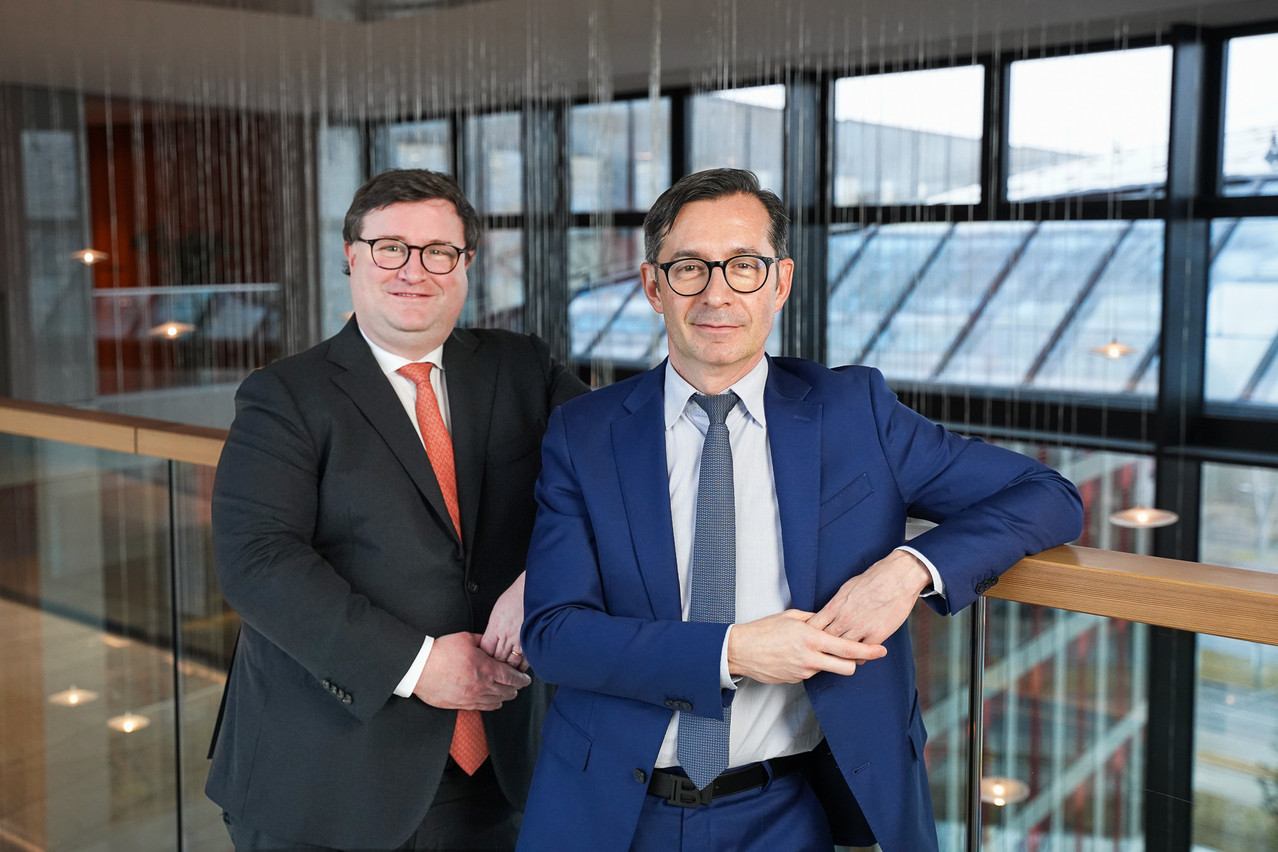
Brice Lecoustey, EY Luxembourg Consulting Partner and Asset Servicing Leader
Grégoire d’Avout, EY Luxembourg Partner, Strategy and Transactions