Two shops in Luxembourg, a third in the pipeline, and an e-commerce platform are set to come under the umbrella of the same Chinese group. Mediamarkt and Joybuy will soon be united under a single commercial, logistical and technological powerhouse. On Tuesday 3 November, the European Commission authorised JD.com’s takeover of Ceconomy. This decision removes the final regulatory hurdle to the deal. The two groups plan to finalise it in the coming days.
JD.com had launched its bid in 2025 through Jingdong Holding Germany, a German subsidiary in which it holds an indirect 100% stake. The group offered €4.60 per Ceconomy share. Following the offer, JD.com had secured 59.8% of Ceconomy’s share capital and voting rights, for a total consideration of €1.3bn. The Kellerhals family, co-founders of Mediamarkt, are set to retain 25.35% of the share capital through Convergenta. Together, the two shareholders will hold 85.2% of Ceconomy. However, an agreement will grant JD.com the voting rights attached to the stake retained by Convergenta. The Chinese group will therefore control Ceconomy without directly owning 85.2% of its share capital.
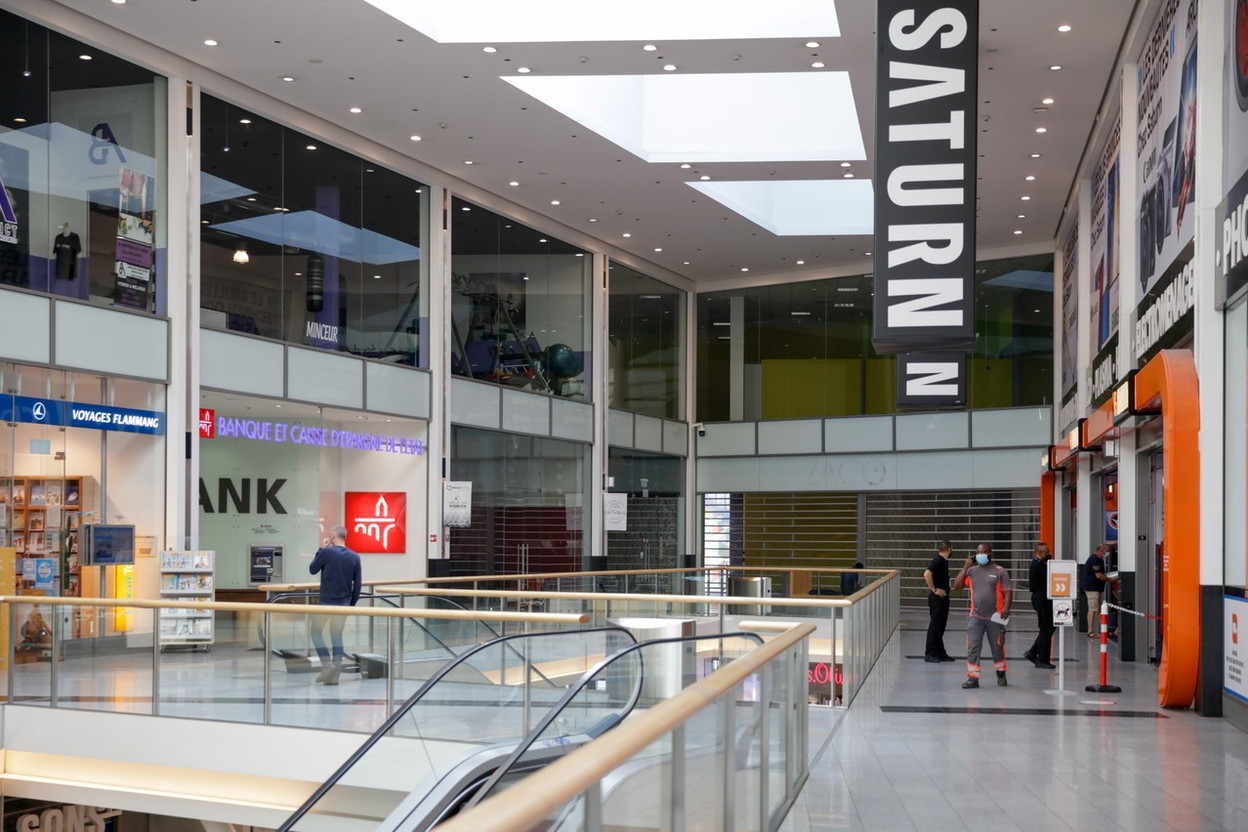
Ceconomy manages Mediamarkt-Saturn from Düsseldorf. The group operates more than 1,000 shops in 11 countries under the Mediamarkt, Saturn and Mediaworld brands. It employs around 50,000 people. In Luxembourg, Mediamarkt has one shop on Avenue de la Gare in Luxembourg City and another at the Belval Plaza shopping centre in Esch-sur-Alzette. Its website also announces the opening of a new shop in Pommerloch.
A “turnkey” European network
JD.com is taking things to a whole new level. The Chinese retailer generated revenue of RMB1,309.1bn in 2025, equivalent to $187.2bn according to the conversion rate published by the company. Its revenue rose by 13% year-on-year. However, its net profit attributable to shareholders fell from RMB41.4bn to RMB19.6bn. JD.com remains profitable, but its investments and the development of new business lines are weighing on its profitability.
Ceconomy, for its part, generated turnover of €23.1bn during its 2024–2025 financial year. Its adjusted operating profit reached €378m. The corresponding margin remains close to 1.6%, which is typical of a sector where volumes are high and effective management of purchasing, stock and delivery is crucial.
The acquisition gives JD.com a European network that would otherwise have taken years to build up. The Chinese group is gaining access to shops, well-known brands, teams and established relationships with electronics manufacturers.
JD.com brings its technology, warehouses and logistics network to the table. The group is already expanding Joybuy in Europe. Launched in March 2026, this e-commerce business covers, in particular, Luxembourg, Belgium, France, Germany, the Netherlands and the United Kingdom.
The merger could, therefore, have a direct impact on consumers in Luxembourg. Mediamarkt could benefit from a wider product range, faster deliveries and JD.com’s technological capabilities. Ceconomy has announced that joint teams will now be working on these projects, although it has not yet provided details of how they will be implemented on a country-by-country basis.
Ensure compliance with competition rules
Brussels’ authorisation does not amount to a blank cheque. The Commission considers that JD.com has benefited in China from preferential financing, tax breaks and subsidies that could distort competition in Europe. This support could have strengthened the logistical and technological capabilities made available to Ceconomy. In particular, Brussels has identified the risk that the new entity might have additional resources to finance its expansion or engage in aggressive pricing to the detriment of its competitors.
JD.com and Ceconomy have entered into commitments valid for ten years. Transactions and financing arrangements between the two groups must comply with market conditions. JD.com must also offer certain logistics and technology services to third-party retailers on terms equivalent to those granted to Ceconomy. An independent trustee will monitor compliance with these obligations.
At the same time, the group has committed to maintaining Ceconomy as an independent company in Europe, with its own technological infrastructure. No changes to staff numbers, collective agreements or sites had been envisaged in the initial investment agreement.