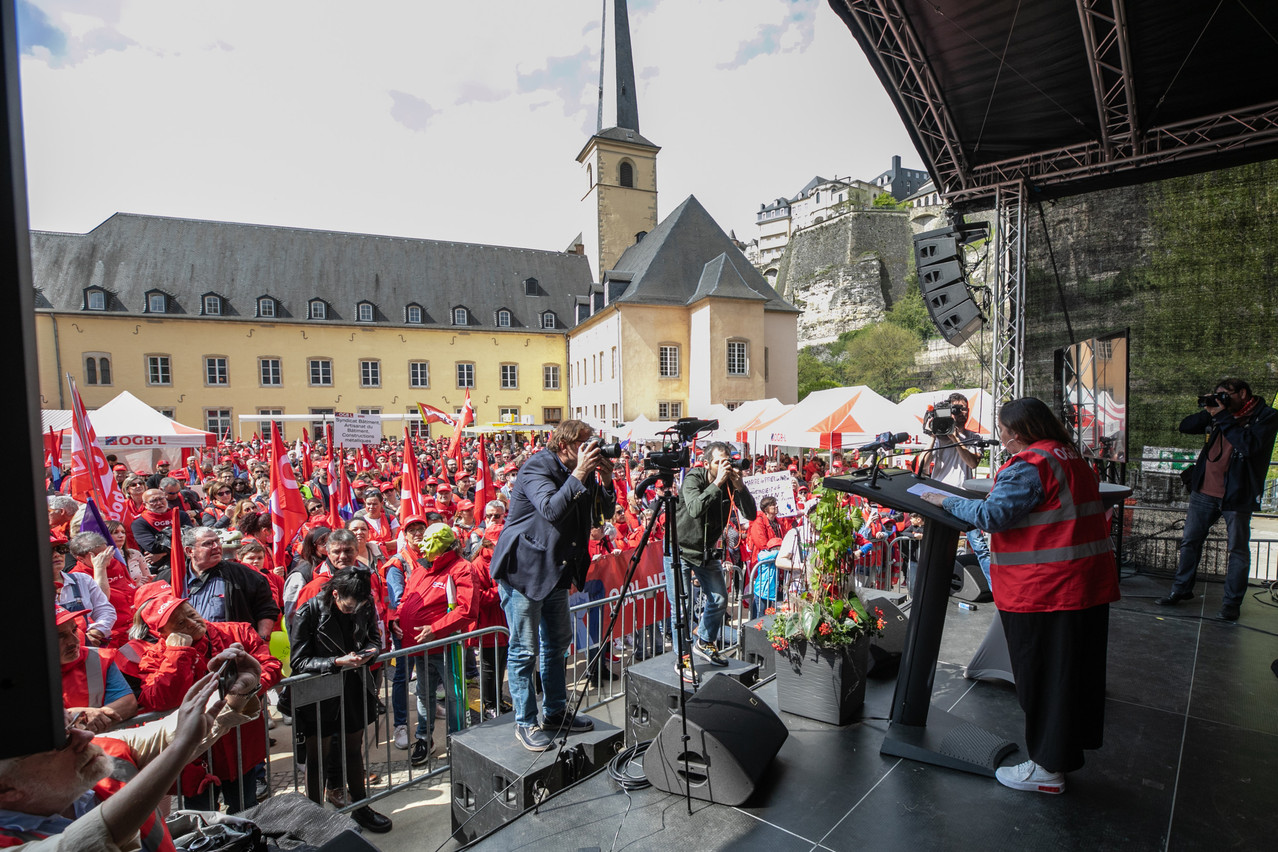
This year, Labour Day took place in a particularly busy context, with the recent social elections, the formation of the new government and the imminent European elections. These political deadlines dictated the speeches of union leaders, adding a political dimension to a day traditionally marked by worker solidarity and social demands.
The presidents of the country’s main trade unions--


Wage reforms and defence of indexation
The OGBL’s Back called for a 10% increase in the minimum wage, urging: “It’s necessary, it’s fair and it’s long overdue.” She also defended the wage indexation system, which is crucial to preserving employees’ purchasing power: “If we’re talking about wages, what would a May Day speech be without the index? It can’t be manipulated, moved, changed or covered up.”
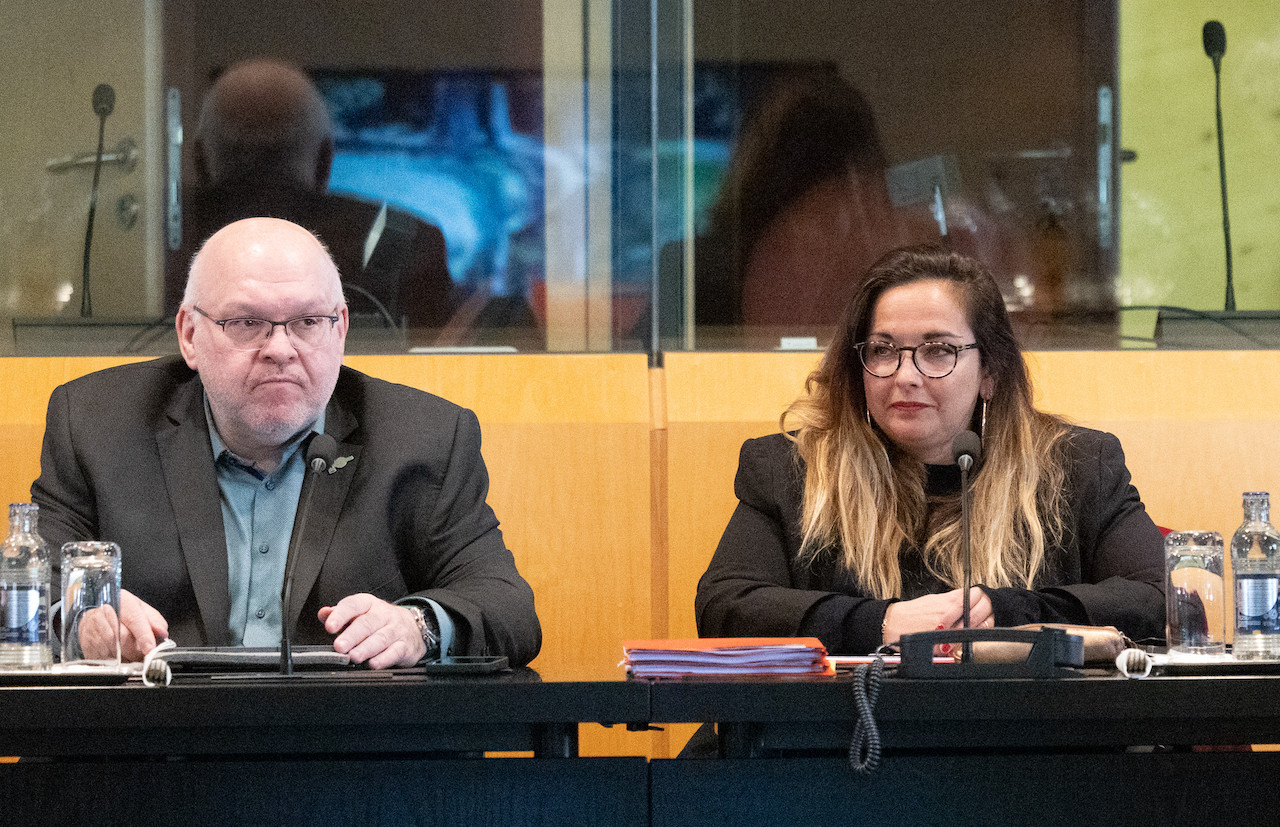
Dury of the LCGB concurred, while stressing the need to ensure that increases are balanced so as not to have a negative impact on employment: “We support the idea of protecting purchasing power, but it must be done in a way that does not harm the competitiveness of our businesses.”
Housing crisis
The housing crisis was a point of friction between the unions. Back criticised property speculation and called for urgent government intervention. “The housing crisis requires budgetary management that decisively breaks up speculation in the property sector.”
Dury broadened this perspective by calling for structural measures: “We need to massively increase supply to meet demand and stabilise prices. This requires substantial investment in housing construction, with the support of structures like the Housing Fund (Fonds du logement).”
‘A state within a state’
The health sector came in for criticism, particularly from Dury, who portrayed the National Health Fund (CNS) as failing: “It has turned into a state within a state, self-indulgent and incapable of tackling digitalisation.” He called for far-reaching reforms to improve services and reduce waiting times.
Back supported this criticism while pointing to the need to strengthen the public health system: “We must ensure that improvements do not lead to two-tier medicine, where only the richest get the best care.”
Towards a multi-sector defence
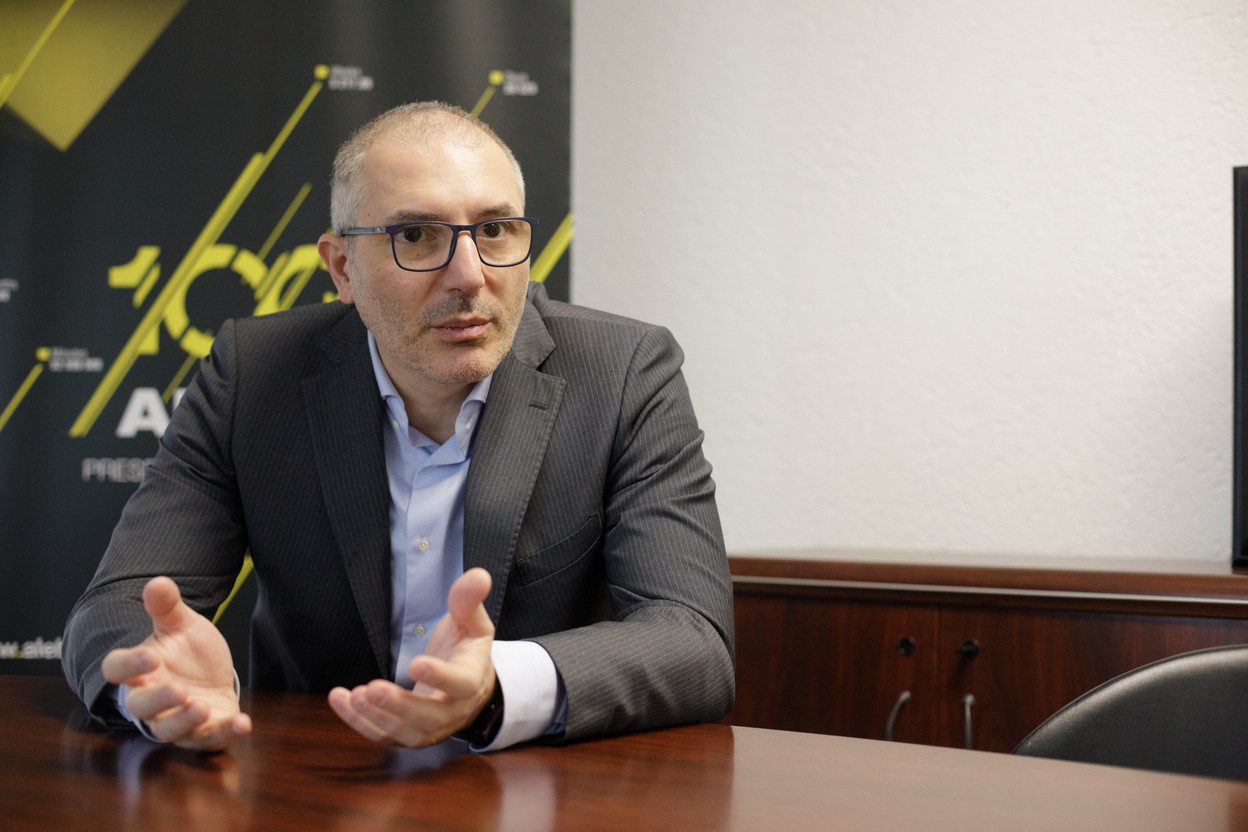
Mendolia from Aleba stressed the importance of adapting to changes in the labour market, which is “one of the greatest challenges for employment”. He pointed out that “in the age of artificial intelligence, we need to supervise work with maximum human intelligence.” This position illustrates Aleba’s transition towards a more inclusive defence of workers, adapted to modern challenges: “We are now a union for everyone, ready to defend every worker in Luxembourg.”
Originally published in French by Paperjam and translated for Delano