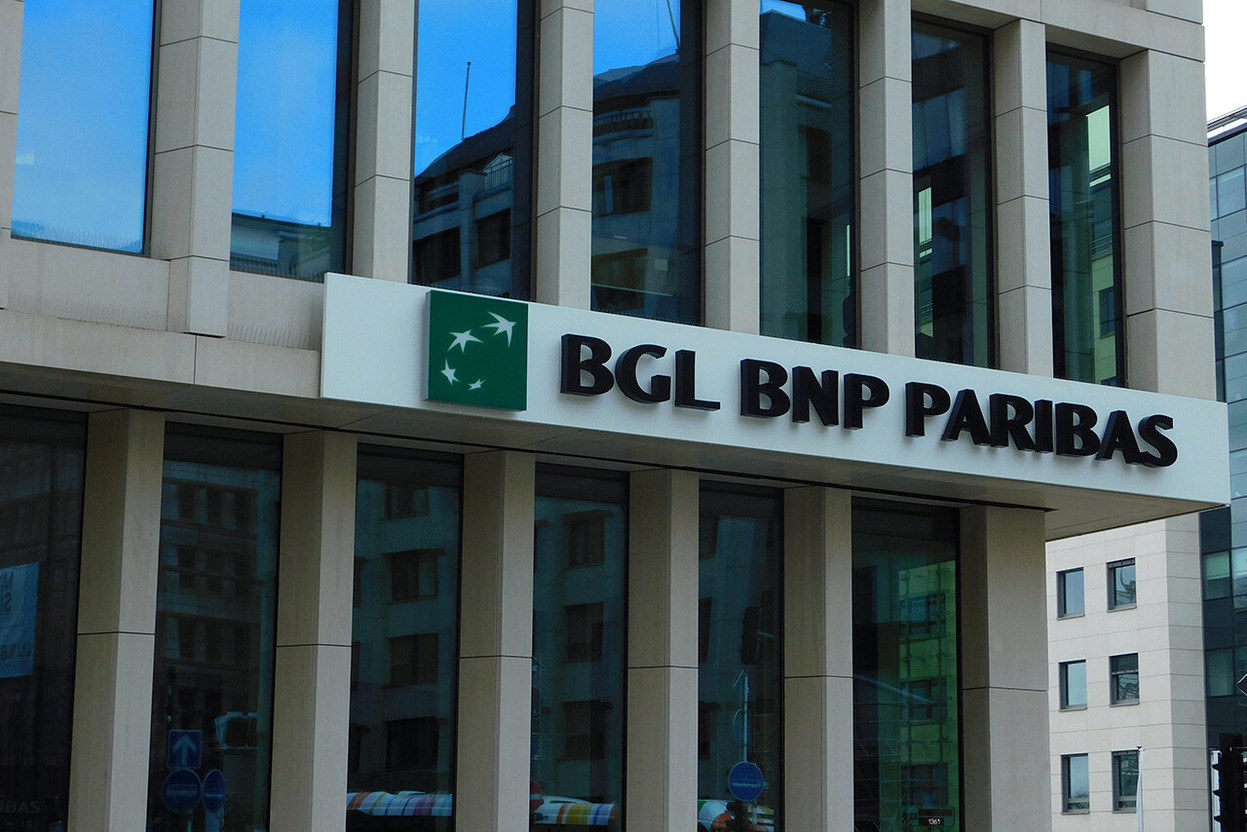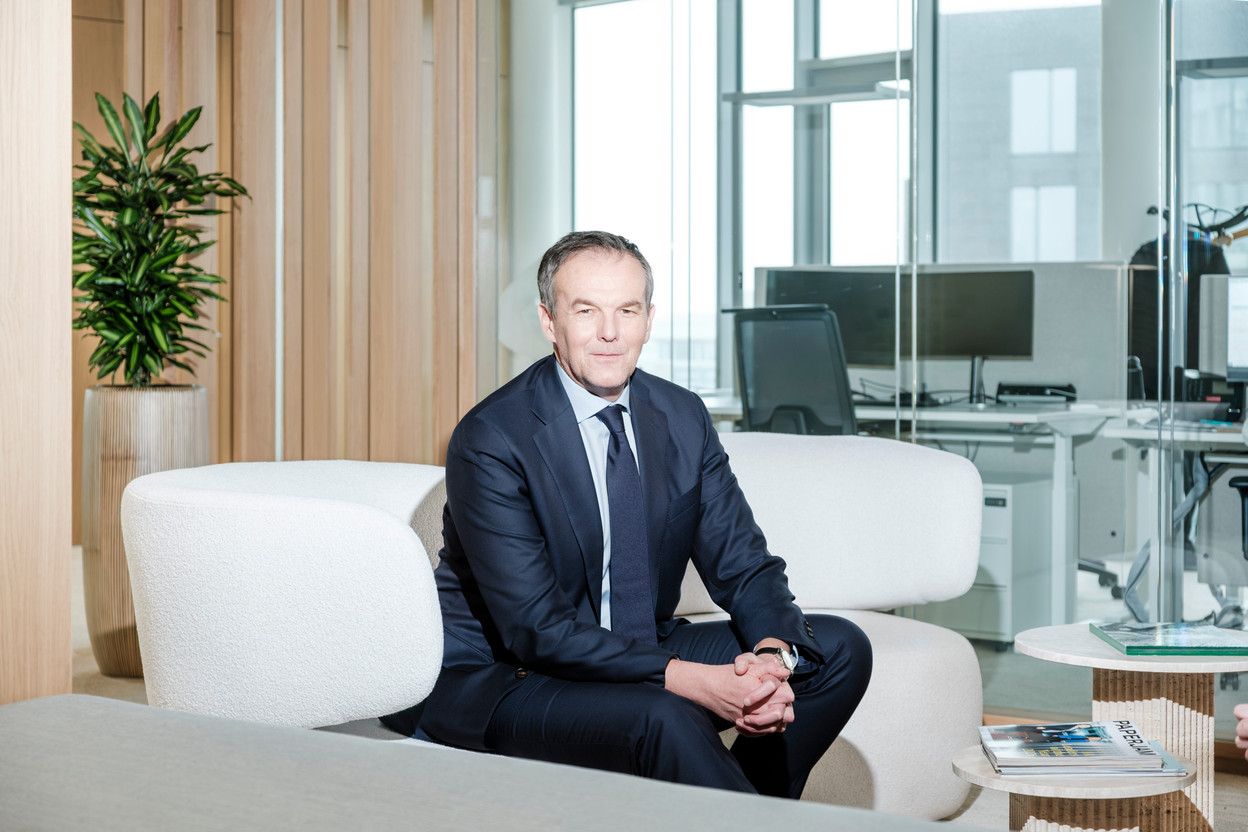
One in seven people in Luxembourg now holds a Revolut account. Announced by the neobank in October 2025, this figure alone sums up the transformation that has swept through the banking sector in recent years. “Multi-banking is clearly on the rise,” confirms Markus Stegmann, head of retail banking at BGL BNP Paribas. The trend is particularly pronounced among younger generations, who are naturally comfortable with fully mobile interfaces. In total, around twenty neobanks are now active in the Luxembourg market.
Beyond the numbers, however, these new entrants raise a fundamental question: why continue paying banking fees or visiting a branch when an app allows you to open an account in minutes, monitor spending in real time and make international transfers with just a few clicks?
“Customer expectations have evolved toward greater immediacy, simplicity and control, particularly for everyday banking needs. Customers now compare their bank not only with other banks, but with all the digital experiences they encounter daily--e-commerce, platforms, mobile applications,” observes Stegmann.
This shift goes beyond the neobank phenomenon itself. “It is also linked to a broader trend we have observed since the pandemic: the accelerated digitalisation of habits, the growing importance of mobile devices and the widespread adoption of self-service experiences,” he says. “Neobanks have acted as catalysts, but they are not the sole drivers of this change.”
Nevertheless, they have helped redefine industry standards. Smooth and intuitive mobile experiences, real-time payments and transfers, greater autonomy for routine transactions, and simplified onboarding have all become the norm, forcing traditional banks to adapt.
What traditional banks do not want to become
Aligning with the standards set by neobanks does not mean adopting all of their codes. On the contrary, BGL BNP Paribas deliberately maintains certain differences.
“Some ‘super app’ approaches or highly peripheral non-banking services are not always consistent with our positioning as a regulated universal bank, locally rooted and responsible in terms of security and data protection,” explains Stegmann.
The bank also believes that digitalisation should not come at the expense of human relationships.“We are committed to maintaining a human dimension in the customer relationship. Our objective is not to become a fully digital bank measured against the same benchmarks as neobanks, but rather to create a new balance: digital solutions for simple needs that customers can manage independently, and human interaction for high-value advice and support. Likewise, there can be no compromise on security and compliance: our customers’ trust depends on it.”
Pricing is another point of differentiation. Neobanks have largely built their success on the promise of free or low-cost services, an argument Stegmann considers somewhat simplistic. He notes that BGL BNP Paribas already offers competitive entry-level solutions for accounts and payment cards, while premium packages include benefits related to international payments and travel.
“The debate goes beyond price. It is increasingly about the relationship between value and usage. Free offers often address limited needs, whereas a universal bank provides security, guidance, stability and solutions for more complex situations. Our challenge is to make that value more visible and tangible in the everyday customer experience.”
The branch is not dead, but it must evolve
The rise of neobanks raises another question: the future of physical branch networks. Long considered one of the main competitive advantages of traditional banks, branches are seeing their role evolve as everyday transactions move online. Scheduling an appointment during office hours to make a transfer or update personal details makes little sense in the age of instant payments and mobile apps.
For Stegmann, this does not signal the end of the branch, but rather its transformation.“We do believe that the branch model must evolve. Access to an expert who can understand a customer’s project and support them in their decisions will be at the core of tomorrow’s banking profession,” he says.
In this vision, the branch is no longer a place for executing routine transactions, but a space for advice during key moments in a customer’s financial life. When issues become more complex, “the experience is not limited to an interface: it relies on expertise, trust and human relationships, which remain major differentiating factors.”
The Trade Republic lesson
Trade Republic’s recent evolution also illustrates the limits of a fully digital banking relationship. The German investment platform, which claims more than 10m customers across 18 countries and €150bn in assets under management, long relied on a largely automated customer experience, generating significant dissatisfaction, with some requests reportedly remaining unresolved for months.
In response to criticism, the fintech changed course. In spring 2026, it announced an investment of several tens of millions of euros to reintroduce a human element into customer service, with more than 1,000 advisors available 24/7 in eight languages.
The episode highlights a paradox within the sector: while customers expect greater speed, autonomy and simplicity, they also continue to value human support when situations become more complicated or when problems arise.
Ultimately, Stegmann argues that competition from neobanks is good news for the industry. “These new entrants help raise standards across the market, pushing all players to improve. Beyond the potential medium-term impacts, we see these trends as a strong incentive to adapt quickly and to reaffirm the differentiating strengths that underpin our reputation.”
This article was written for the Customer Experience supplement of Paperjam magazine’s June 2026 issue, published on 17 June 2026. The content was produced exclusively for the print magazine and is published on this website solely to contribute to Paperjam’s complete archive.
Click this link to subscribe to the magazine.
Is your company a member of the Paperjam Club? You may be eligible for a magazine subscription in your own name. Let us know at club@paperjam.lu.