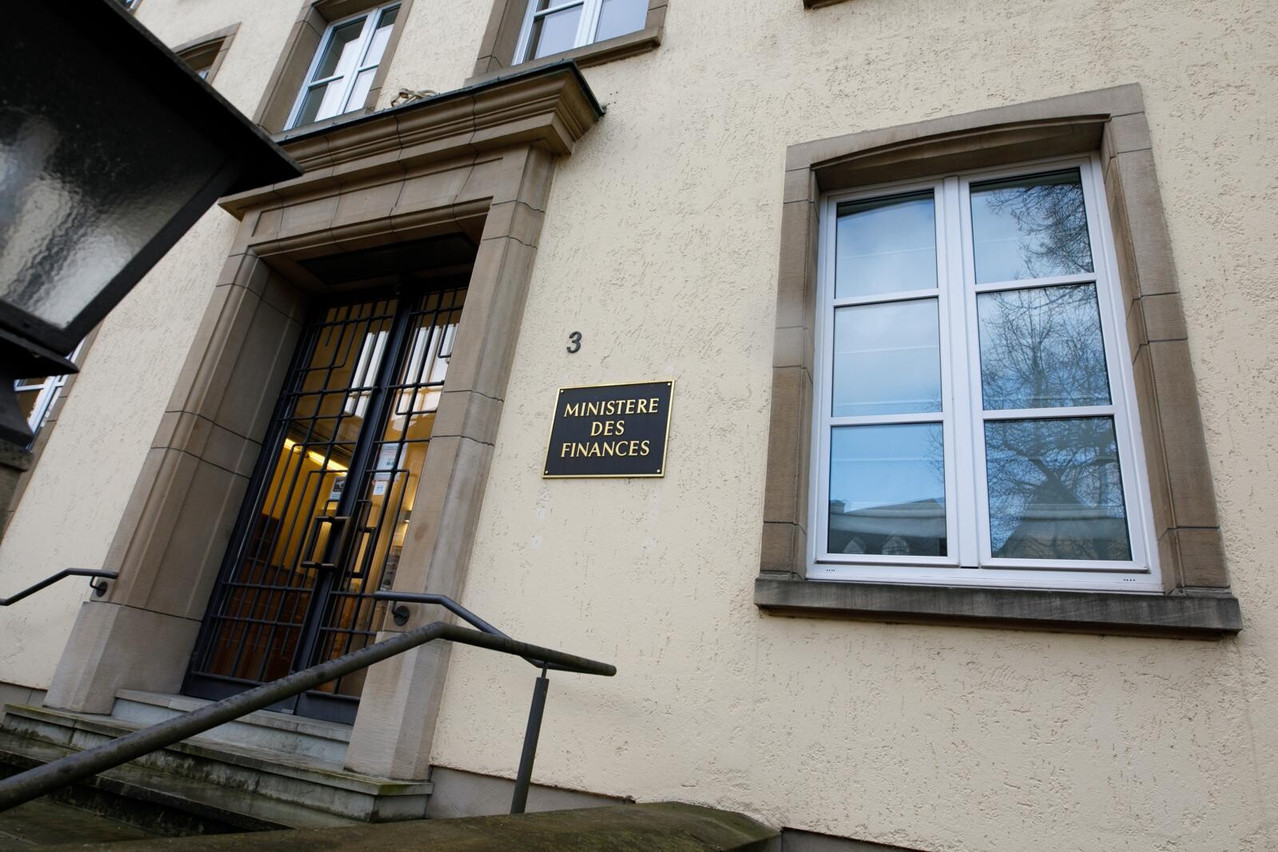
From a purely financial perspective, setting aside any technological implications, the next bond issued by Luxembourg will have a 10-year maturity and will aim to raise at least €1bn of the €3bn that the Treasury is authorised to raise on the markets by the end of the year. The exact issue date has not yet been set and ‘will depend on investor interest and market conditions’. Presenting the budget this morning, the Minister for Finance, 
At the time of the most recent issues, on 5 February 2026 – the Defence Bond, a retail bond – and on 24 March 2026 – a €2.5bn institutional bond – interest rates had reached 2.25% and 3,125% respectively. Rates were trending upwards against a backdrop of pressure on yields demanded of European governments, driven by market fears of a resurgence in expectations of a hawkish stance by central banks and serious concerns over national budgets.
In addition to building up a ‘liquidity buffer’ – the traditional justification for all Luxembourg bond issues in recent years – this operation must also, and above all, demonstrate the financial centre’s ability to deploy digital finance on a large scale. For Gilles Roth, this issue marks a world first for a sovereign bond of significant size for the institutional market that is natively based on blockchain technology.
La Place on display
In practical terms, the security will be created on the Deutsche Börse Group’s D7 platform, with LuxCSD acting as the central issuer depository. The system is based on a private blockchain with controlled access, utilising distributed ledger technology (DLT). For investors, however, this technical change should remain largely invisible. They will be able to subscribe through their usual banks and custodians, via Clearstream and Euroclear, without the need for a digital wallet, private key management or a direct connection to the blockchain.
The securities will be created on the digital register, whilst their settlement and management will rely on conventional infrastructure. The bond will be governed by Luxembourg law, denominated in euros and listed on the Luxembourg Stock Exchange. It is also intended to be eligible as collateral in Eurosystem credit operations. This feature should contribute to its liquidity and appeal to institutional investors.
The transaction involves several players from the Luxembourg financial ecosystem. Spuerkeess will, in particular, act as issuing and paying agent and coordinate settlement. The international distribution will be led by a syndicate comprising Barclays, BGL BNP Paribas, Citi, Crédit Agricole CIB and Spuerkeess.
Beyond state funding, this loan is therefore intended to serve as a full-scale trial for the financial markets. An initial trial took place during the issuance of a treasury certificate in June 2025. We are now moving to a different scale. The arrangement aims to reconcile the issuance of digital securities with regulatory requirements and the operational practices of major investors. The presentation to investors highlights improved data consistency and the fact that no direct technical integration is required on the part of subscribers. However, it does not quantify any savings on issuance costs or the cost of government borrowing.
Currently, according to the Treasury, the outstanding public debt stands at €23.99bn, which corresponds to a debt-to-GDP ratio of 26.76%. This ratio is expected to rise to 29.3% by the end of the year if the authorised €3bn is actually raised, before falling back to 28.6% in 2030.