Luxembourg does not want to go through the French debate on the Health Data Hub all over again. Questioned in the Chamber of Deputies following Paris’s decision to switch from Microsoft to a European hosting provider, the government is taking a clear stance: sensitive health data must remain under national control.
The government is pursuing a robust digital sovereignty strategy. In its parliamentary response published on Tuesday 7 April, it reiterates that the country aims to “ensure the availability of infrastructure, services and data” and to avoid legal and economic dependence on foreign countries.
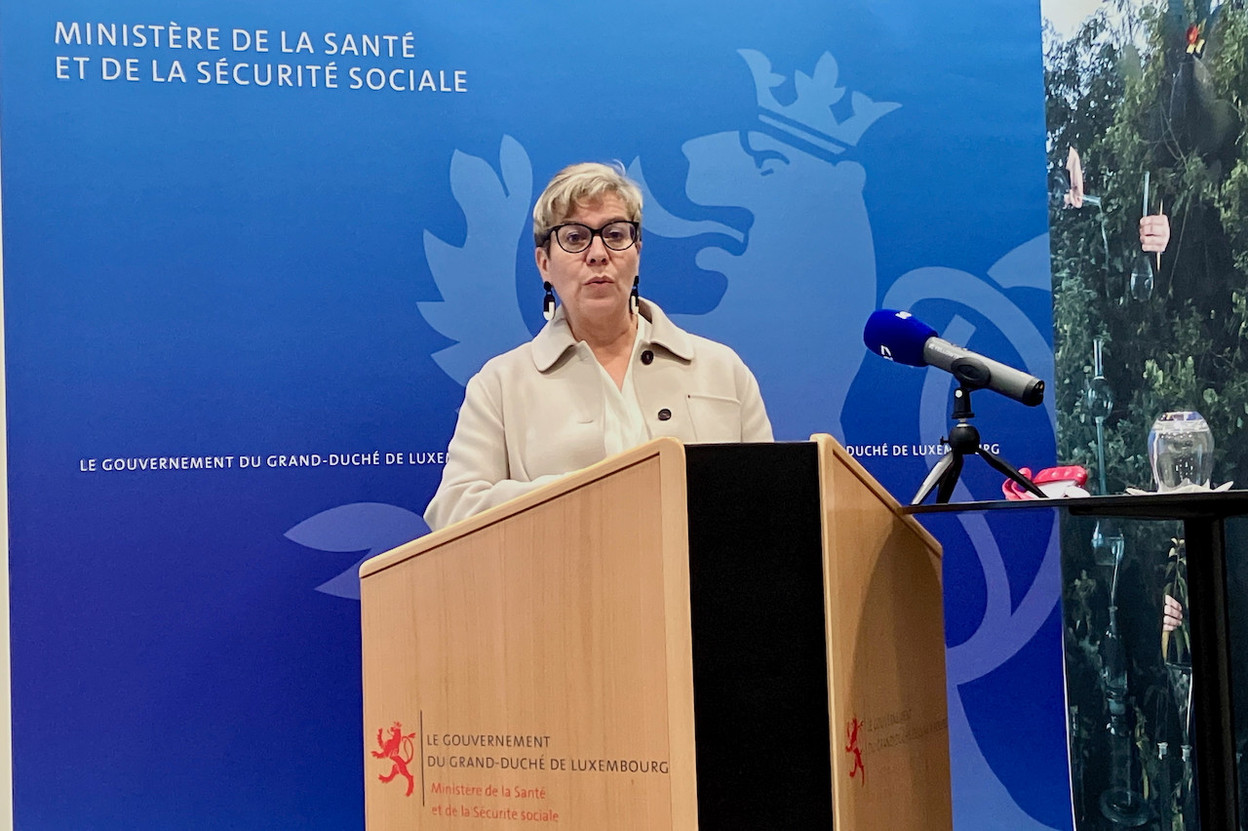
In practical terms, the core of the system is based on the government’s GovCloud, operated by the CTIE. The Ministry of Health, the General Inspectorate of Social Security and the Health Observatory already store their data there. The Minister for Health and Social Security 
A hybrid model
The Shared Care Record (SCR) is following the same path. Its new generation, linked to the European Health Data Space, will now be hosted at the CTIE. The message is clear: sovereign data remains within the country. Research, on the other hand, remains more open. Public institutions such as the LIH or the University of Luxembourg use data centres in Luxembourg, but also clouds located in Germany, in order to comply with the GDPR.
In their question, the LSAP MEPs