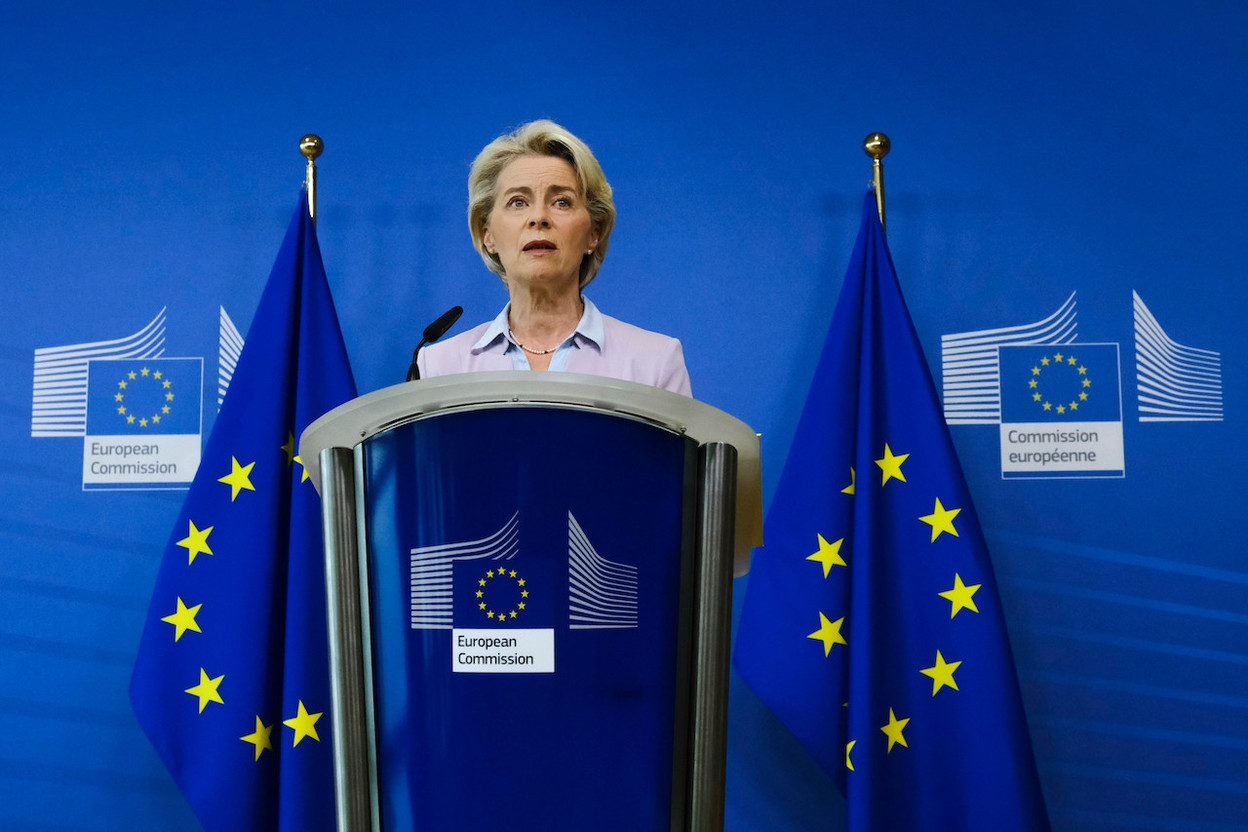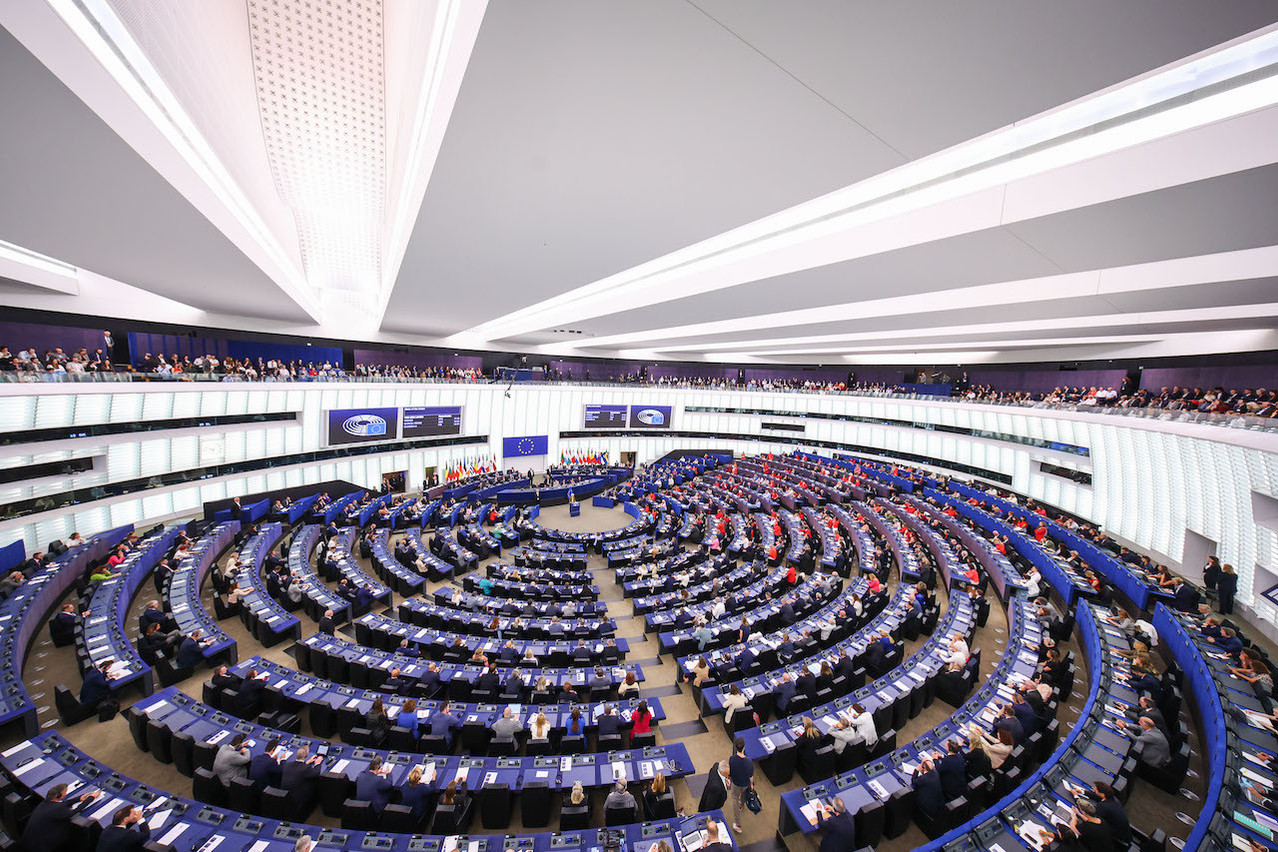
Reactions to Ursula von der Leyen’s speech highlight the sharp divisions between all the political forces in the European Parliament and the volatility of its majority (Photo: Christophe Licoppe/European Parliament)

Reactions to Ursula von der Leyen’s speech highlight the sharp divisions between all the political forces in the European Parliament and the volatility of its majority (Photo: Christophe Licoppe/European Parliament)

A speech focused on the major challenges facing the EU, one full of rhetoric and good intentions, or a speech lacking vision. Luxembourg’s Members of the European Parliament (MEPs) are divided on the impact and quality of Ursula von der Leyen’s address.

As the main party in the coalition that brought Ursula von der Leyen to the presidency of the European Commission, the EPP’s support for her was self-evident. “The Commission has rightly highlighted the major challenges facing our Union today. We are confident that it will continue to assume its global responsibility, particularly in the face of defence and economic challenges, thereby ensuring stability in Europe and strengthening our strategic autonomy. Faced with Russia, we must remain firm, reaffirm that we stand by Ukraine for as long as necessary and further increase our military support. Our Union is founded on freedom, peace, democracy, human rights and the rule of law. We must defend these fundamental values with all our energy”, commented Isabel Wiseler-LimaIsabel Wiseler-Lima (EPP/CSV) after the speech.

The imperative of cohesion

A statement that was in line with the speech by the President of the EPP Group in the European Parliament, Manfred Weber. In these remarks, he attacked his coalition partner, the S&D Socialists. “A pitiful attack, the point of which I fail to see,” said Charles GoerensCharles Goerens (Renew/DP), who sees it as symptomatic of the fragility of Ursula von der Leyen’s parliamentary majority. The victim twice in recent weeks of an ad hoc alliance between the EPP and the extreme right, first on a report on public funding for development in the run-up to the Seville conference and then on an internal report on the multiannual financial framework, he says he is worried: “This does not augur well for the future. All the parliamentarians who are members of the coalition must realise the responsibility that they have in these times.”

On the substance, Charles Goerens believes that Ursula von der Leyen “has painted a picture of the European Union that is not very complimentary for our cohesion, our coherence and she has indicated ways out. I found her speech forceful, courageous and relevant, and I was pleasantly surprised by everything she said about defending freedoms, about her desire to implement the Draghi report and to strengthen European defence”. The Liberal MEP was nonetheless critical of an aspect not mentioned in the speech, the episode of the tariff negotiations concluded in Scotland with Donald Trump. “There, she was very weak.”

Weakness and rhetoric

Weakness was the feeling that Fernand KartheiserFernand Kartheiser (Non-Registered/ADR) had after listening to the speech. A speech that “highlights her lack of vision. She is being challenged within her own majority and will have to face two new motions of censure. The Socialists are distancing themselves from the agreement with the United States. We are faced with a weak, visionless Commission that does not admit its mistakes and no longer has its own troops under control. Ursula von der Leyen notes that nobody talks to the European Union any more, but she does not see her own responsibilities. She admits our economic weakness without recognising its sources, which are the Green Deal she is trying to maintain and the economic sanctions against Russia. It recognises our weakness and our isolation on the international stage as Europeans without drawing any lessons from it. It’s a speech without a future.”

For Tilly MetzTilly Metz (Greens/European Free Alliance), Ursula von der Leyen gave “a speech full of rhetoric, good words and emotion. A campaign speech. But after a year in power, a speech with insufficient concrete content on crucial subjects such as climate change and social inequalities.”

While she acknowledges some progress on Gaza, such as the recognition of Israel’s responsibility for the current famine and the announcement of sanctions against extremist ministers in the Netanyahu government, she believes that more needs to be done. “A partial suspension of the association agreement with Israel is not enough. What more needs to happen for the agreement to be suspended completely? She also regrets that environmental and social issues remain secondary to competitiveness and defence “when everything is linked. We need a holistic approach”. “A lot of talk and little action”, she concludes.