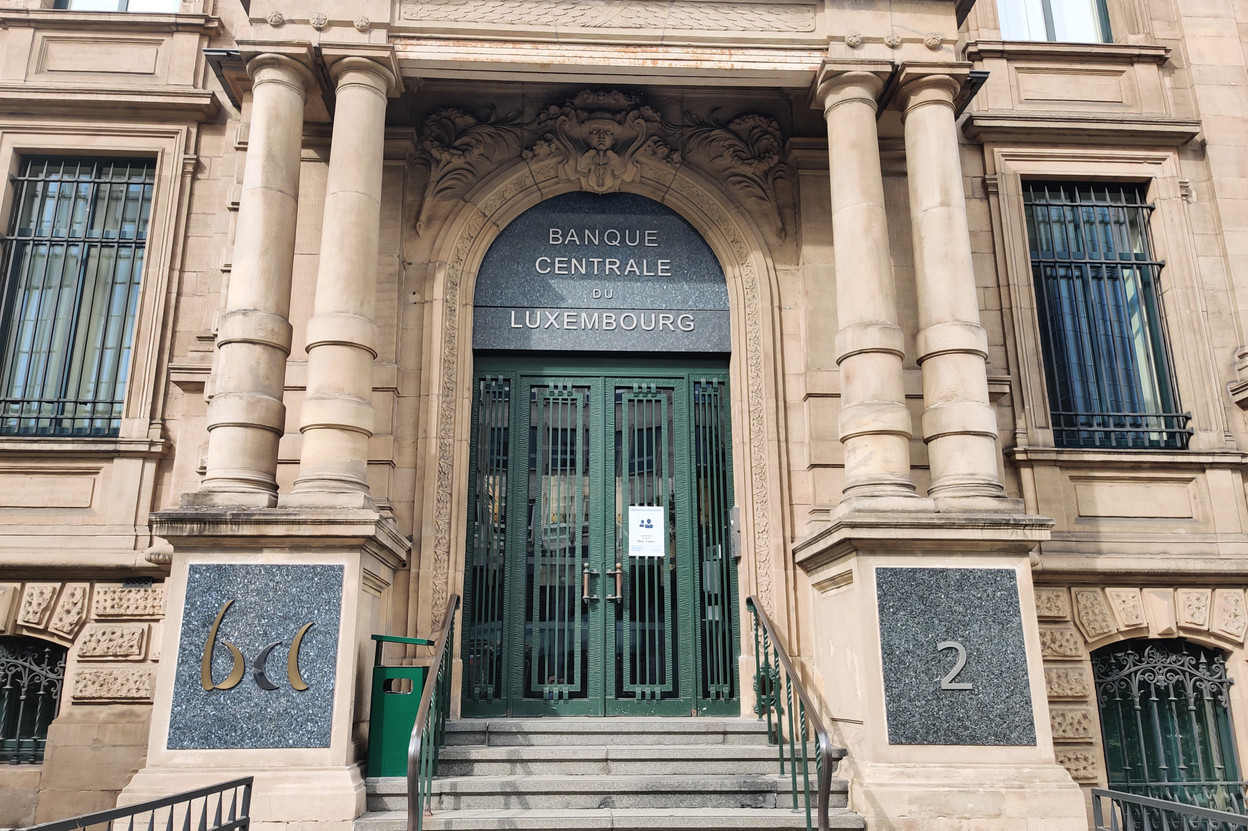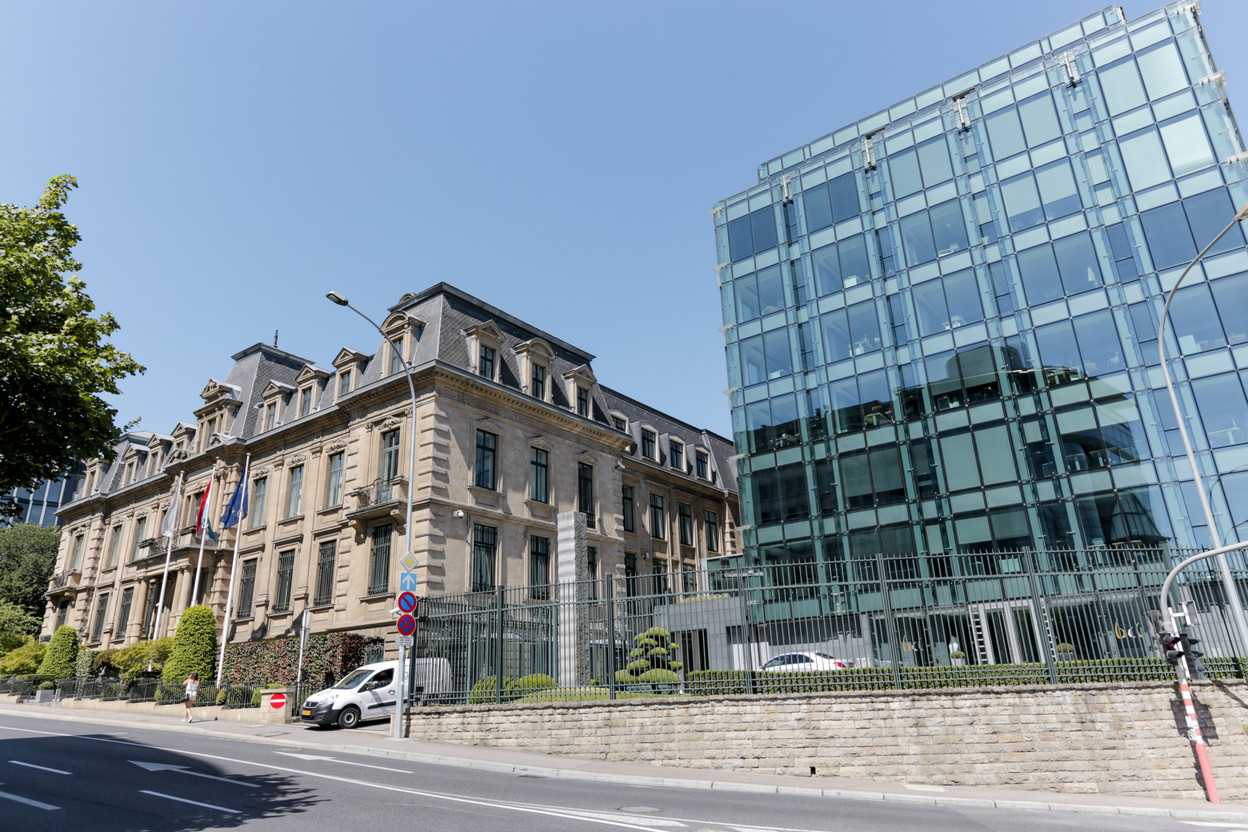
It didn’t take long for the Luxembourg banking sector to break its own record. Having crossed the symbolic threshold of €1trn in assets in March, the banks in Luxembourg increased their aggregate balance sheet to €1,036.875bn by the end of April, according to provisional figures published by the Central Bank of Luxembourg (BCL). This represents a 0.96% increase over one month, confirming the momentum observed since the start of the year.
Last month, BCL had already reported a significant increase, with its balance sheet reaching €1,027bn, driven by a rise in interbank lending and deposits from non-bank institutions. April has seen this trend continue. On the assets side, the growth stems mainly from an increase in claims on other banks and deposit-taking institutions. On the liabilities side, interbank relations are also driving the rise, evidence that Luxembourg is maintaining its role as a European hub for cross-border financial flows.
Growth also remains robust on an annual basis. Total assets on the balance sheet are up 5.34% compared with April 2025. This rate exceeds that seen in March and reflects an environment that remains favourable to the financing, treasury and asset management activities that underpin the Luxembourg model.
+5.34% year-on-year
The picture is, however, more mixed when it comes to lending. Whilst outstanding loans to non-bank customers had risen by more than €1bn between February and March, they fell slightly in April, by €231m. This movement does not, however, call into question the underlying trend. Over 12 months, these loans have risen by 5.66%, driven in particular by other financial intermediaries, whose outstanding amounts have surged by 10.84%. Mortgage loans to households also continued to rise, with annual growth of 2.87%, whilst loans to non-financial corporations increased only modestly, by 1.43%.
The same trend is evident in deposits. Following a surge of more than €14bn in March, deposits from the resident non-banking sector continued to rise in April, increasing by a further €3.1bn. Over the year, they have risen by €20.5bn, or 6.58%. As in the previous month, investment funds remain the main driver. Other financial intermediaries now account for 67.2% of these deposits and show an annual increase of €12.3bn.