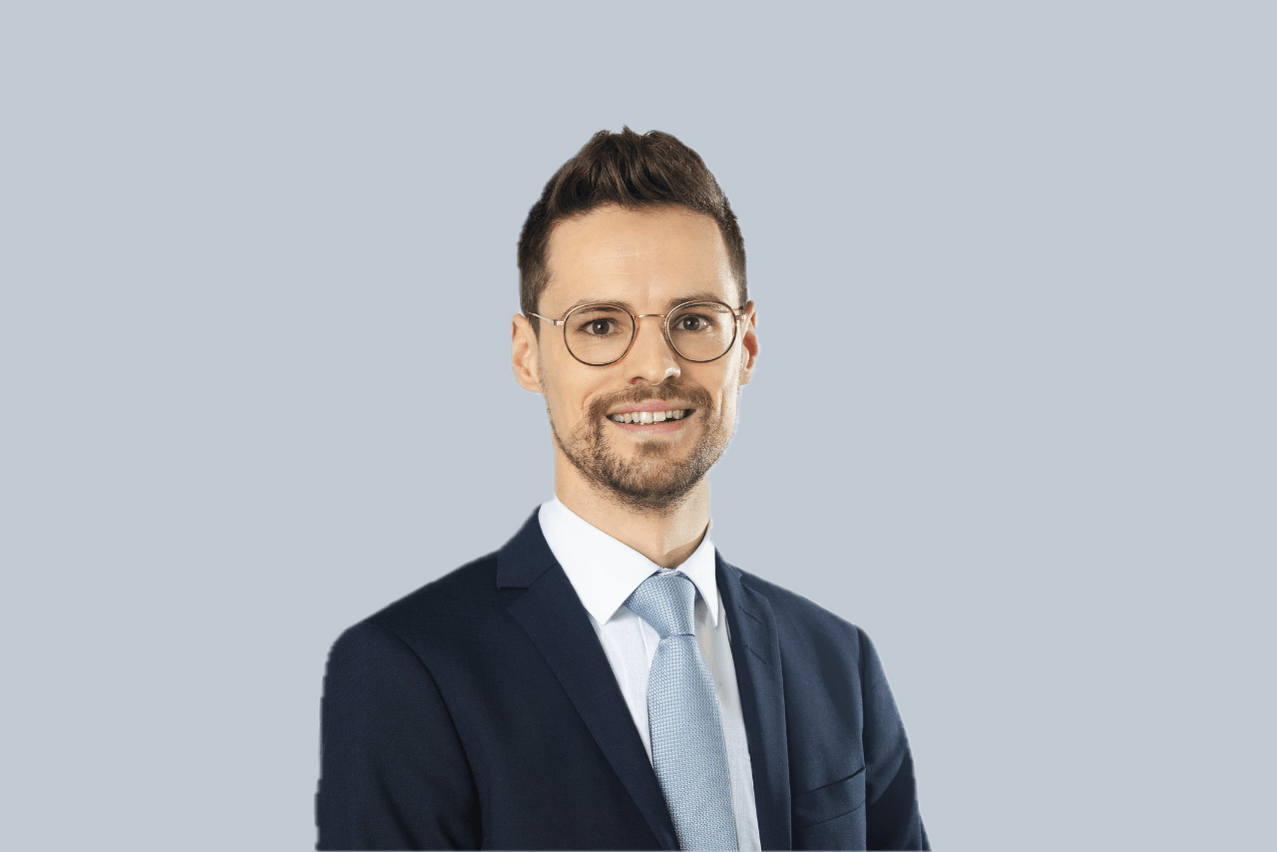
Founded in 2014, the LSE Alumni Association Luxembourg has grown into a dynamic community of more than 500 alumni and friends. The association brings together members through a wide range of events, from panel discussions and dinner speeches with CEOs, ministers and ambassadors to more informal cultural and social gatherings. Luc Weber joined the society’s board in 2023 and currently serves as General Secretary.
Why do you think talent and alumni networks have become so strategic for Luxembourg’s future?
Luc Weber – "In a small and highly international country like Luxembourg, competitiveness depends on attracting and retaining global talent. Alumni networks are part of the solution because they connect people across sectors, open doors to decision-makers, and create trusted relationships that extend well beyond the country’s borders.
At the LSE Alumni Association Luxembourg, we see these dynamics in practice. Members benefit from mentoring, career opportunities and knowledge-sharing, while businesses gain access to skilled professionals in a trusted environment. Because alumni share the common background of LSE studies, these connections are built on trust, which in a compact ecosystem like Luxembourg quickly turns into real opportunities for collaboration.
Networks also play a vital role in integration. They not only support careers but help professionals feel at home, which is often decisive in whether international talent stays. Within our society, this means giving international members both a sense of belonging and valuable entry points into Luxembourg’s ecosystem, from peers to local business leaders.
Beyond the local level, these ties extend Luxembourg’s reach to the wider international community. By keeping graduates connected worldwide, they reinforce the country’s image as outward-looking, diverse and well-connected. This is a dynamic we also observe within the LSE community."
Concretely, how do your alumni communities help attract or retain qualified professionals here in Luxembourg?
"Since its launch, the LSE Alumni Association Luxembourg has hosted a wide range of events, from meetings with distinguished figures such as the Luxembourg Cardinal to more informal gatherings. Today, it has grown into a vibrant community of more than 500 alumni and friends of the LSE that is young, gender-balanced and highly international. At our events, it is not unusual to have nearly as many nationalities as people in the room. We now host monthly gatherings open to a broad audience, and we actively welcome non-alumni friends of the LSE to join.
This growth did not happen by accident. In the early days, the board and volunteers built momentum by reaching out to people one by one. Over time, we broadened the programme, making events more frequent, accessible and varied. We added informal drinks in city venues and cultural activities, while continuing traditional dinners and speaker events. We also collaborate with other alumni networks and like-minded societies, which expands our reach and creates new opportunities for exchange. At the same time, we hold ourselves to high standards: every event, whether casual or formal, must offer real value. Thought leadership is central, and over the years we have welcomed LSE faculty as well as CEOs, ministers and ambassadors to speak.
Beyond networking, we also promote lifelong learning. Members of the LSE faculty, among the best in Europe, have delivered insightful talks on topics such as the art collectibles market. In this way, the society helps members continuously learn, evolve and remain competitive in their fields. These events reflect our ambition to provide not only opportunities to meet, but also fresh knowledge and perspectives for our community.
For members, the impact is tangible. Our activities help people integrate socially and professionally, making Luxembourg feel more like home. They connect newcomers with local business leaders and strengthen their impact on Luxembourg’s ecosystem from the very start. Members can meet mentors, build new contacts across sectors, explore career paths and, in some cases, secure jobs. Two members, for example, recently found employment through connections made at one of our panels. The international character of the community further ensures a broad and global perspective.
For companies, alumni networks also offer real value. They provide access to a pool of highly skilled, international professionals and a forum to engage with them in a trusted environment. Speaking at or partnering with our events allows employers to present themselves authentically while also connecting with decision-makers. Just as importantly, networks like ours help firms not only attract but also retain international staff by offering employees a community in which they feel socially and professionally integrated. This can be decisive in their decision to build long-term careers in Luxembourg."
Millennials and Gen Z are entering the job market with new expectations: what do you see as the biggest differences compared to previous generations?
"Younger generations approach careers and communities with different expectations, seeking flexibility, authentic connections and meaningful engagement.
As a society, we have adapted to these expectations in practical ways. Our events are more frequent, easy to join and easy to step back from if plans change. We make it possible for members to contribute to a single project or event without the need for long-term commitments, which lowers the barrier to participation and keeps the community accessible.
We also ensure that the content goes beyond small talk. Alongside informal drinks and social gatherings, we organise panels and discussions on topics that matter to our members. These range from careers in European institutions to the art collectibles market. This mix keeps the network engaging while providing real value.
Above all, we work to foster genuine human connections. Many international professionals come to Luxembourg for work but decide to stay because they find a community that feels authentic and aligned with their values. By being flexible, inclusive and focused on substance, our association has been able to integrate younger generations naturally into the network. Rather than weakening alumni ties, this evolution has made the community more dynamic, diverse and future-ready."