The Kiem 2050 project, which aims to create a new sustainable district in Kirchberg, was officially launched on 1 July with the symbolic laying of the first plank by the minister for mobility and public works 


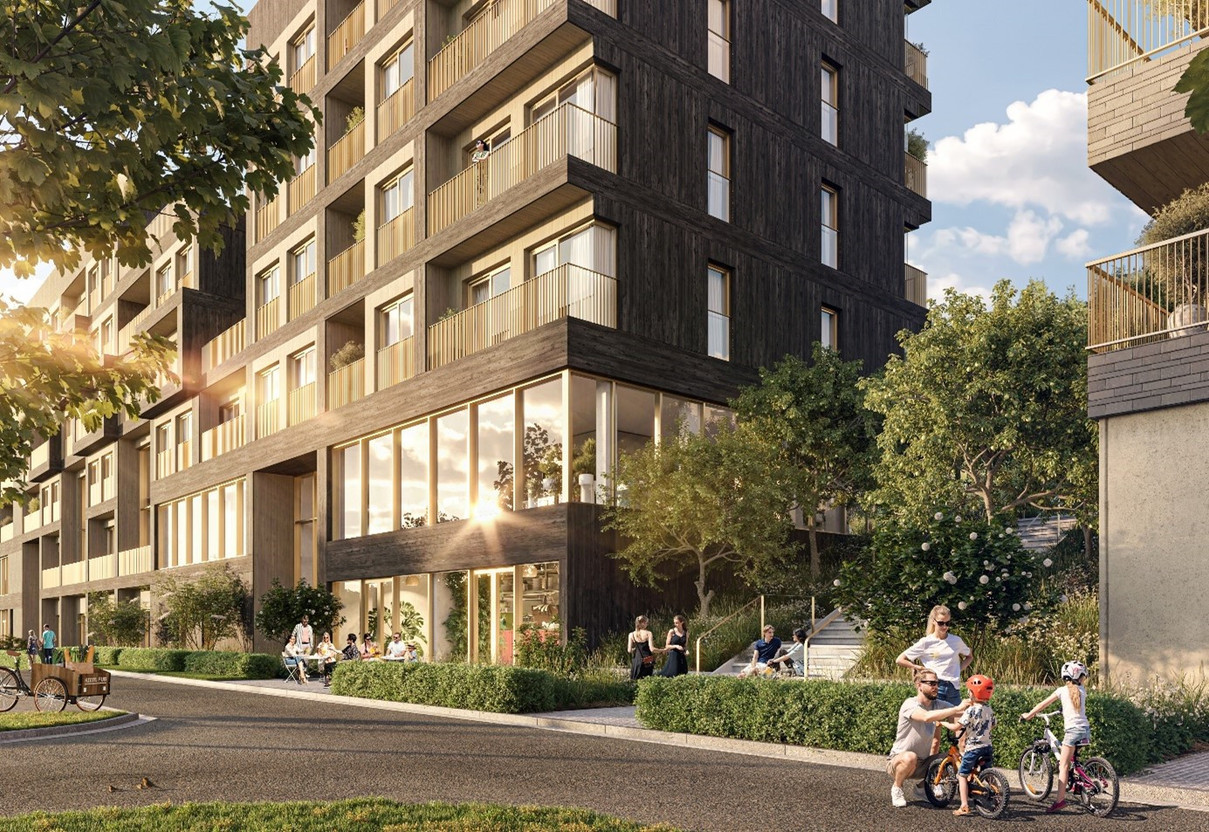
Designed as an example of sustainable urban development that can accommodate around 500 residents, Kiem 2050 will include 135 homes ranging from studios to five-room apartments, as well as co-living and live-work units. The development aims to achieve a broad social mix, and is aimed at both young professionals and families. With prices up to 30% below the market, these affordable homes will offer a modern, ecological and accessible living environment in the heart of Kirchberg.
Thought up by the Fonds Kirchberg, in partnership with Immobel Luxembourg and Prefalux, this large-scale project includes around 3,000 m2 of mixed-use space (shops, offices, catering), to be delivered by early 2028. It is part of a resolutely sustainable approach, with wood-steel buildings that can be dismantled and reused, solar panels, green roofs, soft mobility and shared spaces.
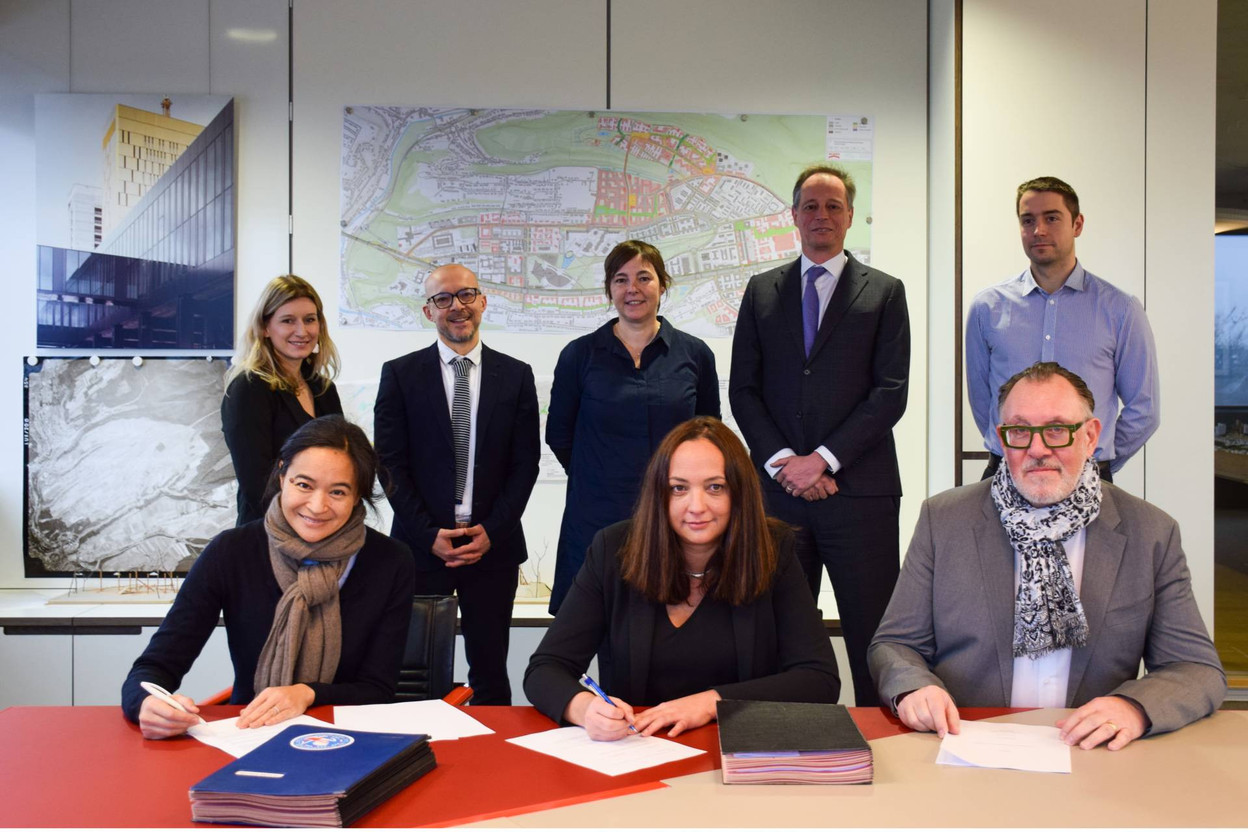
At a time of great uncertainty on the VEFA market (sales of property in the future state of completion, or vente en l’état futur d’achèvement), a memorandum of understanding had been signed between the Fonds Kirchberg, Immobel and Prefalux to secure the launch of the construction work. The fund undertook to acquire 124 flats that were still unsold, enabling the pre-sales threshold required to start construction before the end of March 2025 to be reached.
“The partnership with Immobel and Prefalux reflects our desire to improve access to home ownership, whilst offering a sustainable, high-quality living environment,” Widong emphasised.
“By creating accessible and sustainable housing in the heart of Kirchberg, we are strengthening Luxembourg's social cohesion and competitiveness,” said Meisch. “It is through this close and responsible cooperation that we will be able to produce, on a large scale, the housing that our country urgently needs.”
For her part, Backes stated that “the project demonstrates the possibility of combining urban growth and ecological transition. By planning urban development in favour of pedestrians, cyclists and public transport, we are promoting the well-being of residents, while actively contributing to reducing our carbon footprint.”
“This project embodies the pillars of our strategy: carbon reduction, circularity, biodiversity and collective well-being,” concluded 
The Kirchberg district’s population has grown by more than 15% in two years and is characterised by young, international and highly qualified residents.
This article was originally published in French.