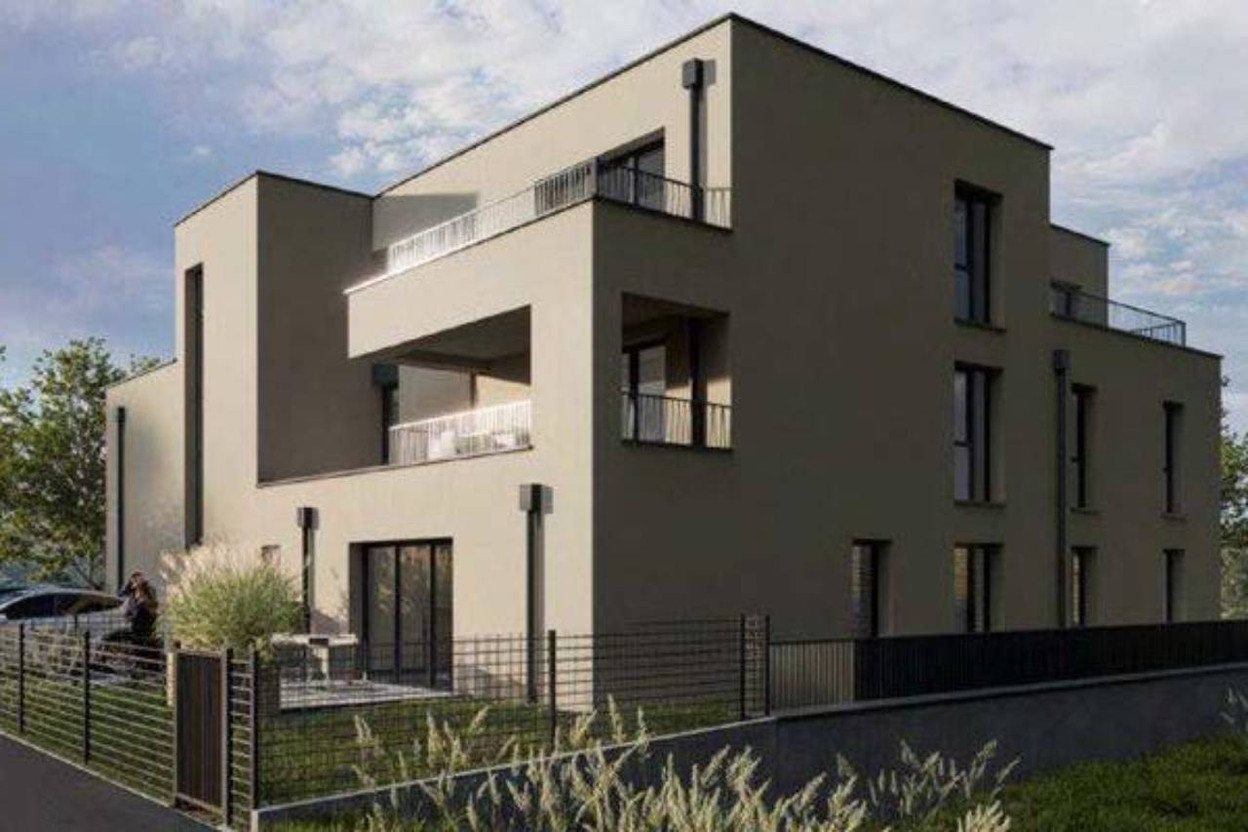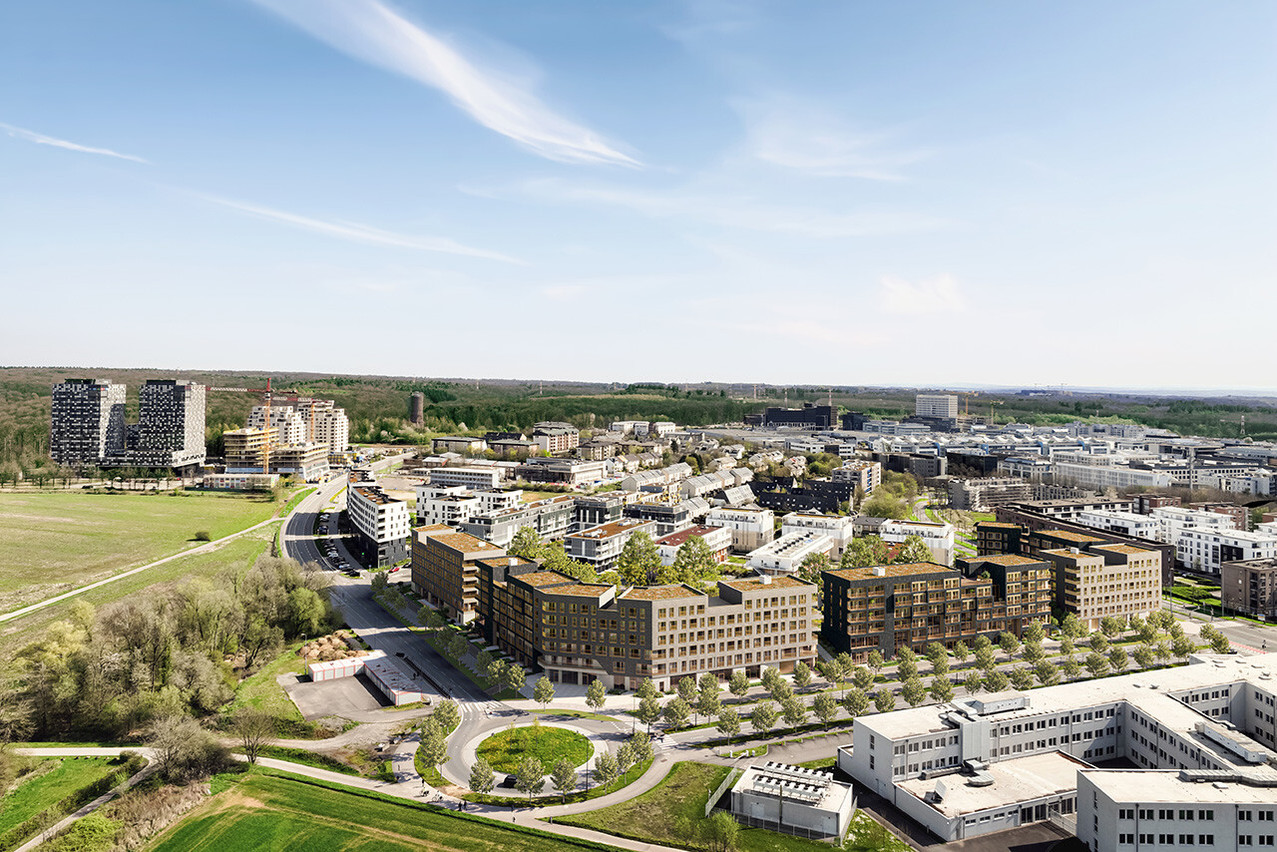
Kiem 2050. Behind this name lies a comprehensive ecosystem: developers Immobel and Prefalux Home, as well as architects, engineers and landscape architects. This diversity of stakeholders is designed to drive quality. “We have worked with Witry & Witry and Search, the landscape architect Areal, the engineering firms SGI and Betic, as well as the company CBL,” explains Alexis Fischer, technical director at Immobel.
“The idea was to bring engineers, architects and builders together around the same table to develop an innovative, comprehensive project based on the circular economy. That is the driving force and the ultimate aim of Kiem 2050,” explains the head of communications at Fonds Kirchberg, 
The project’s name is inspired by the target year for Luxembourg to become carbon neutral.

The project’s name is a statement of intent. “2050 takes its inspiration from the target year for Luxembourg to become carbon neutral,” explains Céline Coubray. Whilst the goal is ambitious, the direction is clear: to reduce our environmental footprint whilst improving the quality of life. “There is a commitment from the government, but also from us. ESG values are at the heart of all our strategies,” she insists 
A 15-minute city for all purposes
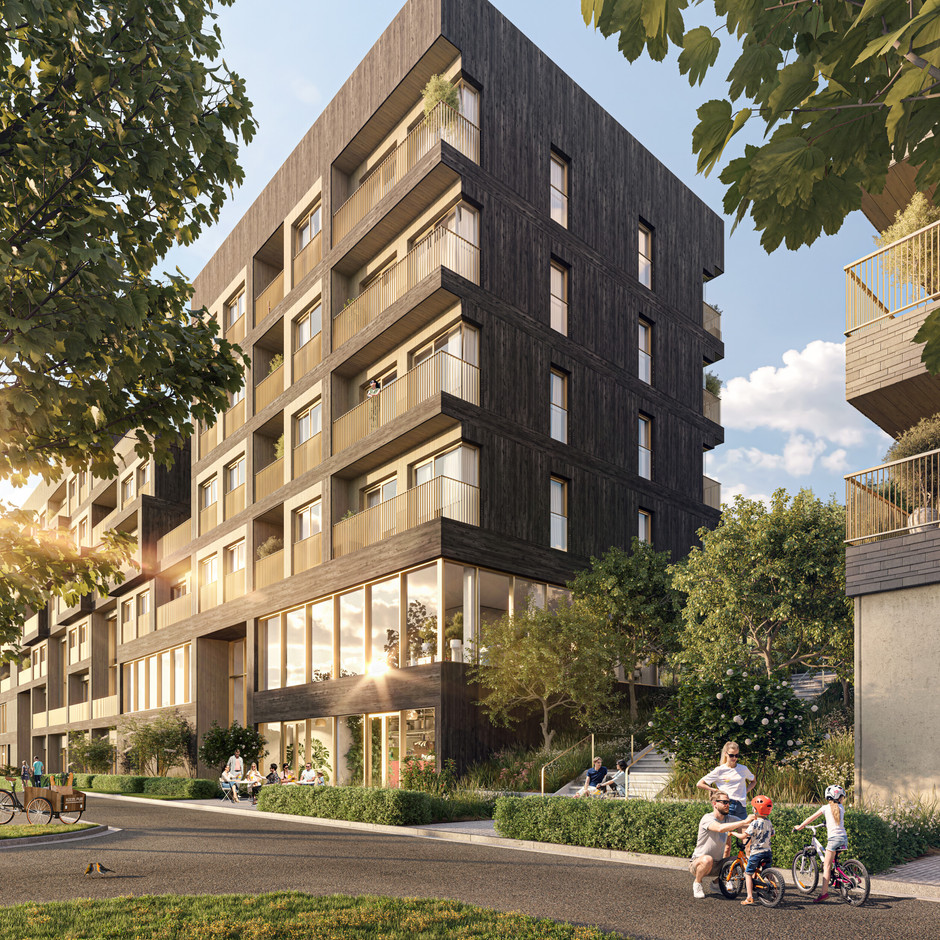
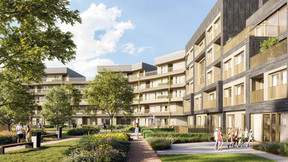
Kiem 2050 goes beyond mere property development. The project reimagines city living. “The starting point was to ask ourselves how we will live in Kirchberg in 2050,” explains Julie Sacré. The result: a mixed-use neighbourhood where housing, offices, shops and services coexist harmoniously. “We’re creating a sense of flow and vibrancy at all hours, with everything close at hand.”
The residential options follow this approach: traditional, duplex, co-living and ‘working and living’, offering solutions tailored to a wide range of lifestyles. This positioning makes the project unique and attractive in the market.
The (still fragile) challenge of living together
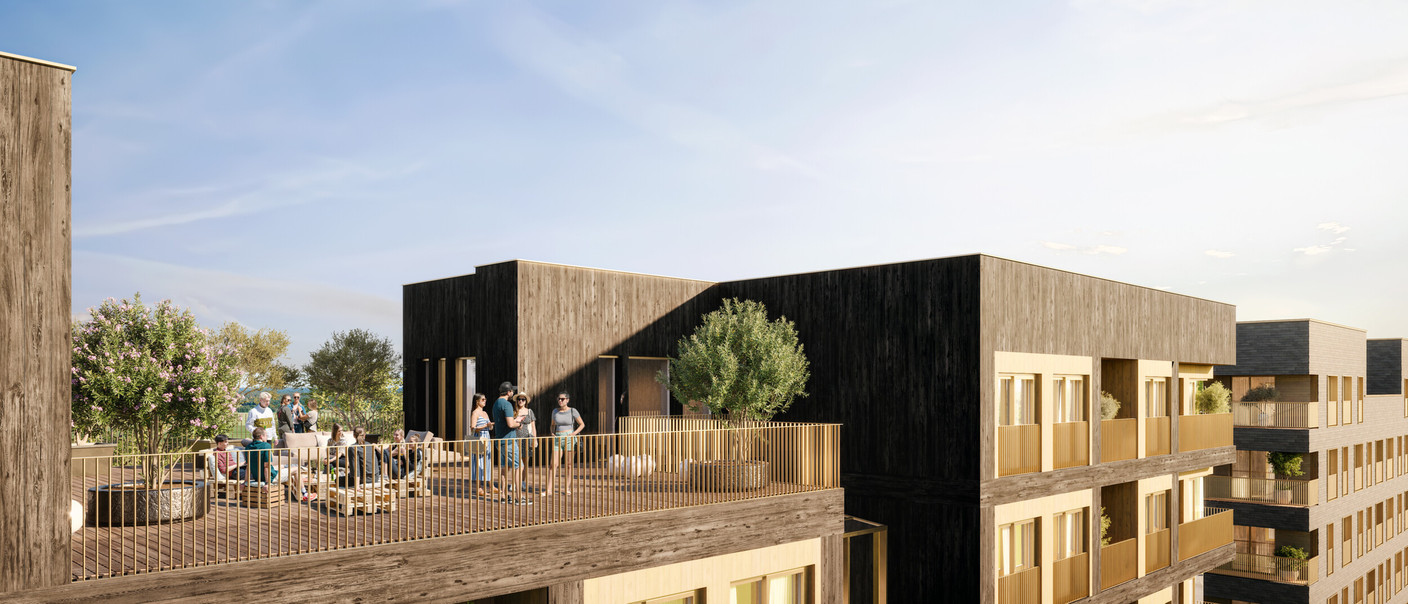
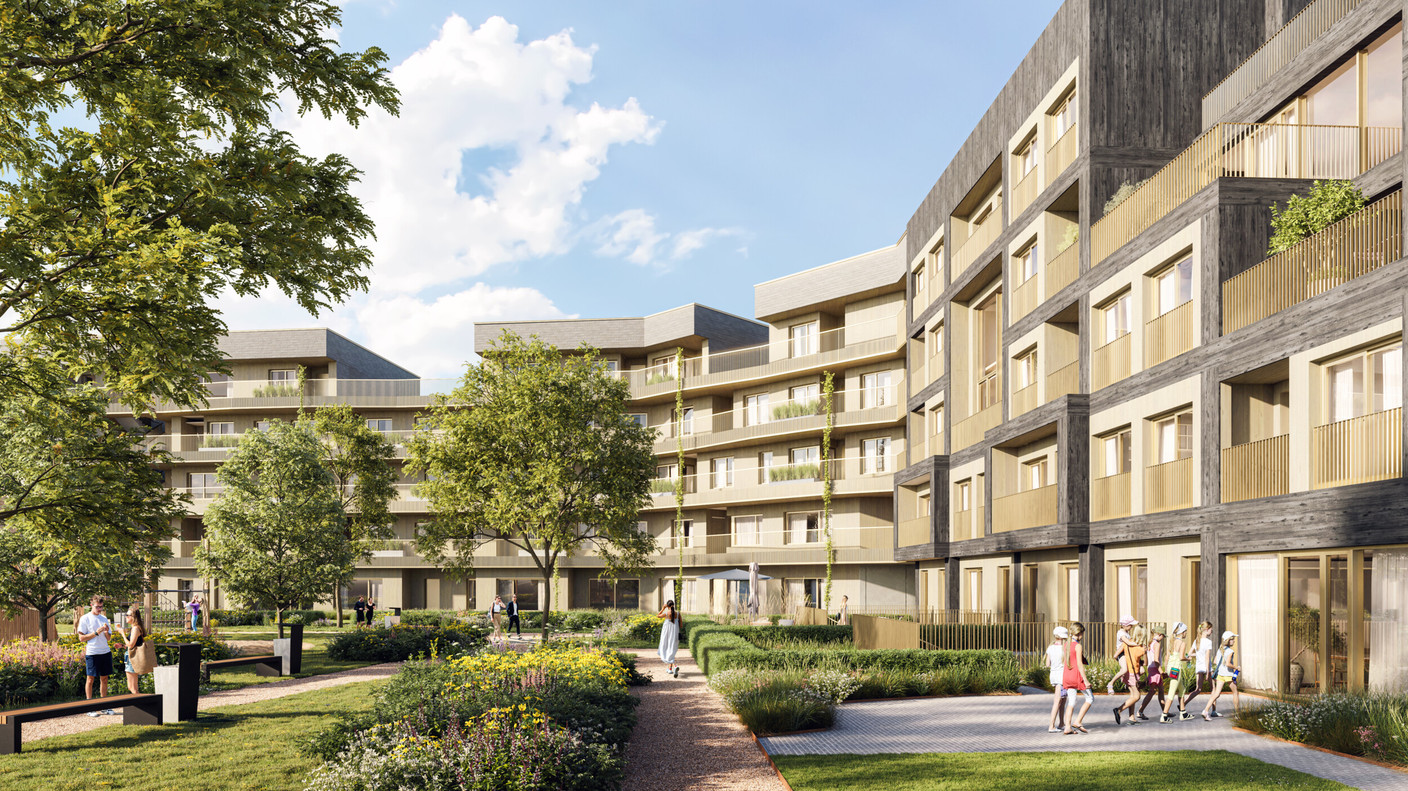
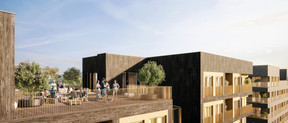
Another key focus: community spaces as a direct response to new lifestyles. “The first connections made, especially for newcomers, are with the neighbourhood,” points out Céline Coubray. Laundry rooms, workshops, communal spaces: these places also allow us to rethink private space and, from time to time, “push back the walls of one’s home”, adds the communications manager at the Kirchberg Fund.
However, this innovative and clever new model remains economically sensitive. “It’s a system that’s relatively easy to set up and get running smoothly. However, we still need to succeed in promoting it on the market,” admits Alexis Fischer.
Materials and sustainability: building differently
Whilst we wait for attitudes and lifestyles to fully embrace the model, Kiem 2050 also serves as a testing ground for technical innovation, particularly in terms of construction and the use of timber. “This is a first for us, allowing us to explore alternatives to concrete,” adds Céline Coubray.
Beyond the technical aspects, we want to let the materials age at their own pace.

“Beyond the technical aspects, a philosophy is taking shape: that of allowing the materials used to age at their own pace, without unnecessary interventions,” argues Alexis Fischer. The project also incorporates practical solutions, such as rainwater harvesting, a central park open to the public, and a landscape design intended to stand the test of time.
Kiem 2050? A strong commitment that demonstrates a belief in the viability of a project model.

In a tight property market, the Kirchberg Fund has taken a bold decision to buy back unsold units to ensure the project’s launch. The aim is then to put the properties back on the market under strict conditions: long-term leases, owner-occupation, and restrictions on speculation. The objective is to meet a genuine need for housing in a sustainable and accessible way. “This is a strong commitment that demonstrates a belief in the project’s viability,” explains Julie Sacré.
Kiem 2050, a laboratory for the property sector of the future
Beyond the project itself, Kiem 2050 could set a precedent. “The Fonds Kirchberg is convinced of the value of shared spaces and is already applying these principles elsewhere,” says Céline Coubray. The project also focuses on the user experience, with immersive digital tools. “For example, we provide a 3D model that allows users to explore, choose a flat and view its features and price.”
Kiem 2050 is not just a housing development. It is a large-scale trial of the concept and implementation of a low-carbon city, as well as of new ways of living and the market’s ability to adapt.
And perhaps, even now, a very concrete glimpse of what the city of Luxembourg will look like in 25 years’ time.