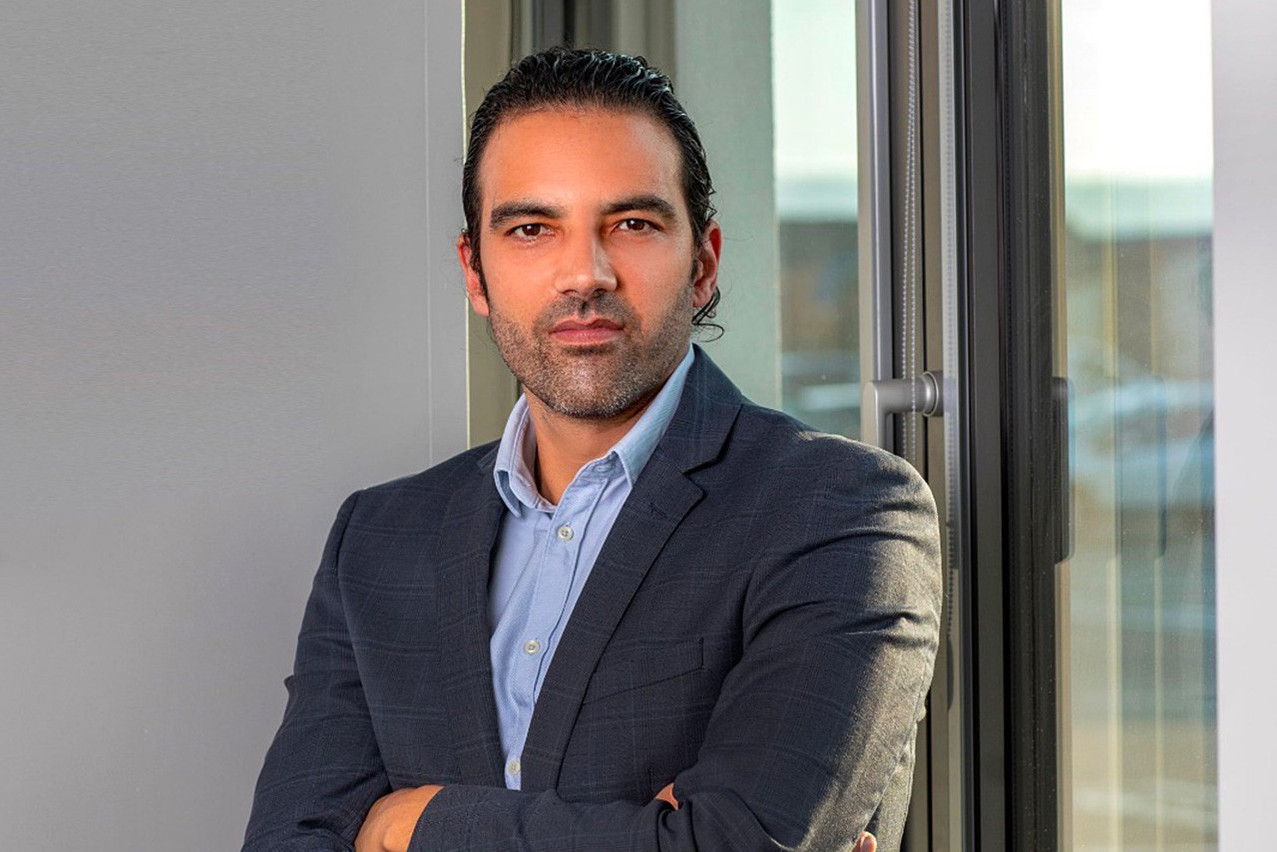
Thierry Labro: Why has there been a change at the head of Maps?

What stage has Maps reached in its development?
We have 40 people and a turnover of €4m, mainly in France, although we also have a presence in Germany and the Benelux countries. The CEO is based in Paris half the time and in Luxembourg the other half. The same goes for the sales director. 30% of the shares are held by management and 70% by me.
Does that mean you can concentrate on Jemmic?
Our strategy is very much focused on Switzerland. I spent seven weeks out of ten there to get closer to our customers, the cantonal banks, and fine-tune our offering by listening to their needs. SecuChat is a conversational platform with many very different use cases, and each bank wants to use it in a different way. It’s a product that you can use without changing the product. Today, Jemmic has annual sales of nearly €5m and 40 employees. We have an amazing management team, to the point where I’m no longer in operations but in business development. This summer, I’m going to take a five-week holiday, something I haven’t done for such a long time.
Does the emergence of AI and especially chatbots change anything in your approach?
It’s a huge confirmation: when we created SecuChat, we said to ourselves that we needed something similar to WhatsApp, but with banking security. We took the experience of WhatsApp with the security of mobile banking. We told ourselves that we were never going to build a chatbot. We have never invested a single euro in AI, but we do have plugs for AI. With the arrival of ChatGPT, we had the first confirmation that the chat interface is the interface of the future. Today, we work with five or six banks. All we do is triage. We can say that this question can be answered by a chatbot and that another needs a human response. Depending on the segmentation of the customer’s business, they may need different tools. We also want to avoid everything ending up in a dialogue of the deaf, you know, those chatbots that don’t understand customers and vice versa. Tomorrow, the bank may have four chatbots for each type of customer, and the underlying infrastructure will be ours.
Originally published in French by Paperjam and translated for Delano