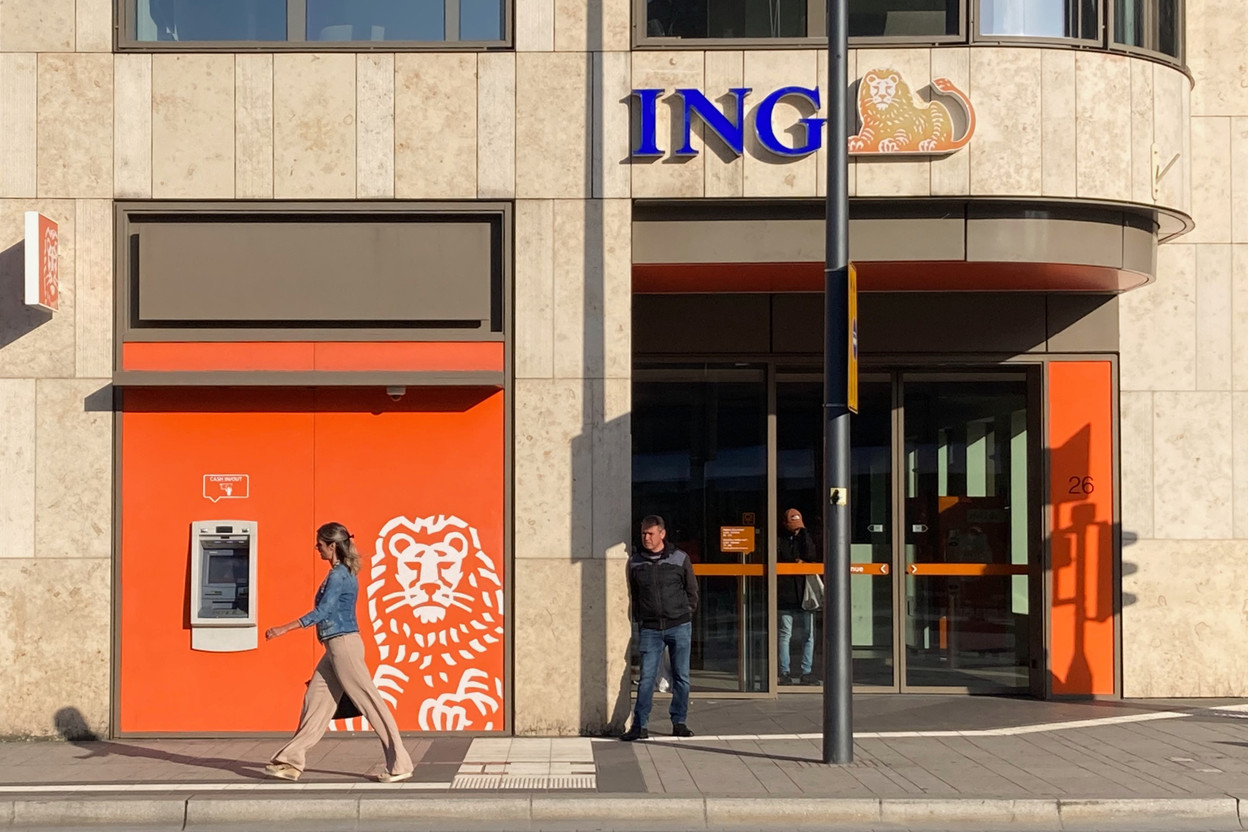
ING Luxembourg, which announced its exit from retail banking in May 2024, has now extended its restructuring plan, referring SME and entrepreneur clients to Post Luxembourg while serving only private and wholesale activities in the Grand Duchy. At the start of 2024 the bank had about 86,000 private individual clients; of these, 21,000 remaining retail clients are covered by a December 2024 referral agreement to BGL BNP Paribas, while a further 4,500 business clients will be directed to Post Luxembourg under the deal announced on 23 September. The bank confirmed it will continue to honour all existing mortgages and loans until maturity, but did not disclose details of the remaining retail client accounts.
The latest agreement formalises the handover of business banking, which ING had flagged a week ago as part of its strategy to sharpen its focus on high-net-worth individuals, corporates, institutions and investment funds.
Referral agreement
Under the deal, Post Luxembourg will offer ING’s 4,500 business banking clients a preferential package tailored to SMEs, the self-employed and entrepreneurs. Clients will be contacted progressively until the end of 2026 and guided through the process with support hotlines, FAQs and a dedicated ING team.


The reduction in ING’s client base, both retail and business, together with branch closures, has also triggered job losses. ING, which employed 947 permanent staff at the end of 2024, expects up to 124 roles to go--nearly a tenth of its Luxembourg workforce.
With retail and business clients handed over, ING’s Luxembourg presence and long-term sustainability now hinge solely on wealthy and institutional clients.