How do you get your hands on €35trn of European savings--an astronomical amount broken down into as many products as there are national regulations and more or less assertive ambitions? How can we do this at a rate of €800bn to €1trn a year, taking into account political, historical, economic and investor sensitivities? It’s a complicated puzzle given the different levels of indebtedness of each member state and the more or less assertive rigour of their public policies.
Last October, in Luxembourg, Spain’s economy minister Carlos Cuerpo, launched the idea of a “competitiveness laboratory.” The first project was to create credit rating standards for small and medium-sized enterprises, which--thanks to a harmonised system--would facilitate access to finance for these companies.
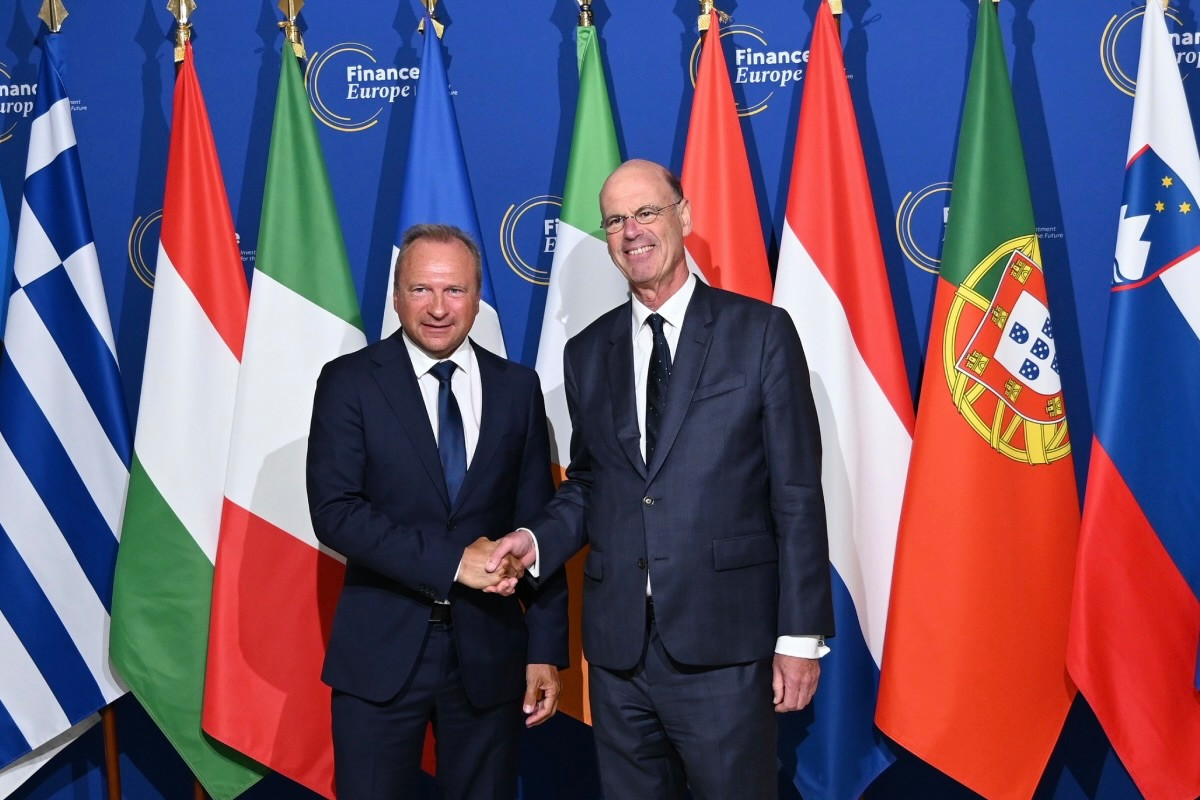
Last week, in Paris, for the second meeting of the laboratory, seven ministers (representing France, Spain, Luxembourg, the Netherlands, Estonia, Germany and Portugal) signed a “Finance Europe” labelling charter, which is centred around four axes: key parameters; governance; distribution; and tax treatment, which will be left under the responsibility of the member states to avoid having to encumber themselves with a European legislative process.
The details
1. In detail, eligible assets may include shares (listed and unlisted) of European long-term investment funds (Eltifs), Ucits, alternative investment funds and, in particular for diversification purposes, bonds.
2. The main criterion is to respect a minimum threshold of investment in European assets (EU plus Iceland, Liechtenstein and Norway) of at least 70% in order to promote the financing of the EU’s strategic priorities. These include strategic autonomy, economic security, the ecological and digital transition, and defence. This 70% threshold should not be checked too frequently in order to avoid unnecessary rebalancing due to market volatility, but it should happen at least every six months.
3. Participating member states could opt for a minimum capital target and/or a minimum share of assets dedicated to European infrastructure and/or European SMEs.
Individual investors would have to leave their money in the product of the financial institution of their choice for at least five years to benefit from the tax advantage, except for labels applied to accounts. These labels will not come with a state guarantee, but the provider may add better conditions from a certain date. In other words, the individual investor can also lose money if things go wrong. These investments do not cover the whole field of investments available to wealthier clients.
When it comes to implementation, it is up to industry professionals to check that the product they wish to label complies with the requirements set out above in the event of a posteriori control by the financial regulator, such as anti-money laundering controls and combating the financing of terrorism. It’s up to each national authority to ensure that the products of its financial institutions comply with the European label.
In order to make the system as fluid as possible, there will be no additional constraints on the distribution of financial products. We’ll have to wait to find out what Luxembourg intends to grant in the way of tax advantages to those who decide to invest in financial products bearing the “Finance Europe” made in Luxembourg stamp.
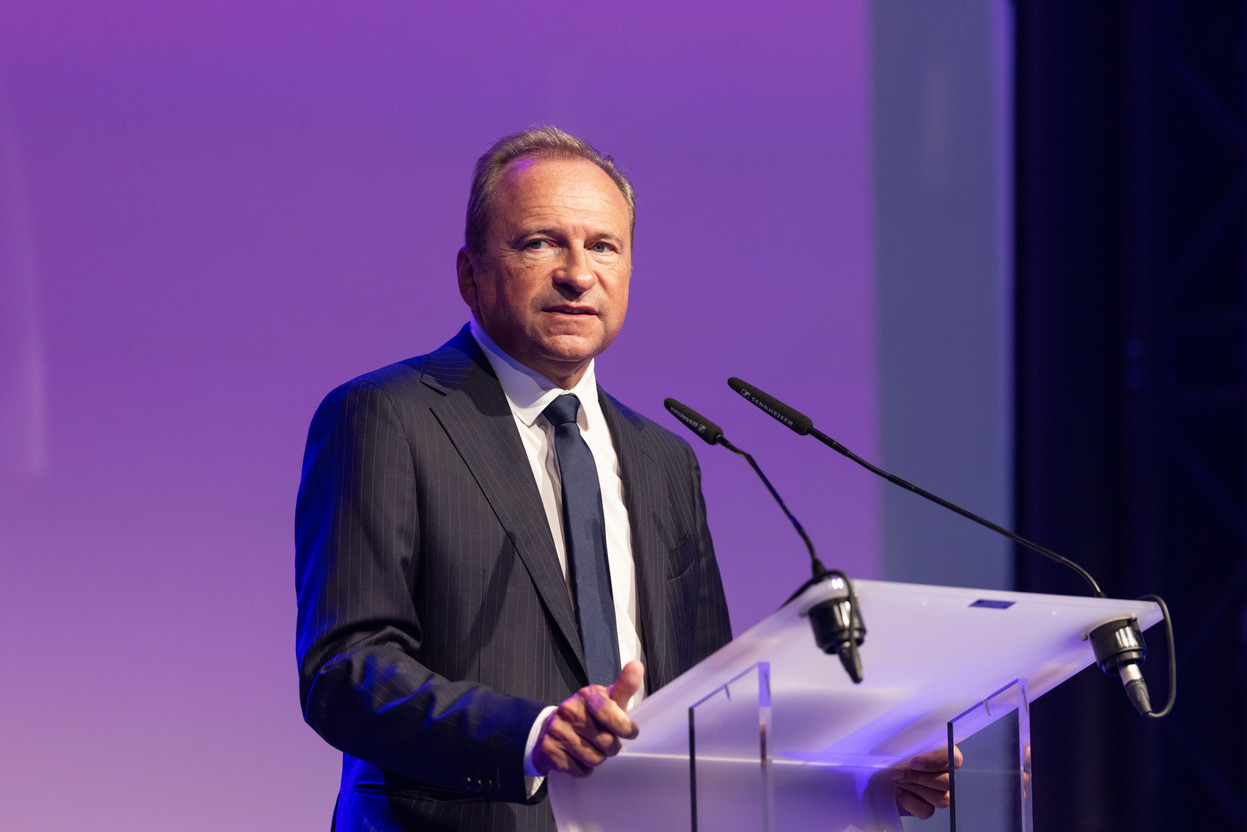
“Some will see this as a small step, but the launch of the label today sends a strong signal for Europe. We need to build on this positive momentum and renewed interest in investing in European assets to lay the foundations for a more competitive Europe,” commented finance minister 
If the ambition of this label is to direct the €24trn of so-called “unproductive” European savings towards investment--on a similar basis to what Italy has been implementing since 2017 with a fairly limited impact (€20bn)--the most sceptical are already recalling the resounding failure of the pan-European pension savings product (PEPP) launched in 2022 and which was never been able to overcome the disparities in pricing and taxation in each state.
This article was originally published in French.