Several Luxembourg City restaurants popular with teenagers are using student deals, free tap water and everyday flexibility to keep eating out within reach of limited budgets. For pupils around Campus Geesseknäppchen, the appeal is not necessarily finding the cheapest possible meal: pizza or ramen with friends offers a chance to leave the school environment, choose where to go and briefly feel more grown-up.
The budget, however, remains decidedly teenage. Pupils compare prices closely, sometimes arrive with drinks bought more cheaply at Cactus and gravitate towards restaurants that have deliberately created offers they can afford.
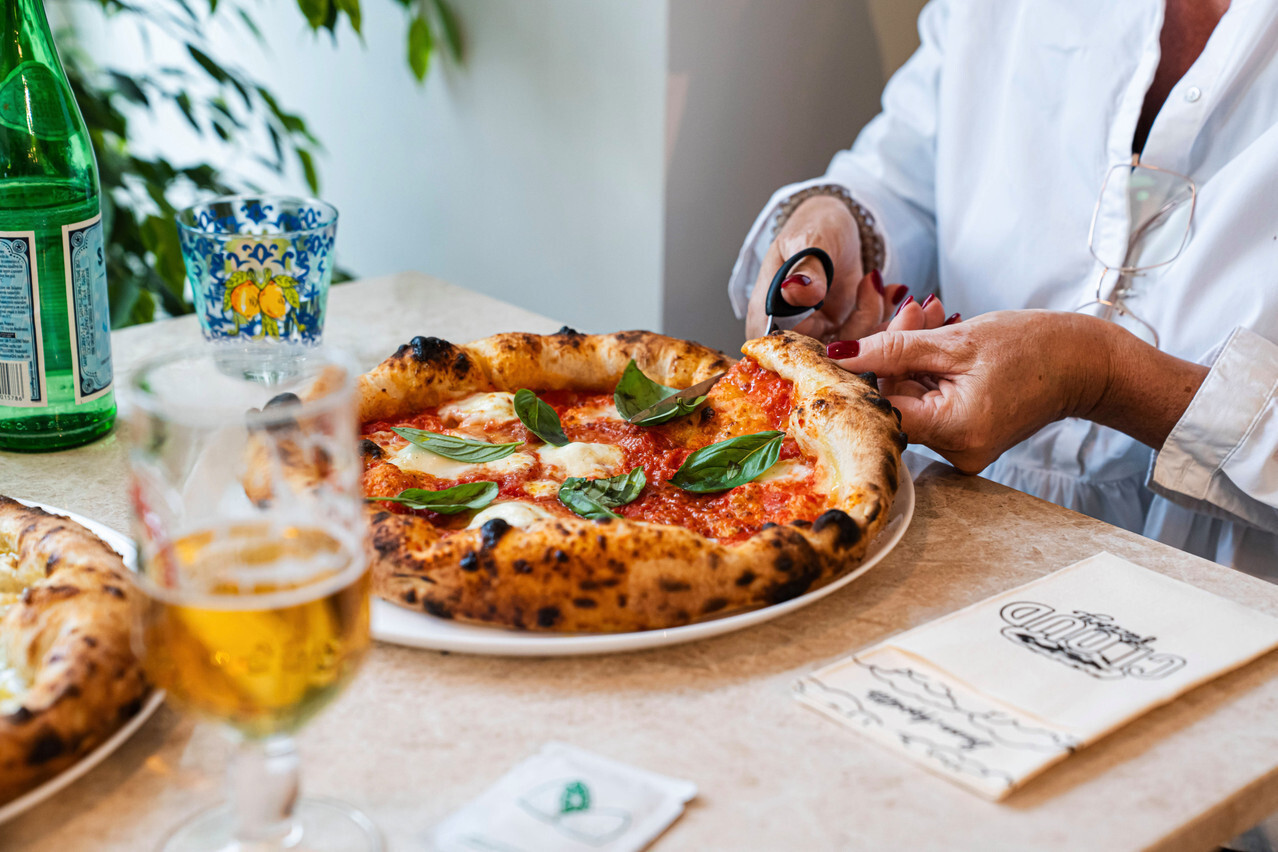
Cloud Factory in Merl has made that calculation formal. The pizzeria offers a €10 student lunch deal for takeaway, comprising a Portafoglio pizza and a drink. Co-founder Francesco Micillo said the formula was designed to provide students with “a complete, quick and accessible” lunch, although Cloud Factory does not have a policy allowing pupils to bring drinks bought elsewhere.
Sandwiches for €6.50
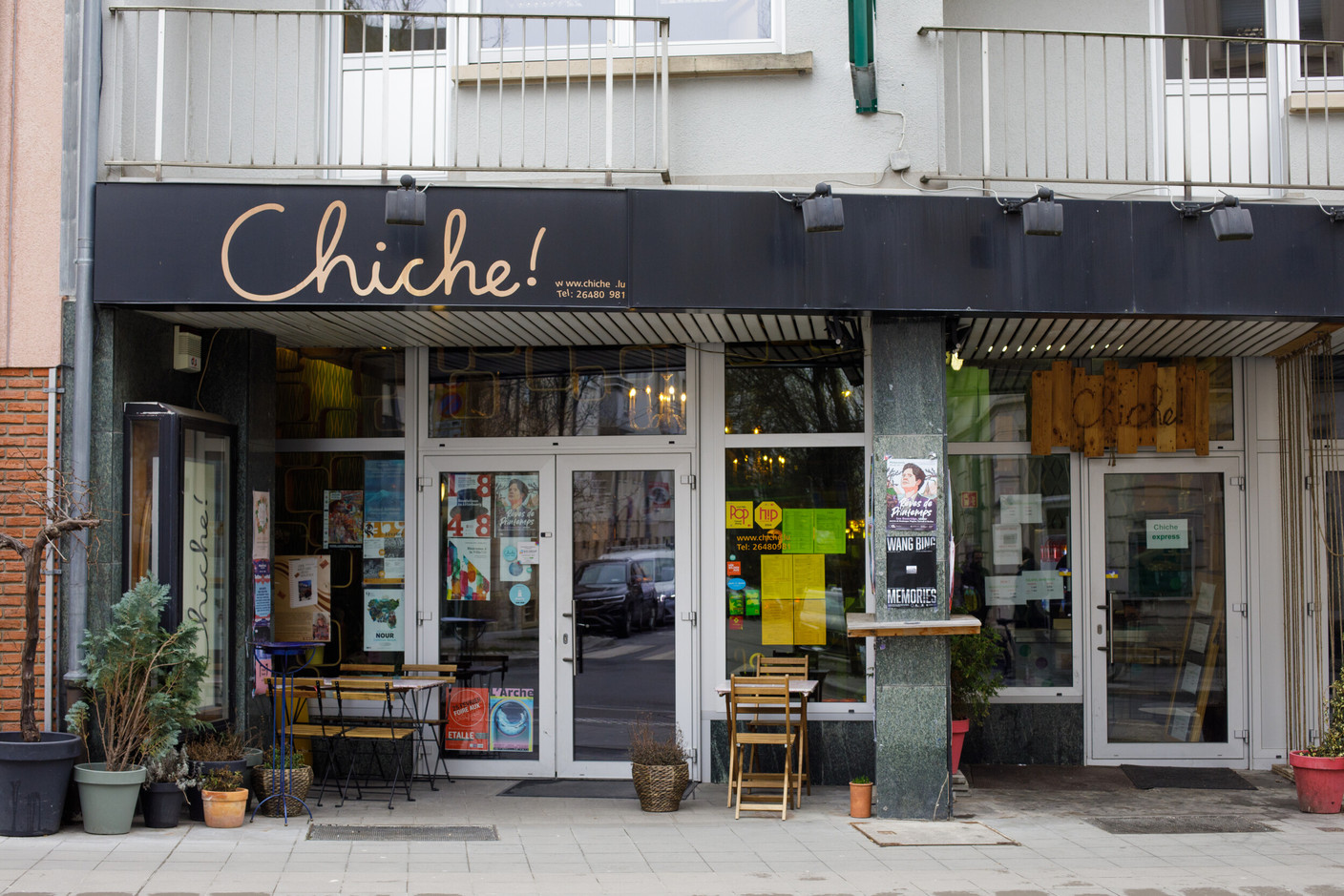
At Chiche! in Limpertsberg, keeping food within reach of younger customers is explicitly connected to the restaurant group’s wider social philosophy. Its student shop sells sandwiches for €6.50, compared with a usual price of €12.
Co-founder Marianne Donven said the offer dates from around 2021 or 2022, when Chiche! converted a small shop beside the restaurant after the pandemic. The location had already been used to serve pupils before Chiche! arrived, and Donven said the current student offer can draw queues outside and brings in a few hundred euros a day.
“They are also the customers of tomorrow,” she said, but the reasoning goes beyond cultivating future customers. Chiche!, whose social model is built around employing and integrating refugees and migrants, also wants the restaurant itself to remain accessible to people with fewer means.
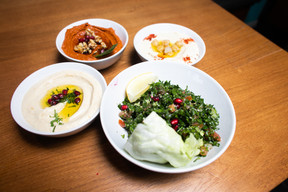
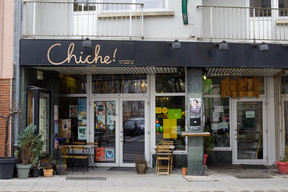
“I would like refugees who are integrating in Luxembourg to be able to come to Chiche! even if they don’t work here,” Donven said. “It is the same idea: being accessible as a workplace, but also accessible as a restaurant.”
She said Chiche! is currently resisting price increases despite higher wage and food costs because she does not want to exclude younger customers, groups sharing dishes or people she can see have limited budgets. The restaurant also adjusts some catering offers according to what customers can afford.
Non-governmental organisations, for example, may receive simple shared meals for around €12 to €15 per person, while a law firm might order a more elaborate €35 offer. “We try to have something for every budget,” Donven said.
A drink can make the difference
Donven also recognises the habits of budget-conscious school pupils. Some young customers buy a cheaper can at Cactus before picking up their sandwich from Chiche!, while others buy their drink at the restaurant. “They pay very close attention to their budget,” she said.
When pupils used to sit inside the restaurant more frequently, staff would bring them carafes of water. Donven said there would be no problem doing the same if they returned to eating indoors.
MANZOKU Ramen Bar, another favourite among pupils from the Geesseknäppchen area, draws a similar distinction between formal policy and everyday flexibility. Owners Neill Henderson and Mei Chan said bringing drinks bought elsewhere is not generally permitted, for straightforward economic reasons.
But after being told that pupils sometimes do so, they acknowledged that staff may occasionally have allowed it rather than make an issue of it, particularly when the restaurant was busy. “We understand that some customers, especially students, have a limited budget and may not be able to afford a drink,” they said, adding that MANZOKU has never refused a request for tap water.
The owners said students are welcome as part of their aim to make fresh, craft ramen accessible in Luxembourg. They have watched some young customers grow up over the years and continue returning.
The approaches differ. At Cloud Factory, affordability comes as a formal €10 package; at Chiche!, it includes a dedicated student counter and a broader decision not to squeeze the maximum possible revenue from every customer. At MANZOKU, it may be as simple as free water or a member of staff deciding that an occasional supermarket drink is not worth making a fuss over.
For a 13-year-old, lunch in a restaurant with friends can feel gratifyingly adult. Working out how to pay for it remains very much part of the experience.