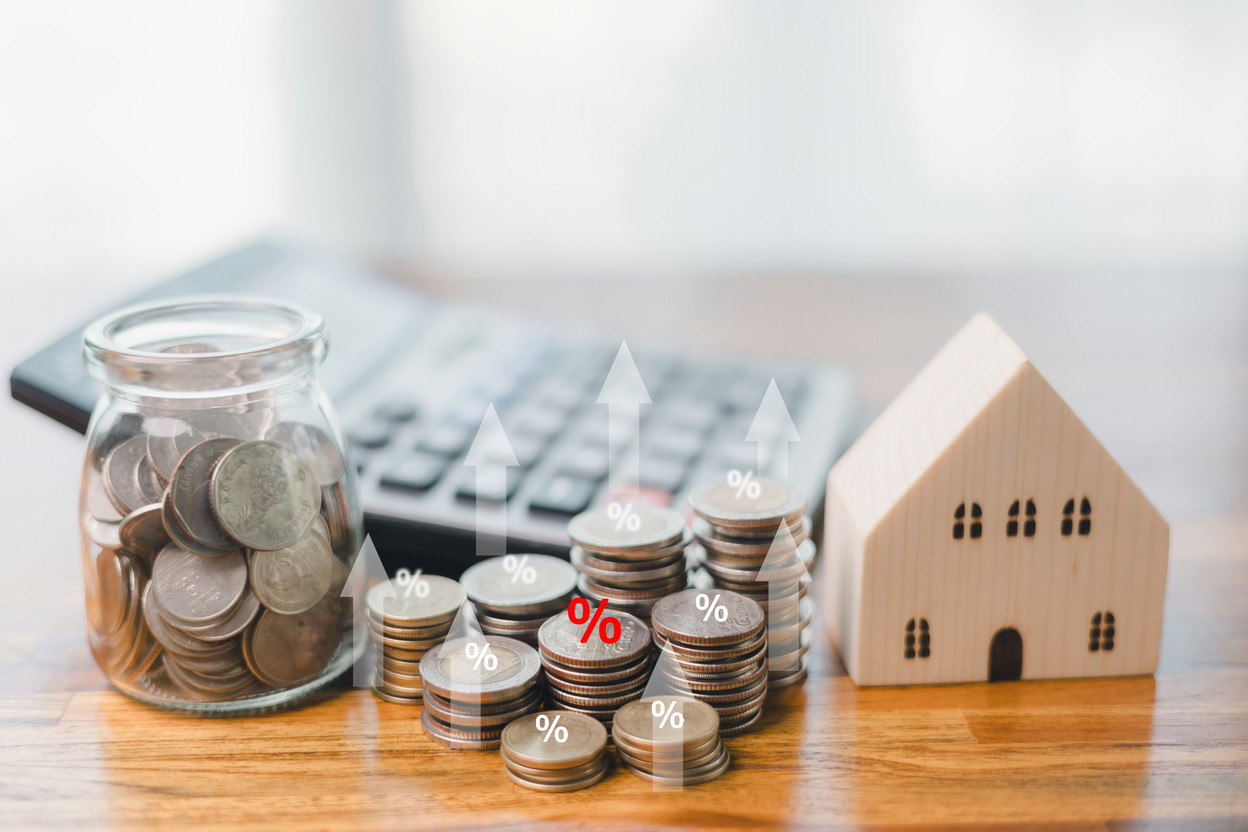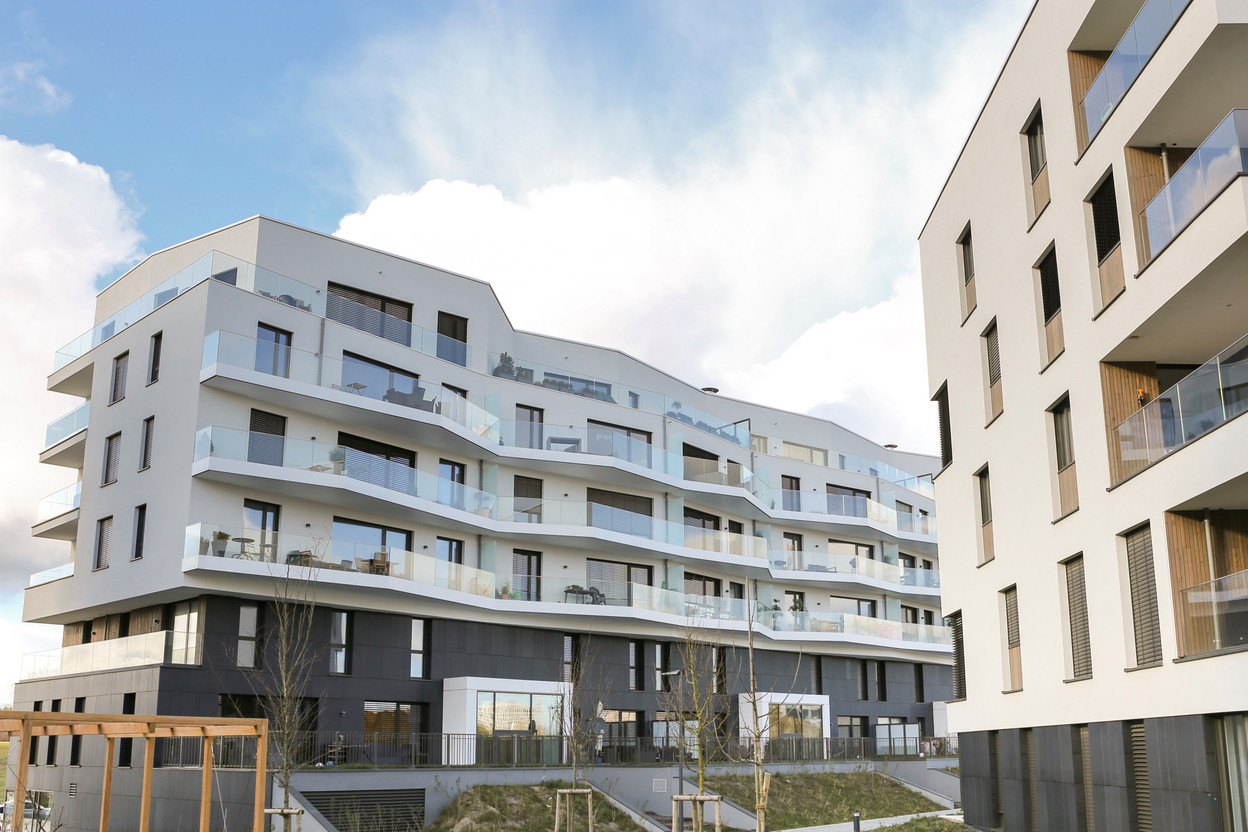
The housing market in grand duchy is showing signs of recovery, with steady apartment prices and an increase in transactions; however, potential pitfalls loom. Before addressing the drawbacks, let’s acknowledge that the current mood in the housing market has significantly improved.
In the residential housing market, which includes both houses and apartments, prices decreased by more than 14% in the first half of 2024 compared to 2022. However, prices are now stabilising, especially for apartments.
Apartment prices
Data released by the national statistics bureau, Statec, revealed that average apartment prices fluctuated narrowly between €603,000 and €606,000 from Q4 2023 to Q2 2024.
More precisely, existing apartments, with an average size of 80 square metres, were sold for just under the €600,000 mark. In contrast, apartments that were either under construction or planned for future construction commanded higher prices, averaging between €720,000 and €733,000 over the same three-quarter period. However, independent houses experienced a decline in prices, with transaction values remaining nearly 10% lower than a year ago. Statec did not disclose specific values for house transactions, making it difficult to fully assess this segment.
Transactions
In terms of transaction volumes, Q2 2024 saw over 1,000 apartments change hands, marking the first time since 2023 that such numbers were recorded, which is a positive indicator for market recovery.
This uptick also benefited banks, which extended €553m in housing loans for apartments and an additional €698m for freestanding houses during Q2 2024, according to data from the Luxembourg Central Bank (BCL). This lending activity resulted in the loan-to-value ratio exceeding 80% for the first time since 2021, with the exception of Q1 2023. This trend may indicate that banks and credit institutions are becoming more aggressive in their loan approvals, possibly anticipating a decrease in mortgage rates in the near to medium term.
Ideally, a decline in interest rates for home purchases should alleviate some of the financial pressure on households. In 2023, households increasingly faced financial strain, with the loan-service-to-income ratio climbing to 36%, compared to just 29% in 2019. In other words, households with mortgages on average spent 36% of their monthly income on loan repayments, 7 percentage points higher than four years ago.
What can go wrong?
Despite these positive developments, there are factors that could still disrupt the housing market recovery. First, Statec has projected that unemployment rates will remain elevated until 2026, while growth in salaried employment continues to slow down. This could lead households to postpone significant purchases, such as homes, if their net income outlook deteriorates.
Secondly, some of the financial and tax incentives for home purchases are set to expire at the end of 2024. Without these economic incentives, potential homebuyers may delay their purchases in anticipation of further declines in interest rates in early 2025 or in hopes of seeing prices drop further.
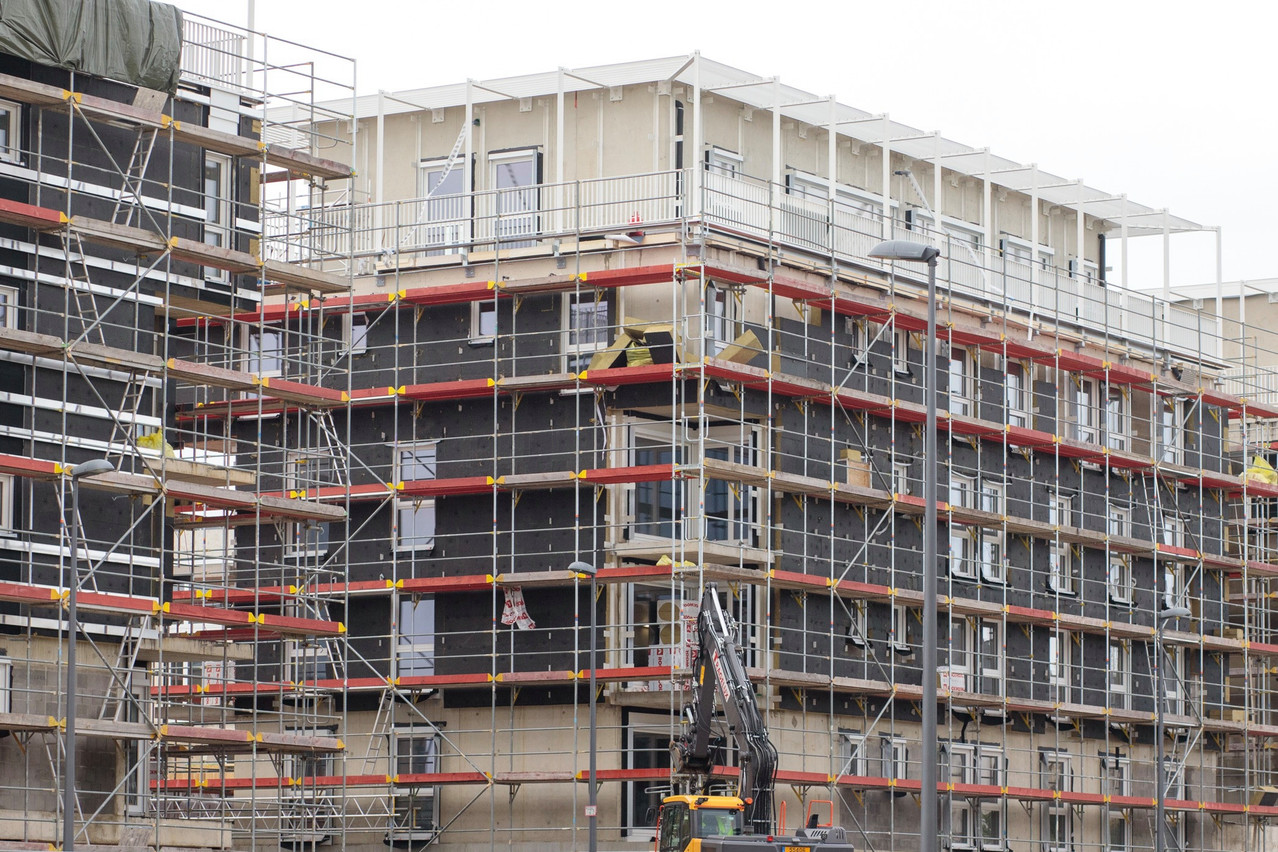
Finally, only 262 building permits were issued in Q2 2024, marking the lowest quarterly number since records began in 2010. This suggests that developers are either hesitant to pursue new projects due to price and margin pressures or that there are insufficient buyers at current price levels.
This reluctance is further evidenced by real estate developers taking out bank loans at historically low levels. In Q2 2024, developers secured only €77m in loans, which is 72% lower than the €277m quarterly average in 2022 and 65% lower than the €223m average in 2022. In Q1 2024, developers only obtained €92m.
The combination of the low number of building permits and diminished promoter loans for real estate projects could lead to a tighter housing market in 2025, which may drive up existing apartment and house prices as well. This could also suggest that the positive effects of lower interest rates may not translate into a larger number of transactions.
One can anticipate that once again, targeted government stimulus may be necessary to foster a more robust housing market and ensure that recovery efforts do not stall.