Less is more
Cameras that weigh 6 kg for the lightest, lights that have to be set up well in advance and control rooms staffed by different technicians with very specific tasks. All connected by metres of cable. This is what many audiovisual productions still look like. A picture reminiscent of the golden age of television.
But is it really useful? After all, anyone can now use their phone to create videos that are perfectly respectable, even worthy of Hollywood films. Like a Californian brand that likes to boast that it shoots its advertising spots with smartphones... So why gamble on complex and expensive productions?
Controlled designation of origin
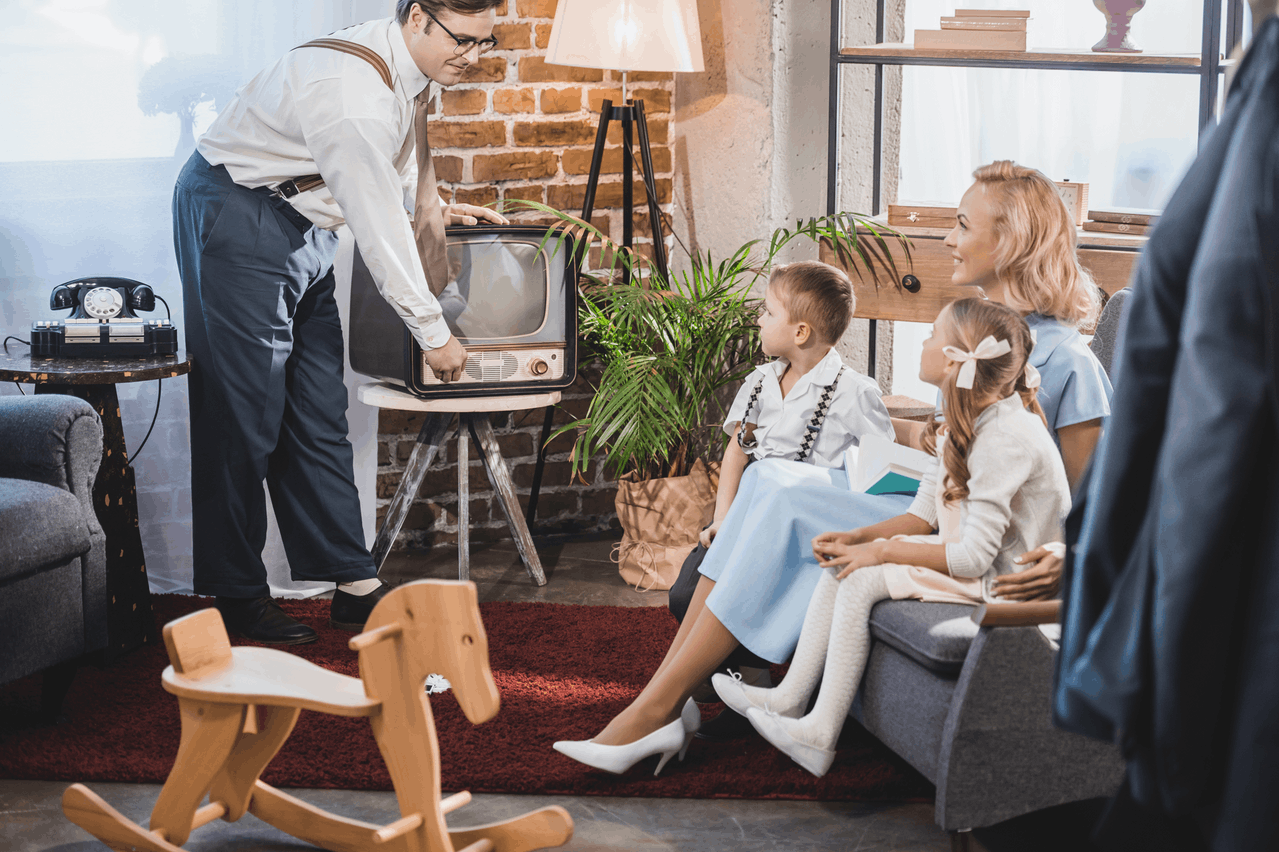
While audiovisual production methods continue to develop, it is above all consumption patterns that have changed markedly. Gone are the days of linear consumption punctuated by the television news followed by the soap opera that we watched as a family, with the commercial breaks marking the moment when we sent the children off to bed. Today, we consume content at home, on the bus, on the big screen or on our phones. Everywhere, all the time is the new credo of audiovisual consumption.
What hasn't changed, however, is the public's demand for quality. With the advent of 4k and even 8k, audiences are demanding ever sharper images, ever more spectacular shots and therefore ever more incredible works of art. Except that, to create this kind of content, you need equipment and teams who know how to use it. The same goes for the famous "shoot on a smartphone" advert. Because even if the phone acted as a camera, we mustn't forget the lighting, editing, acting, copywriting and other technical and artistic departments that contributed to the production of the spot in question. Because in the end, 'making TV' is above all an approach and a guarantee of quality. It's the assurance of working with craftsmen of the image who have mastered their art to perfection.
Smoke screen?
The aim, then, is not to determine what is best, but rather to consider the different approaches to audiovisual production as solutions adapted to very specific situations. While one campaign may indeed make do with a smartphone, another project will require a team of image craftsmen. So it shouldn't just be a question of budget, but of need and intention. It's not just the customers who need to be aware of this, but also, and above all, the professionals in the sector. A first step would be, for example, not to sell major productions as simple films made over the telephone, or to explain to customers that certain projects require a certain number of technical and, in particular, human resources to live up to their expectations. The aim is always the same: to produce formats that touch, animate and inspire. In the end, if we've somehow stopped watching TV, we'll probably never have finished making it.
For more information, visit the Freelens TV website.