The resumption of traffic after a summer of construction works on the Lorraine corridor as far as Luxembourg came at almost the same time as the UFC Que Choisir report on the quality of TER service. In it, the French consumer protection organisation points to “a persistent lack of reliability on TER trains.” When asked to respond, the SNCF referred us to the transport organising authority: the Grand Est region. Thibaud Philipps, vice-president in charge of transport and sustainable mobility and mayor of a commune in Bas-Rhin (Alsace), answers the questions that cross-border commuters are angry about.
What is your reaction to the study published by UFC que choisir?
Thibaud Philipps: We think that there are a number of biases in this study, particularly with regard to the fact that we are very proactive in the Grand Est region. Since the creation of the region in 2016, we have increased rail services on the various lines by 26%. We are aware that the network is tired. It has been under-invested in for the last thirty years because the French state has tended to fund high-speed lines rather than lines serving the region. In response, we regularly carry out works that result in a lot of train cancellations. In fact, this was one of the elements that was highlighted in the study, when it was said that the Grand Est region was very concerned by these deprogrammings. They are often due to work to upgrade the network. But in general, they are replaced by coaches and are announced before 4pm the day before. After that, they are considered to be cancellations. It’s true that cancellations a few minutes before a train’s departure are annoying for users. But on a single day in the Grand Est region, there are just over 1,880 trains running every day. So we’re making an effort, and we’re determined to do so.
What is the current capacity of the Sillon Lorrain line?
We currently have 9,000 seats in each direction during the three morning rush hours. Some peak-hour trains have occupancy rates in excess of 100%. And we have 23,500 daily users on the line. A counting campaign is underway to update the figures.
For the Nancy-Metz-Luxembourg route, the report indicates that the result is linked to the cross-border nature of the line. But this does not explain everything.
Yes, of course. But it does explain that on the Lorraine corridor, we have a very special situation with a large influx of cross-border commuters that we don’t see on other lines. Today, it really is the most saturated line in the region, and it also has specific timetables and commuter traffic. The complexity is also that it requires discussions and agreements between France and Luxembourg to achieve results.
Who does what between the region and SNCF?
We are the transport organising authority. We order the TER trains from SNCF, who tell us if it’s technically possible. We pay for a service that consists of putting trains into circulation and providing the entire passenger service, plus equipment maintenance. We are a contracting authority. We decide on a transport plan that we order from SNCF. We recently signed a new contract for 2024-2033, in which we increased the penalties that could be applied tenfold, from €2m to €20m. When the SNCF deprogrammes a train or runs a single train instead of a double, there is a penalty. Just like everything else that is not respected in the order we have placed.
How do you decide on the timing of trains, since you are the one who orders the transport plans?
By trying to do as much as we can on the network with the available equipment. But the objective, with the Franco-Luxembourg protocol that was signed at the time, was that in the next few years we would have ten services to Luxembourg, eight of which would be TER (plus a TGV and a freight train). That’s the target service we’re working towards. It’s the maximum that the network can accept, bearing in mind the major constraint we face: infrastructure safety rules.
When will the triple-unit trains be running?
It is with the trains purchased from the Normandy region that we will be able to run triple-unit trains, and thus increase the overall capacity from 9,000 seats per hour to just over 11,000 seats per hour, which will already be a step forward.
When will these new trainsets finally be put into service?
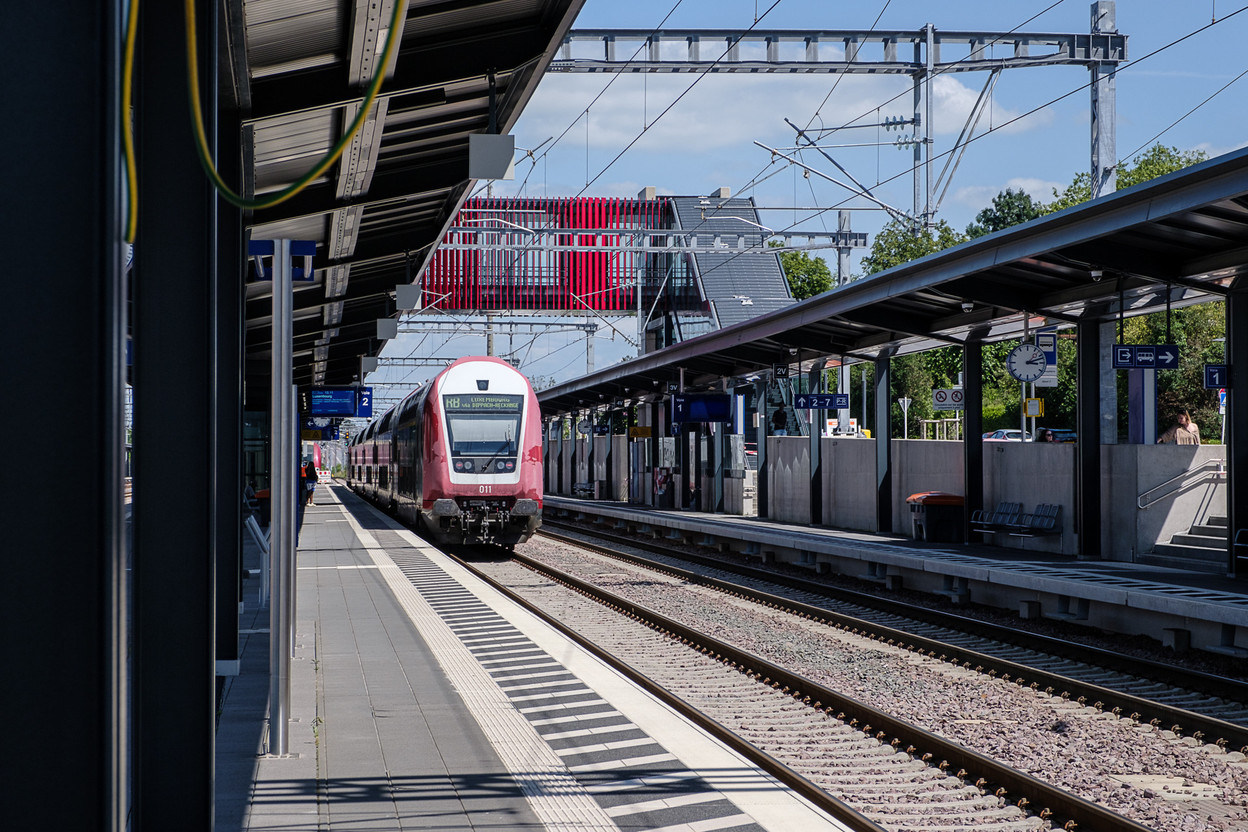
The 16 double-decker TER trains will be arriving in 2025 and will provide more capacity. They are due to be fitted with what is known as ERTMS [European Rail Traffic Management System, made up of interoperable systems]. This is what allows us to cross the border and travel on both sides. That’s how we’ll be able to achieve maximum capacity on this line, by running triple units in parallel. This should enable us to increase to 11,000 passengers with the implementation of triple trains in 2025, and when we have these eight trains per hour, we should reach 22,000 seats. That would double our capacity.
These were announced five years ago as being due to come into service between 2021 and 2024. Why is it taking so long?
Because we also need to build a new maintenance workshop at Montigny-lès-Metz to service these trains. Buying new equipment often has other implications, particularly in terms of maintenance. The work is also scheduled for completion in 2025. This is an example of Franco-Luxembourg cooperation, with Luxembourg making a financial contribution. All this will come to fruition.
Why, unlike other regions, do users in the Grand Est not receive compensation for cancellations or delays?
Historically, the regions have been free to set their own train fares. In the agreements signed with the SNCF, it was not decided to introduce a passenger guarantee mechanism that would allow automatic, flat-rate or percentage reimbursement depending on the delay or impact. But we are now working on this. We want to add a rider to the contract we have signed with the SNCF for the period 2024-2033 so that we can implement this passenger guarantee. We are in the process of studying the thresholds and procedures that could be applied. This should be voted on and adopted by the regional council so that it can be implemented as soon as possible. In any case, it’s in the pipeline.
How is the metropolitan regional express service?
The last steering committee meeting was held on 27 August in Metz. We worked on the map that will provide the perimeter. Between now and the end of the year, we need to continue discussions with our partners to work out what we want in terms of transport, a financing plan and governance.
What would be a realistic timeframe for its implementation?
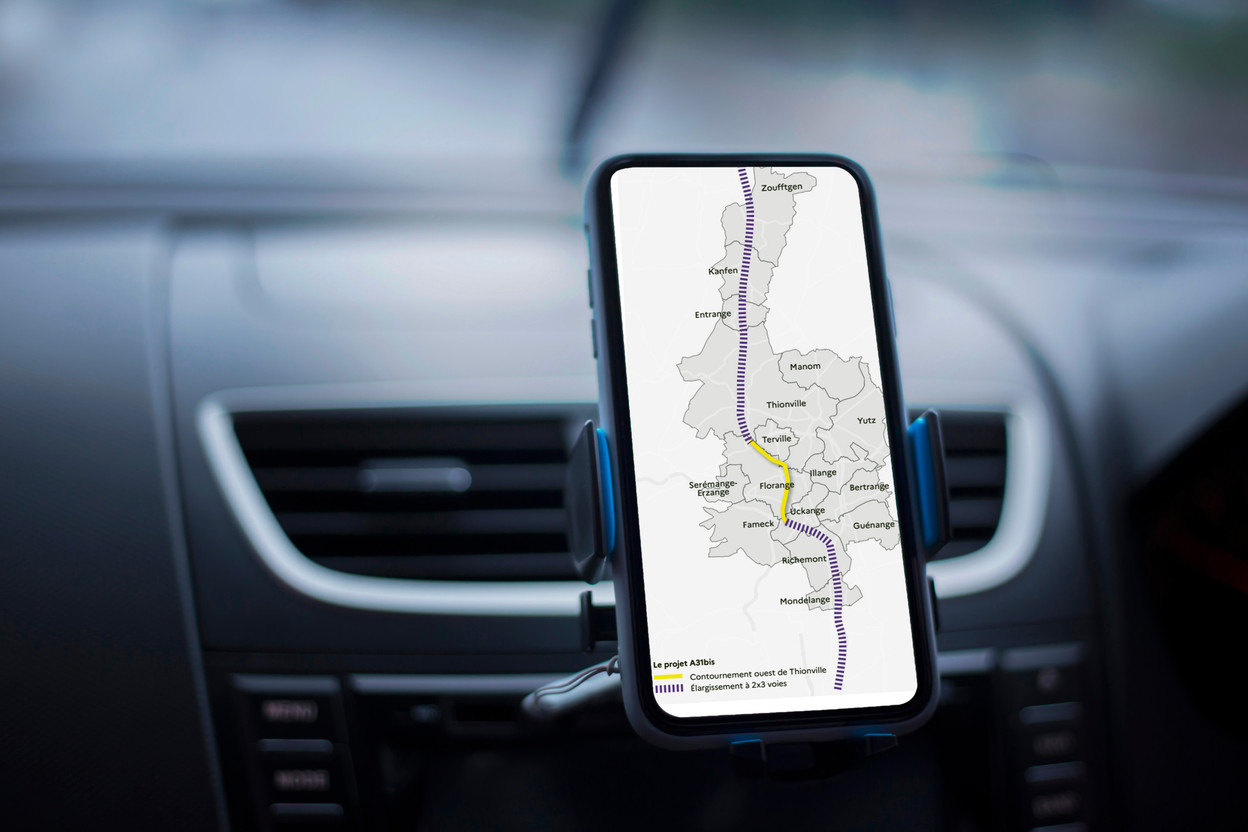
We should have our Serm [Services express régionaux métropolitains, or metropolitan regional express services] status validated by the government by the end of the year or early in 2025. As soon as we have the status, we’ll be able to set up a governance structure and start the various projects straight away. It’s a territory-wide mobility project that will involve short-term elements, more medium-term things, and then longer-term projects, particularly on the railways, because that requires a lot of infrastructure. The process has started, and it’s not going to stop. The train will remain the backbone, but Serm will also rely on coach and express coach services, which could see the light of day thanks to the creation of dedicated lanes on the hard shoulder of the A31.
While waiting for these difficult-to-define deadlines, aren’t there ways of strengthening or supplementing the current service?
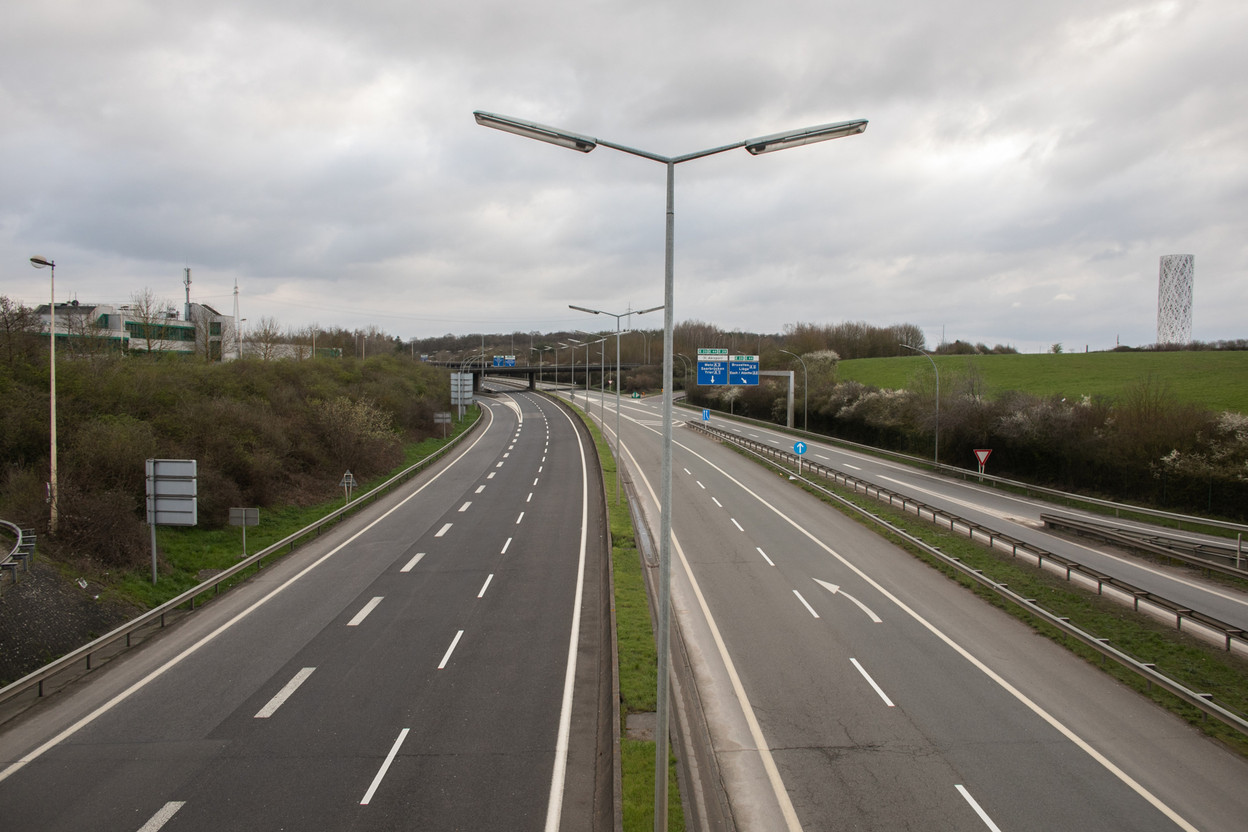
From 1 January 2025, the Grand Est region will take over management of the A31. It will no longer be the state that manages it, but us. As part of the project to improve motorway infrastructure, the idea is to be able to set up these express lanes for coaches, precisely to be able to create express coach lines. This makes it possible to improve services more quickly, which is not the case with rail. But it is essential to have dedicated lanes. A study has been launched.
But these deadlines are always too long for cross-border commuters, who have to deal with problems on an almost daily basis...
Yes, we understand that. And we have just commissioned an independent audit of the Sillon-Lorrain line so that railway experts other than the SNCF can give us a vision of what is not working; what is making things complex; what are the causes of the recurring incidents; and so that we can deduce an action plan, in particular with short-term actions, to improve reliability, because in fact that is the real concern. We’ll have answers by the end of the year. We want this to happen quickly. This may make it possible to find small solutions in the short term.
This article was originally published in French.