Luxembourg’s annual inflation rate accelerated to 2.4% in March 2026, up from 1.3% in February, after a sharp rise in energy prices reversed the disinflationary trend seen at the start of the year.
Statec, the national statistics bureau, stated on 8 April that the jump was driven by an “explosion” in energy prices in recent weeks. The energy aggregate rose 12.2% month on month in March, while its annual rate swung to 6.1%, from -7.7% in February.
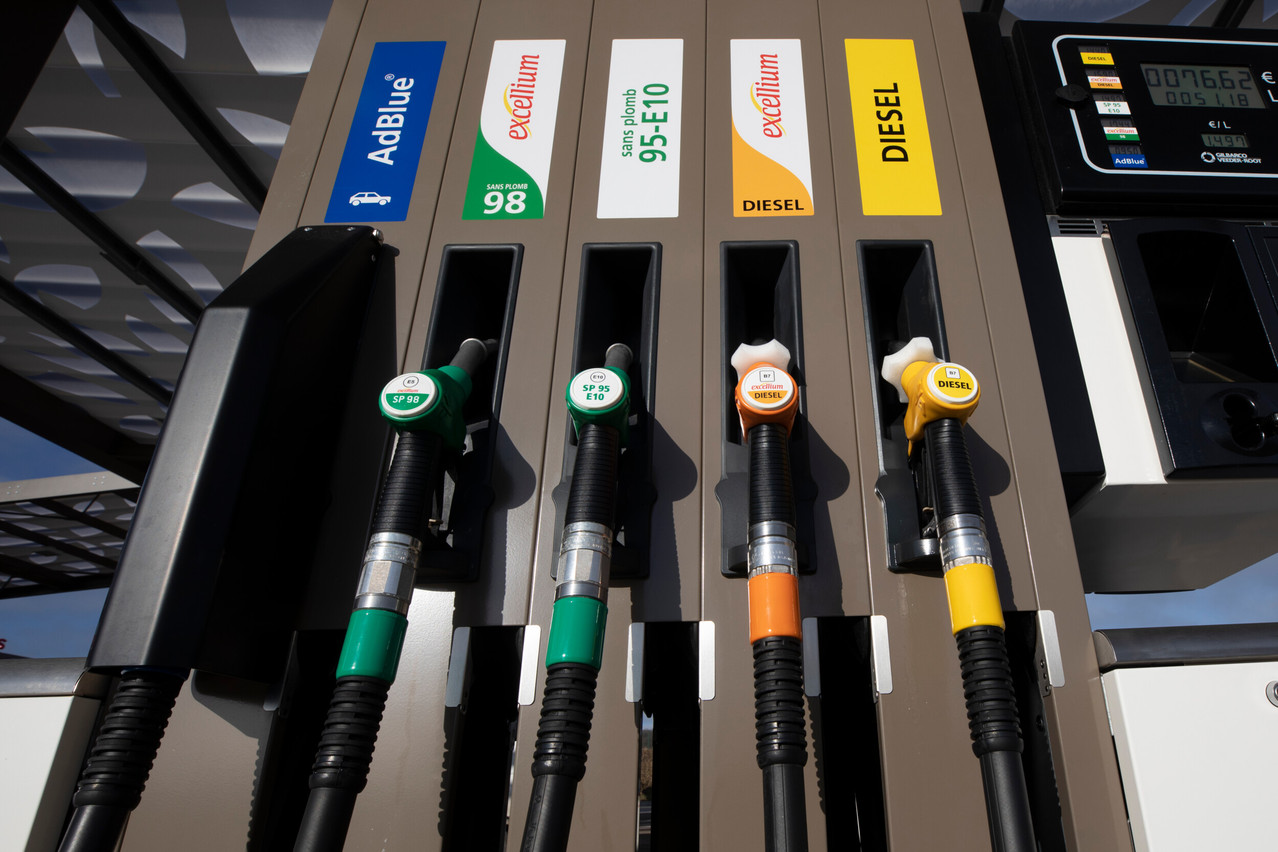
The sharpest increase came from heating oil, which climbed 37.3% from February and 33.2% from a year earlier. Fuel prices also rebounded strongly, rising 15.6% in a single month, which Statec described as the largest monthly increase ever recorded in the IPCN, Luxembourg’s national consumer price index. By comparison, the previous peak had been 11.8% in March 2022.
At the pump, the price per litre of diesel rose 22.2% in one month, while petrol increased 10.7%. By contrast, gas and electricity prices were stable in March.
The March figures suggest that Luxembourg’s inflation outlook has become far more sensitive to geopolitical shocks than appeared likely only weeks ago. Statec linked the rise in energy prices to the closure of the Strait of Hormuz, a key shipping route for global oil supplies.
That shift is significant because Statec had forecast in February that inflation would average 1.8% in both 2026 and 2027, on the assumption that lower electricity, oil and gas prices would continue to keep petroleum product inflation subdued.
Instead, March delivered an abrupt reversal. The annual non-energy index edged up from 2.0% to 2.1%, showing that underlying price pressures also remained present, even if the main shock came from fuel and heating costs.
Food and services remain firm
Beyond energy, food and services continued to exert upward pressure on prices.
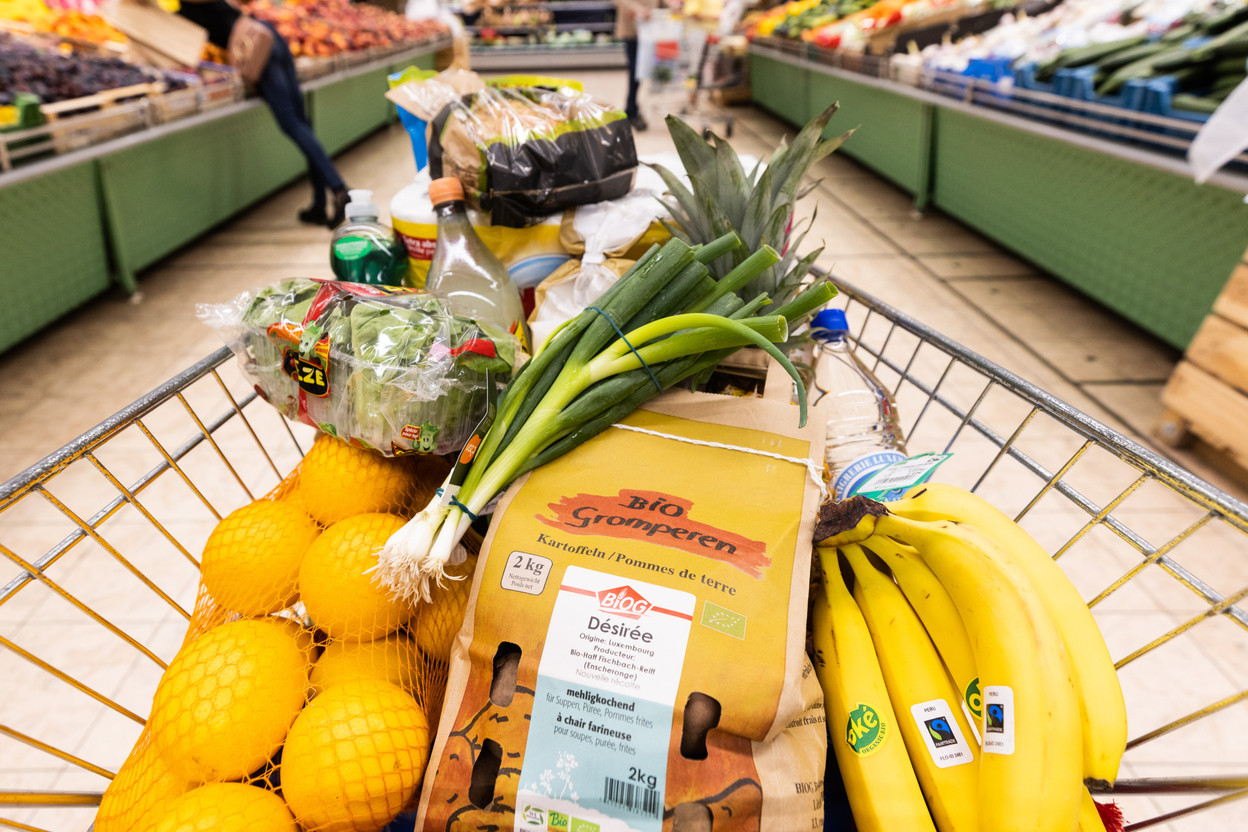
Food prices, including alcohol and tobacco, rose 2.7% year on year. Among the most notable increases were fresh meat, up 5.6%, vegetables, up 3.6%, and coffee, up 11.5%. By contrast, vegetable oil prices fell 4.7% and pasta declined 3.1% from a year earlier.
On a monthly basis, food prices rose only 0.2%, while alcoholic beverages fell 1.6%, reflecting promotions on wine at -2.0%, spirits and liqueurs at -1.4% and beer at -1.0%. Over the year, alcoholic beverages were down 0.7%.
The services component rose 2.5% year on year, up from 2.2% in February. Statec attributed the strengthening mainly to higher prices for package holidays and for nurseries and relay houses. Bank charges also stood out, rising 8.0% over a year and 6.7% over a month. Promotions on bundled telecommunications services, however, weighed on the aggregate.
Non-energy industrial goods posted the weakest annual increase, at 1.0%. Within that category, jewellery and watches rose 8.5% over a year, while household cleaning products increased 5.3%. Furniture, however, was discounted in March, with prices falling 1.4% over the month.
Indexation moves closer
The March increase also brought Luxembourg closer to the next automatic wage indexation.
Statec said the general index for March, with 2025 = 100, stood at 101.39 points. The six-month average of the index linked to the 1 January 1948 base rose from 1034.45 to 1035.12 points. The next wage indexation will be triggered when the index reaches 1038.79.
Statec stated that the next indexation remains expected in the second quarter of 2026. That is in line with the institute’s February forecast, which had already brought forward the likely timing of the next tranche from the summer to the second quarter.
The results for the April 2026 index will be published on 6 May 2026, after the monthly meeting of the Index Commission, while a first estimate of annual inflation is due on 30 April 2026.